Outdoor Exploration
Exterior Drive-By
View the massive 22,000-square-foot mansion from the street. The estate's scale and Depression-era history are visible from the public road; the property is privately held.
- Duration:
- 15 min
HauntBound archive · catalog record
Reported phenomena, as catalogued
A 22,000-square-foot Greenville estate built between the wars, where the Depression-era ruin of its builder left a story the house has not finished telling.
106 Dupont Dr, Greenville, SC 29607
Research updated September 2026
Age
All Ages
Cost
Free
Private property; exterior drive-by only. Interior access not publicly available.
Access
Accessibility not stated
Residential street exterior only; no public grounds access
Equipment
Photos OK
Est. 1919 · 22,000-square-foot estate constructed 1919–1924 · Built by stockbroker Walter Gassaway during pre-Depression prosperity · Stock market crash of 1929 ruined Gassaway financially · Historical marker documenting the property on site
The Gassaway Mansion stands in a residential section of Greenville as an artifact of what Upstate South Carolina looked like at the peak of the textile and finance booms of the early twentieth century. Walter Gassaway, a stockbroker who had accumulated significant capital during the prosperity of the 1910s and 1920s, began construction on the 22,000-square-foot estate in 1919. The project took five years to complete, finishing in 1924.
The timing proved catastrophic. Five years after completion, the 1929 stock market crash began dismantling the fortunes of men like Gassaway across the country. The Depression years that followed ground his financial position down to ruin. According to accounts documented by Greenville360, Gassaway died on the front lawn of the mansion during the Depression years. An historical marker documents the property's history, placing his story within the documented record of the estate.
The mansion changed hands over the subsequent decades and has at various points been used for different purposes. Its sheer size — 22,000 square feet in a residential neighborhood — sets it apart physically and historically from the surrounding context. The property is privately held, limiting visitor access to the exterior.
Sources
The ghost of Walter Gassaway is the center of the Gassaway Mansion's paranormal reputation. Witnesses have reported his apparition on the grounds — a figure associated with the front lawn where he died — as well as appearances in the upper-level windows of the mansion. Flickering lights are among the more frequently described phenomena, reported by people who have observed the exterior from the street.
The story fits a particular American Depression-era archetype: the man who built something extraordinary, lost everything the market could take, and remains tethered to the place he could not keep. Greenville360 and Only In Your State both document the apparition accounts, and the historical marker on the property provides an independent anchor for the factual elements of his biography. What Gassaway experienced in those final years, standing on the lawn of a house he had completed for a future that never arrived, is the kind of story the building seems unwilling to stop telling.
Notable Entities
View the massive 22,000-square-foot mansion from the street. The estate's scale and Depression-era history are visible from the public road; the property is privately held.
Some links on this page may earn HauntBound a small commission when you book, at no extra cost to you. Our editorial picks are independent. Full disclosure
Every HauntBound history is researched from documented sources. We clearly separate verified historical fact from paranormal folklore.
Free Guide
Verified stops across all fifty states, rated for families. Free.
One email to confirm, then the guide link. Unsubscribe anytime.
Spartanburg, SC
Anthony Foster began building this tavern in 1801, and it is believed to be the oldest brick house in Spartanburg County. Listed on the National Register of Historic Places in 1970, the building hosted notable travelers on the post road through Upstate South Carolina, including senator and statesman John C. Calhoun and Methodist bishop Francis Asbury.
Union, SC
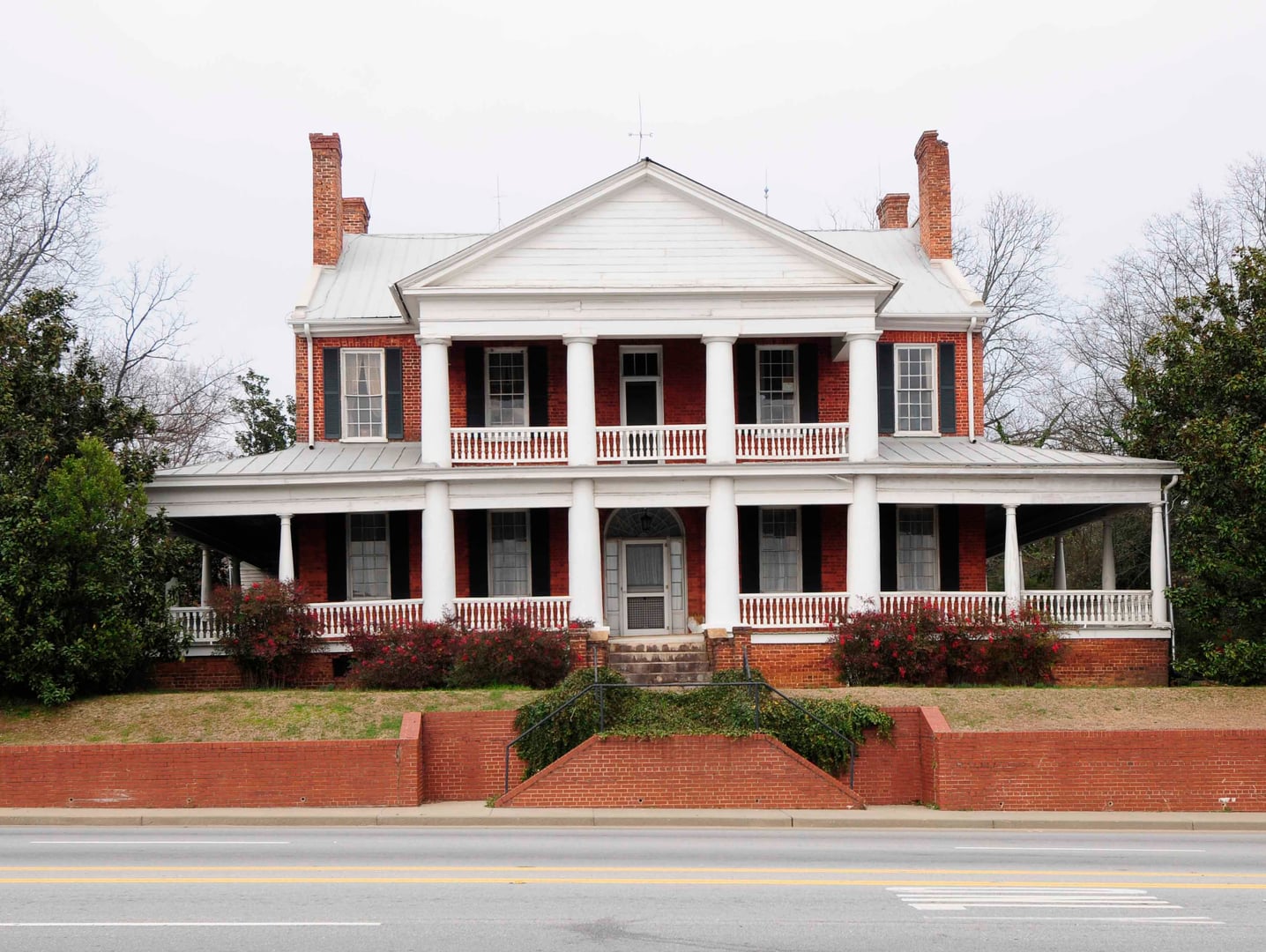
Built around 1828, Juxa Plantation was home to Jehu Gregory and his family. The property includes an on-site family cemetery where Gregory and his wife are interred. The plantation survived the Civil War era and has passed through multiple owners.
Charleston, SC
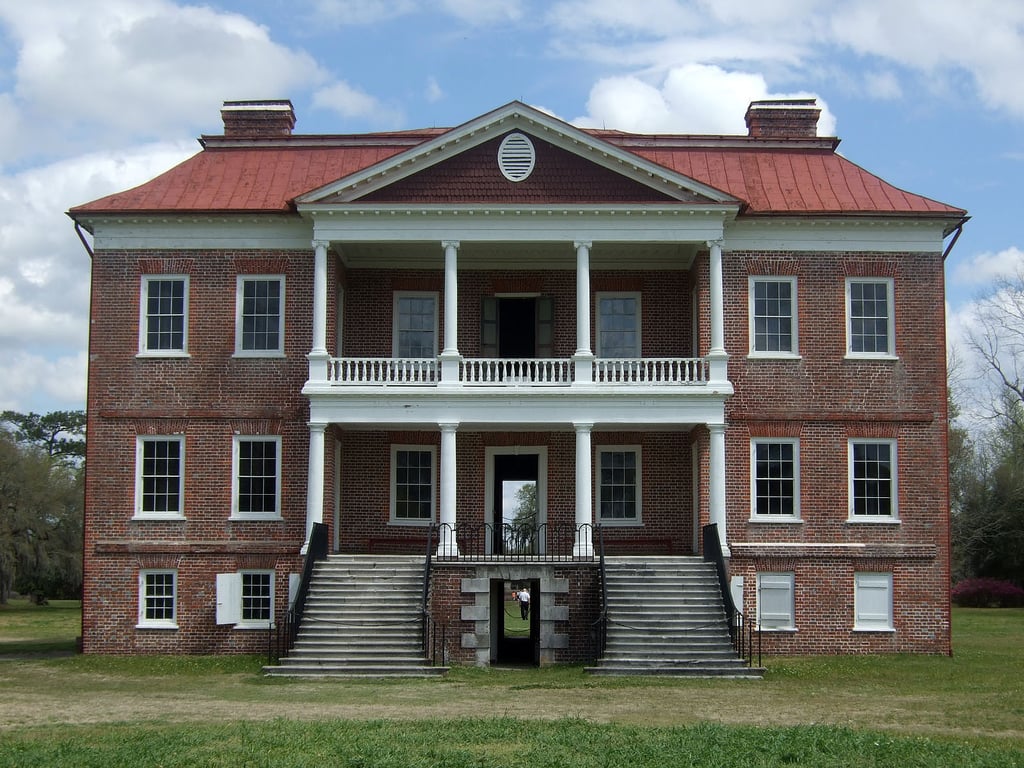
Drayton Hall is an unrestored Palladian plantation house on the Ashley River outside Charleston, South Carolina, built beginning in 1738 by John Drayton Sr. It is the only Ashley River plantation house to survive intact through both the Revolutionary and Civil Wars and is preserved by the National Trust for Historic Preservation.