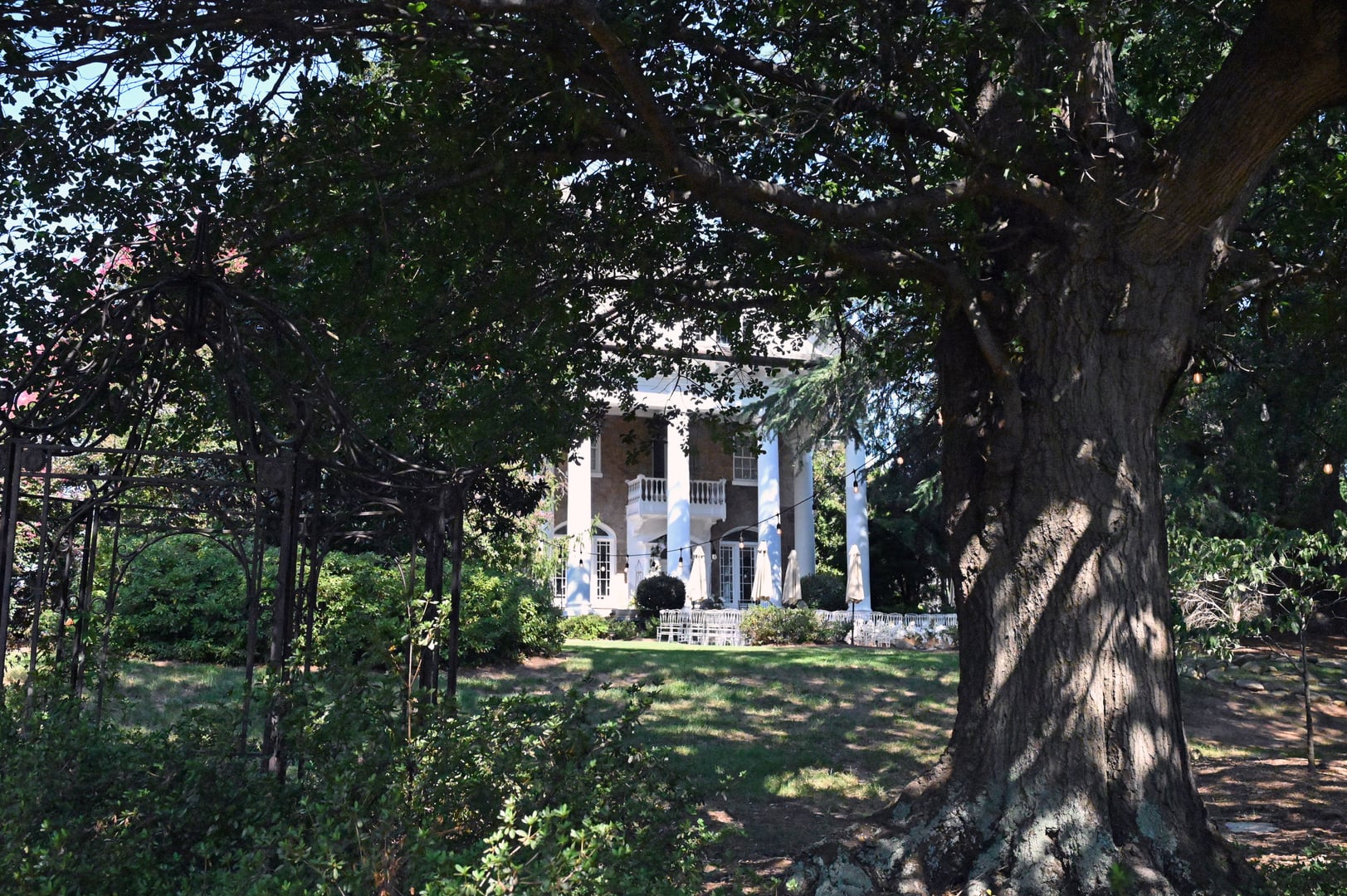
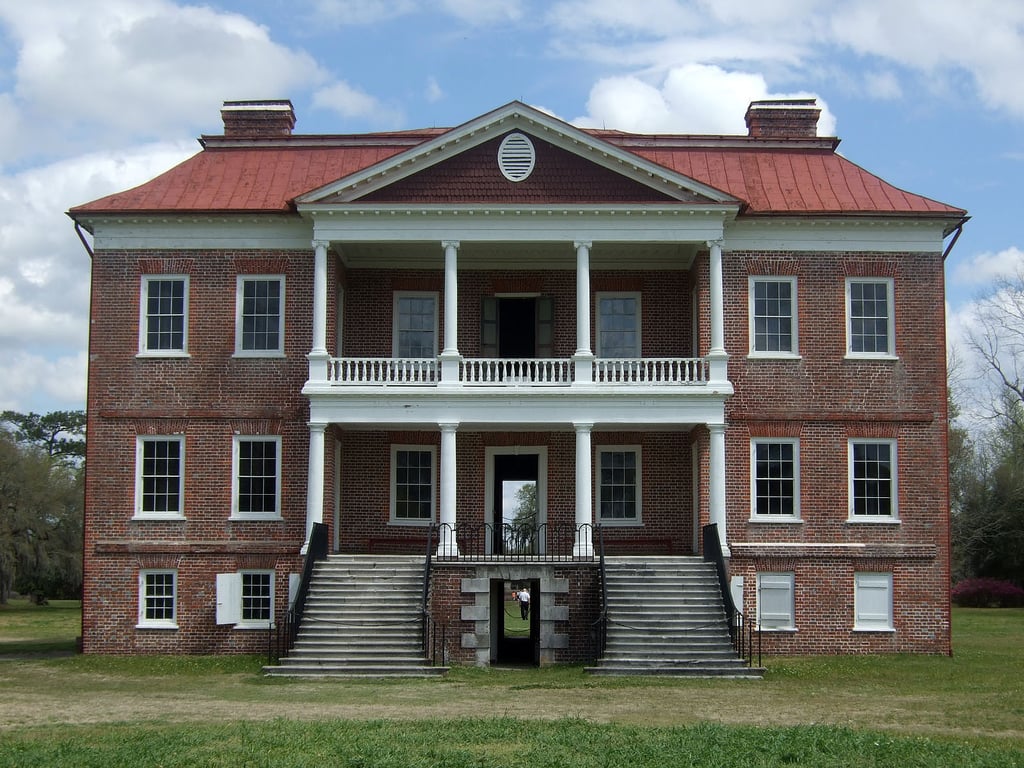
Est. 1801 · Believed to be the oldest brick building in Spartanburg County · Listed on the National Register of Historic Places, 1970 · Built by Anthony Foster beginning 1801 · Visited by John C. Calhoun and Bishop Francis Asbury
Anthony Foster constructed his tavern at what is now 1 Montgomery Avenue beginning in 1801, making it one of the earliest surviving brick structures in the Spartanburg County area — a region where frame construction was more common in the Federal period. The National Register of Historic Places listed the property in 1970, recognizing its architectural significance as a rare brick tavern from the earliest decades of American settlement in the Carolina Piedmont.
The tavern stood on a post road that carried travelers between the Carolina backcountry and the coast, and its guest registers — metaphorically speaking — included figures of regional and national prominence. John C. Calhoun, the South Carolina senator and vice president who became a leading theorist of states' rights, visited the tavern on his travels. Bishop Francis Asbury, the English-born Methodist minister who became one of the most widely traveled clergymen in early American history, also stopped here during his circuit-riding journeys through the South.
The building passed through multiple owners after Foster's era and has been used for various purposes in the intervening two centuries. Its architecture, relatively intact in its exterior massing, remains a tangible link to early-nineteenth-century tavern culture in the Carolina Piedmont. The property's current use and interior access status are not confirmed in publicly available sources.
Sources
- https://en.wikipedia.org/wiki/Foster%27s_Tavern
- https://www.southcarolinahauntedhouses.com/real-haunt/fosters-tavern.html
- Tally Johnson, 'Ghosts of the South Carolina Upcountry' (Arcadia Publishing, 2005) — librarian/folklorist original research drawing on historic records, newspapers, and interviews; documents Foster's Tavern traveler legend and hoofbeat/footstep phenomena
Hoofbeats on the roofUnexplained footsteps on the stairsVoices with no visible source
The ghost story at Foster's Tavern is built around an unnamed traveler who, according to local tradition, took his own life by hanging in one of the rooms. The circumstances and era of this death are not documented in available historical records — the story exists as community lore rather than verified fact. The tavern's age and its history as a rest stop for unknown individuals traveling through would make an undocumented death plausible, if unverifiable.
The traveler's horse, reportedly locked in the stable overnight, vanished without explanation by morning. That detail — the locked stable, the missing horse — has stayed attached to the story across generations, giving it a specificity that distinguishes it from generic hauntings.
The reported phenomena at the site include hoofbeats heard on the roof, footsteps on the interior stairs, and voices audible in rooms where no one is present. These accounts come primarily from regional paranormal sources without independent historical corroboration. The building's documented significance as an early-nineteenth-century tavern provides the historical context within which the legend operates.