Est. 1685 · One of South Carolina's Oldest Presbyterian Congregations · Lowcountry Plantation Family Cemetery · Premature Burial Account — Legare Mausoleum
Edisto Island's Presbyterian congregation traces its founding to 1685, when Scots-Irish settlers established a church on the island. The present church building and its surrounding graveyard hold centuries of lowcountry history, including the remains of plantation families who shaped — and whose wealth depended upon — the enslaved labor of the Edisto Island community.
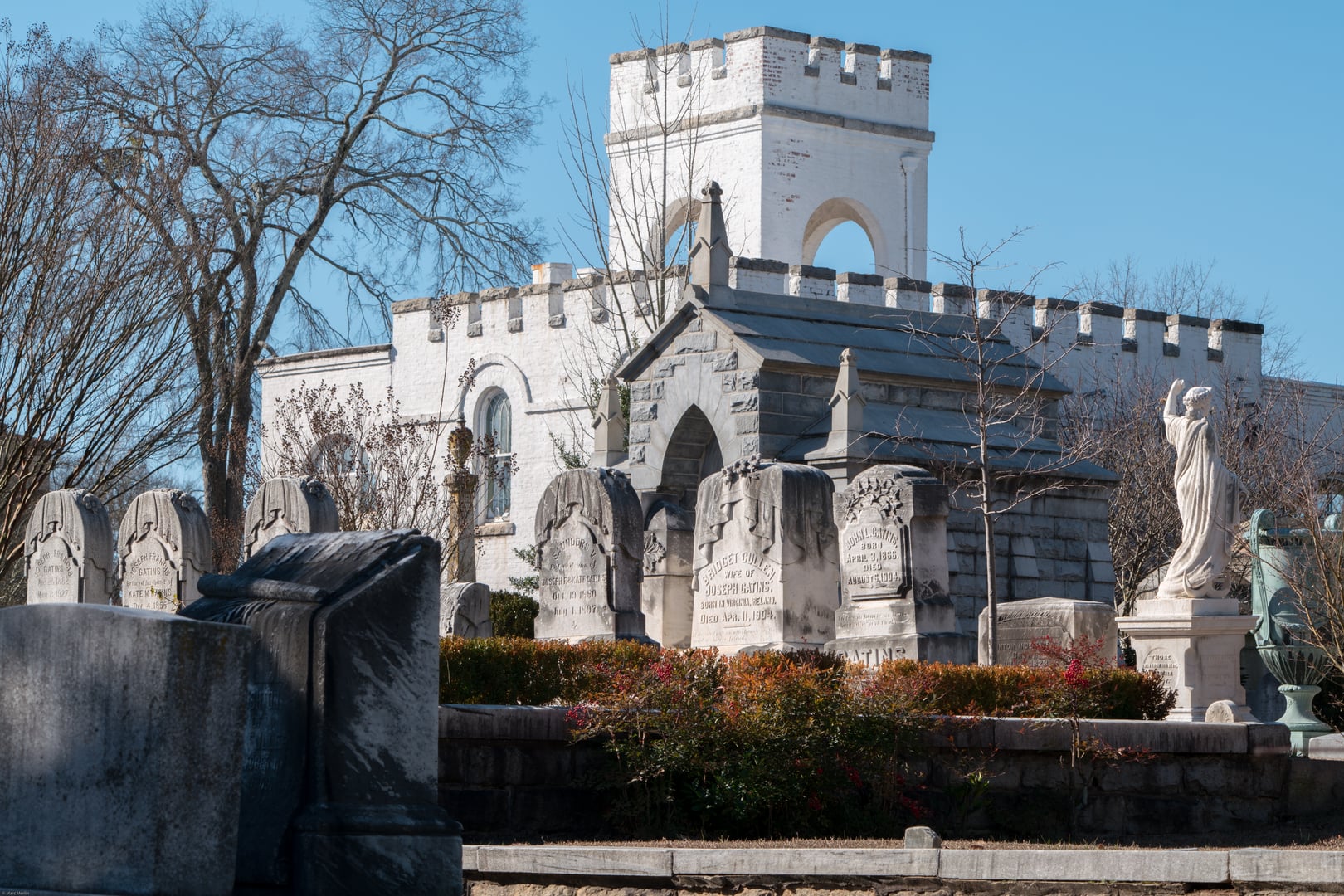
The Legare family mausoleum is the most noted feature of the churchyard. Julia Seabrook Legare died in 1852 and was interred within the sealed mausoleum. When the family returned years later to inter another member, they reportedly found Julia's remains at the mausoleum door rather than in her original resting place. The account, as retold through regional lowcountry tradition, holds that she had regained consciousness after being buried alive and died attempting to escape.
In the years that followed, the mausoleum door was reportedly found open on multiple occasions despite being secured with locks and chains. The family eventually left it permanently ajar. Whether the door's behavior reflected subsidence, iron fatigue, or some other structural explanation, the story became a fixture of lowcountry ghost lore.
The church itself remains an active congregation. The graveyard is generally accessible to visitors interested in the history of the island and its families.
Sources
- https://southcarolinalowcountry.com/lowcountry-ghost-stories-3/
- https://www.postandcourier.com/kingstree/community-news/buried-alive-the-legend-of-julia-legare-haunts-edisto-island/article_a59dea44-60db-4b07-92d7-82a683b2f02c.html
Mausoleum door found repeatedly open despite sealingRemains of interred person found at the door
The Legare Mausoleum account is one of the older premature-burial stories attached to a specific, identifiable site in the South Carolina lowcountry. Julia Seabrook Legare was declared dead in 1852 and placed in the sealed family vault. When the mausoleum was later opened to receive another family member, her remains were found at the door rather than where she had been laid. The most widely repeated interpretation: she had revived after interment and died trying to open the door from the inside.
The family and, later, curious visitors attempted to keep the mausoleum sealed with successively heavier hardware — locks, then chains. Each time, the door was found open again. Whether due to ground movement, thermal expansion of metal fittings in the coastal humidity, or some other cause, the phenomenon persisted until the family abandoned the effort and left the door permanently open.
Premature burial was a documented fear in the nineteenth century, and accounts like Julia Legare's circulated widely in regional publications. The Edisto Island story gains credibility from its attachment to a specific named individual and a still-standing, identifiable structure in an active churchyard.
Notable Entities
Julia Seabrook Legare