Est. 1738 · Palladian Architecture in America · Antebellum Plantation · African American History · National Historic Landmark · National Trust for Historic Preservation
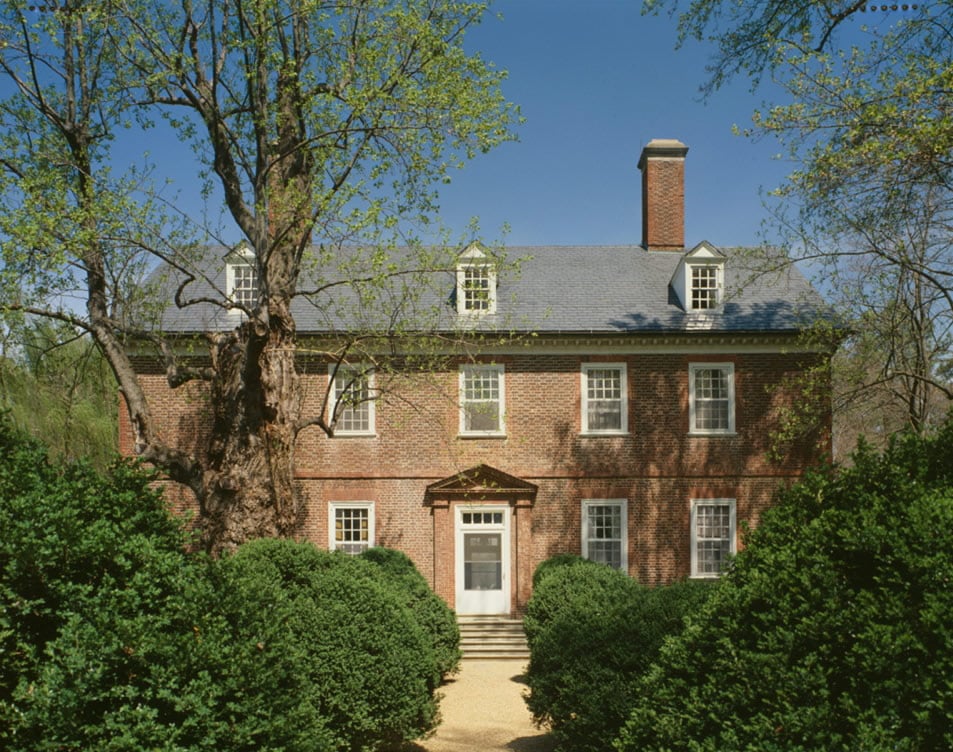
John Drayton Sr. (c.1715-1779) acquired the Ashley River property in 1738 and began construction of the main house that same year. The Palladian villa, with its symmetrical two-story facade and projecting central pavilion, was a deliberate American adaptation of European architectural sources Drayton would have known through pattern books circulating in the colonies. The plantation produced indigo and rice through the colonial and antebellum periods, with enslaved labor providing the labor base. Records indicate approximately seventy-eight enslaved people lived in thirteen cabins on the immediate Drayton Hall property; John Drayton's broader holdings extended to more than one hundred commercial plantations covering an estimated 76,000 acres, with thousands of enslaved people across that wider system.
Drayton Hall is one of the most architecturally significant Palladian structures in North America and the only Ashley River plantation house to survive intact through both the Revolutionary War and the Civil War. The flanking outbuildings have not survived: the laundry was destroyed by the 1886 Charleston earthquake, and the kitchen was destroyed by an 1893 hurricane. Seven generations of Drayton family heirs maintained the main house with notably minimal alteration, declining the late-Victorian and early-twentieth-century restoration impulses that transformed most surviving plantation houses.
The Drayton family sold the property to the National Trust for Historic Preservation in 1974, with the explicit condition that the building be preserved unrestored. This decision makes Drayton Hall an exceptional resource for studying eighteenth-century American building craft, since the original materials and finishes remain visible rather than concealed by later restoration. The National Trust and the on-site Drayton Hall Preservation Trust operate the property today with substantial interpretive emphasis on the African American history of the plantation, the lives of the enslaved community, and the African American cemetery on the grounds.
Sources
- https://draytonhall.org/
- https://en.wikipedia.org/wiki/Drayton_Hall
- https://savingplaces.org/places/drayton-hall
- https://www.scencyclopedia.org/sce/entries/drayton-hall/
ApparitionsPhantom footstepsPhantom voicesCold spots
Drayton Hall's paranormal lore is restrained and is treated by site interpreters as one strand of the property's broader historical character rather than as a marketed attraction. The most-reported activity in the main house involves footsteps along the central hall, the sound of soft conversation in the second-floor rooms when staff are alone in the building, and the impression of company on the central staircase. Visitors occasionally describe figures glimpsed at the second-floor windows from the lawn.
The African American cemetery on the grounds is treated as a place of solemn interpretive focus. Drayton Hall's site presentation prioritizes the named individuals buried there and the labor and lives of the enslaved community over paranormal claims. Regional Charleston ghost-tour operators include the property on plantation tour itineraries; Drayton Hall itself does not produce ghost-tour programming.