Waccamaw Rice Planters · Antebellum South Carolina · National Register Historic Site · Folklore Pilgrimage Site
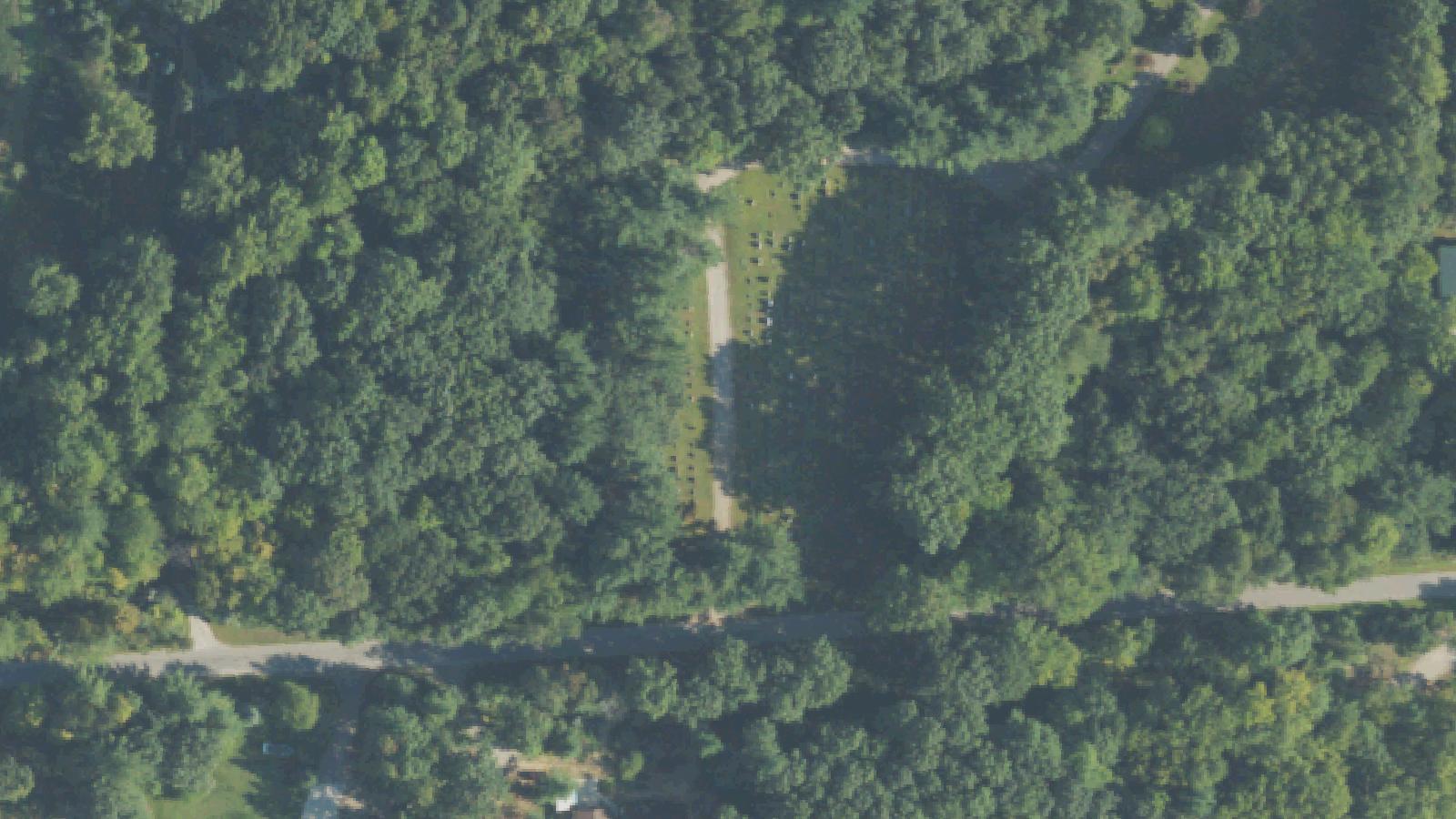
The nonprofit SC Picture Project archive reproduces National Register documentation placing the first congregation in 1739, the cemetery establishment in the 1820s, and the current sanctuary construction in 1916–1917; the church serves the Waccamaw Neck — the narrow strip of land between the Atlantic Ocean and the Waccamaw River where the largest concentration of antebellum rice plantations in North America operated through the early 19th century. The current sanctuary dates to 1916–1917 and is the fourth to serve the congregation, set among live oaks roughly six miles inland from Pawleys Island.
The cemetery contains burials from the Allston, LaBruce, Ward, Flagg, and Pyatt families — the planting elite who controlled the Waccamaw rice economy until emancipation. The Flagg family plot is centrally located and includes the plain marble slab bearing only the name ALICE that has become the cemetery's most-visited feature.
Alice Flagg (1834 to 1849) was the youngest child of Dr. Allard Belin Flagg, a physician and planter. Genealogical and parish records confirm her birth, residence at the family home known as The Hermitage near Murrells Inlet, and death at age fifteen, most likely from malaria. Family correspondence and 19th-century county history place her romantic involvement with a young man of insufficient social standing — likely a lumber-trade clerk — in the year preceding her death. The historical record of the engagement, the hidden ring, and her brother's intervention is drawn from late 19th-century family-memoir accounts and should be regarded as plausible local history rather than primary documentation.
A significant historical caveat: research published in regional newspapers, including the Horry County paper of record, indicates that Alice Flagg's actual burial may not be at All Saints Waccamaw. SC Picture Project, a nonprofit South Carolina landmark archive, reports, citing church records, that the folklore Alice is interred unmarked at Belin Memorial United Methodist Church (formerly Cedar Hill) and that churchyard records show no one interred beneath the commemorative ALICE marker at All Saints. The marker has nonetheless become the operational pilgrimage site for visitors retracing the story.
The parish church is listed on the National Register of Historic Places.
Sources
- https://www.atlasobscura.com/places/alice-flagg-s-grave
- https://www.findagrave.com/memorial/7421/alice-flagg
- https://www.themoonlitroad.com/ghost-alice-flagg-pawleys-island-south-carolina/
- https://www.myhorrynews.com/opinion/the-ghostly-legend-of-alice-flagg-s-grave-has-a-fatal-flaw/article_471ff880-9a56-11ec-8996-bf895bc82b29.html
- https://www.strangecarolinas.com/2016/08/the-ghost-of-alice-flagg-pawleys-island.html
- https://southerncemetery.com/2026/07/28/all-saints-church-waccamaw-cemetery-in-pawleys-island-sc/
ApparitionsPhantom smellsObject movementResidual haunting
The Alice Flagg legend follows a structure documented across Lowcountry folklore collections going back to the early 20th century. Alice, in love with a young man her family considered unsuitable, became engaged secretly and wore his ring on a ribbon around her neck. Her brother Dr. Allard Flagg discovered the ring during her terminal illness and removed it — by some accounts throwing it into the marsh in front of The Hermitage. In her delirium, Alice asked repeatedly for the ring before dying.
The core paranormal reports describe a young woman in a white dress appearing near the marker, particularly at dusk, looking at her own hand as if expecting to see a ring. Visitors have reported the sensation of being followed back to the parking area, the scent of magnolia or rose water where neither flower is in bloom, and rings or coins left on the marker disappearing between visits.
A participatory tradition has developed around the site. Visitors walk thirteen times around the marker — some sources specify counterclockwise — and leave a small offering, often a ring, a flower, or a written note. Parish staff regularly clear these offerings to maintain the cemetery, though they accumulate quickly during October and during prom season, when local students treat the site as a coming-of-age destination.
The Moonlit Road, a curated Southern folklore project, has published the most comprehensive narrative version of the story, drawing on family memoir and regional oral tradition. Atlas Obscura's entry frames the marker as a folklore pilgrimage site whose historical accuracy is secondary to its cultural function.
SC Picture Project, a nonprofit landmark archive, reports, citing church records, that the folklore Alice is interred unmarked at Belin Memorial and that no one lies beneath the All Saints memorial stone. The All Saints marker functions, in this reading, as the operational site of memory regardless of which physical grave contains the historical Alice Flagg.
Notable Entities
Alice Belin Flagg