Est. 1840 · Winter Colony estate documented in Library of Congress Historic American Buildings Survey (HABS) · One of Aiken's most significant surviving antebellum mansion properties · Now houses the Aiken County Historical Museum · Reflects the Winter Colony era that shaped Aiken's 19th-century cultural identity
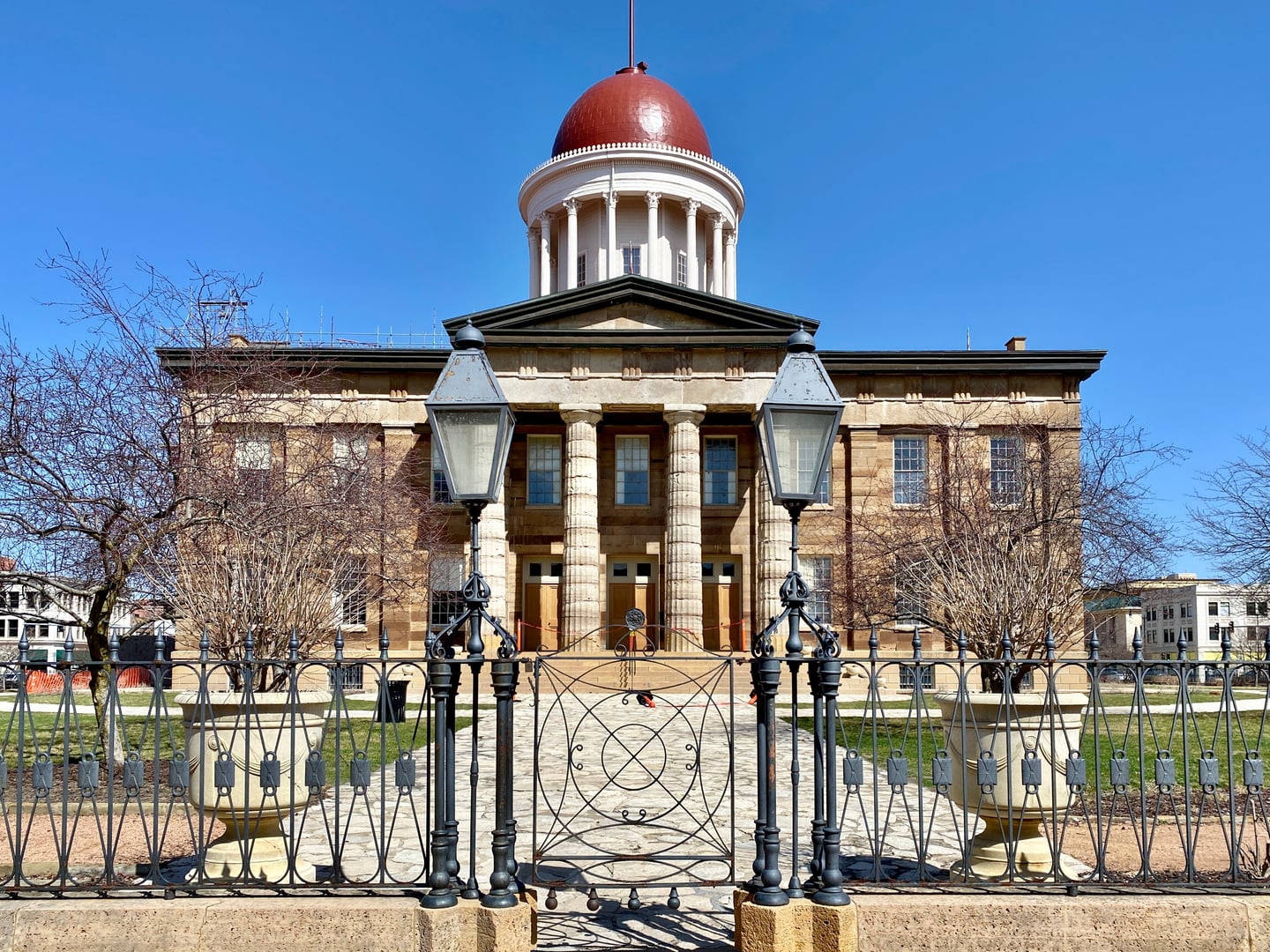
Banksia is a historic estate in Aiken, South Carolina, whose construction history spans the antebellum period from approximately 1840 to 1862. The property is documented in the Historic American Buildings Survey (HABS), the Library of Congress's long-running program that records architecturally and historically significant American structures. HABS records confirm Banksia as a notable surviving example of the Winter Colony estate type — the grand residences built by wealthy Northern and Southern families who made Aiken a resort destination beginning in the mid-19th century, drawn by the mild climate and the South Carolina Rail Road connection to Charleston.
The mansion was eventually acquired by Aiken County and converted into the county historical museum, which now occupies the main house and grounds. The museum holds collections pertaining to Aiken County history, with particular depth in the Winter Colony period and the early 20th century when Aiken became a polo and equestrian center for the American upper class.
Banksia's long occupancy and its antebellum origins place it in the same category as other South Carolina plantation-era structures that have accumulated haunting traditions tied to the violence and social upheaval of the 19th century.
Sources
- https://www.loc.gov/item/2017879990/
- https://www.visitaikensc.com/event/aiken-county-museum-spooky-tours/
Five distinct spirits reported on guided ghost toursUnexplained events in mansion roomsHistorical accounts of murder connected to the property
The Aiken County Historical Museum's seasonal ghost tours of the Banksia mansion are built around five distinct spirits said to haunt the property. The tours are promoted through Aiken's official tourism channels and are designed as a narrative walk through the mansion's rooms, with each reported entity tied to a specific period or incident in the building's history.
Among the accounts presented on the tours are stories of the mansion's Winter Colony grandeur, events described as eerie by guides and participants, and at least one account involving murder — framed historically rather than graphically. The specific identities of the five named spirits and the incidents associated with them are part of the tour narrative and are not detailed in publicly available promotional materials beyond the general claim of five distinct entities.
Aiken's official tourism site promoted these spooky tours as a seasonal event. The museum's own programming reflects a willingness to engage with the property's darker histories as part of its public interpretation.