Est. 1838 · 1838 solitary confinement jail modeled on Eastern State Penitentiary · 1997 archaeological discovery of intact cell remains beneath Providence parking lot · Documents the Pennsylvania system of penal isolation in Rhode Island
The Providence County Jail opened in 1838, constructed at a time when the Pennsylvania system of total solitary confinement represented the prevailing theory of penal reform. The jail was designed on principles derived from Eastern State Penitentiary, which had opened in Philadelphia in 1829 and popularized the idea that complete isolation from other prisoners would encourage reflection and rehabilitation.
The Providence jail's cells measured six by ten feet — the standard unit for the Pennsylvania model. A second category of smaller spaces, the punishment rooms, measured approximately three-and-a-half by six feet. According to the Archaeology account of the 1997 excavation, prisoners were sometimes confined in these spaces for the entirety of their sentences, with little or no natural light and no contact with other inmates.
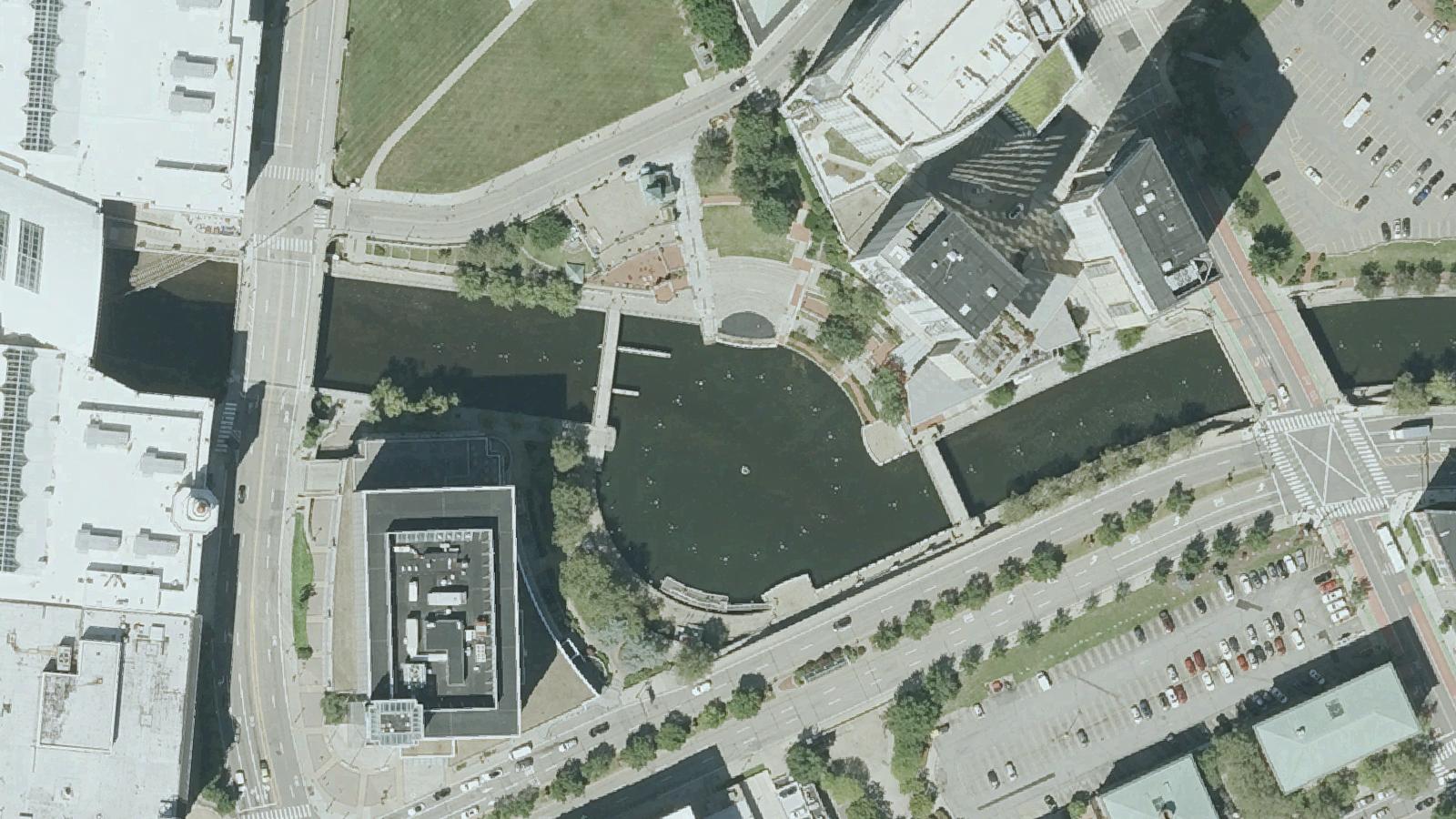
The jail was eventually demolished, and the site was covered by the urban infrastructure that grew up around the Rhode Island State House over the following century. In 1997, an archaeological excavation of what had been a parking lot in the area revealed the jail's subsurface remains largely intact. The excavation, reported by Archaeology magazine, documented the cell dimensions and the layout of the facility, providing a physical record of a penal practice that had long since been abandoned.
No above-ground structure remains. The site is below the current street level and infrastructure near the State House.
Sources
- https://archive.archaeology.org/9711/newsbriefs/prison.html
- https://www.rimonthly.com/inside-the-original-rhode-island-state-prison/
Recognized as a dark history site in Providence paranormal tourism
Visit Rhode Island's haunted landmarks listing includes the Providence City Jail among the state's noted paranormal sites, reflecting a general recognition of the site's dark history in regional folklore. Providence ghost tour operators offer walking tours of the city's historic core that cover sites in the area around the State House, where the 1838 jail was located.
No specific paranormal accounts tied to the archaeological excavation site or its location have been independently documented — the lore attaches more generally to Providence's history of incarceration and the city's colonial core. The 1838 jail's documented practice of extended solitary confinement in cells as small as three-and-a-half by six feet represents a historical severity that the city's heritage tourism ecosystem has acknowledged, even without specific paranormal reports attached to the underground remains.
Independent paranormal accounts specifically tied to this site have not yet been identified.
Where this legend is told