Drive-By
Exterior Viewing Only
View the 1838 ironmaster's brick residence from Irondale Avenue. The bed and breakfast operation has been listed as closed and the property is private; do not approach beyond the public street.
- Duration:
- 20 min
HauntBound archive · catalog record
Reported phenomena, as catalogued
1838 Ironmaster's House and Underground Railroad Stop
100 Irondale Ave, Bloomsburg, PA 17815
Research updated September 2026
Age
All Ages (exterior viewing only)
Cost
Free
No cost; exterior view only. The bed and breakfast is currently closed.
Access
Accessibility not stated
Paved street, residential neighborhood
Equipment
Photos OK
Est. 1838 · Underground Railroad · Ironmaster's House · 19th-Century Industrial Heritage
The Irondale Inn stands at 100 Irondale Avenue in Bloomsburg, a Columbia County borough on the North Branch of the Susquehanna River. The building was constructed in 1838 to house the local ironmaster, the senior figure of the small industrial settlement that supported the area's iron furnaces. SAH Archipedia and the ExplorePAHistory project both document the structure as the Ironmaster's House, an example of vernacular Greek Revival domestic architecture serving an early-19th-century forge community.
After the iron operations declined, the residence served additional roles. Local historical accounts identify the property as a station on the Underground Railroad, the network through which freedom seekers moved north before the Civil War. The exact mechanics of its participation are not extensively documented in publicly available archival sources, but the role is consistently noted in regional heritage references.
In the late 20th and early 21st centuries, the house operated as a small bed and breakfast known as The Irondale Inn, with three guest rooms, a phone listing of 570-389-0100, and a reputation among visitors for substantial cooked breakfasts. As of October 2025, Yelp lists the property as closed, and aggregator listings indicate the bed and breakfast is no longer accepting reservations. The building itself remains standing.
Sources
When the Irondale Inn was operating as a bed and breakfast, local paranormal coverage circulated a small but consistent set of reported phenomena. Pennsylvania paranormal blogs and aggregators describe three resident spirits associated with the building, with a large heating vent leading down to the basement frequently identified as the focal point of the activity.
The most-cited account involves an older woman who, according to circulated guest reports, was experienced quietly closing doors behind visitors as they moved through the upper hallways. Other reports collected during the inn's operating years describe the kitchen door found unexpectedly open and the lid of an exterior hot tub displaced after the owners returned from a weekend away, with nothing taken from the property.
Independent corroboration is limited. The Shadowlands narrative and a small handful of paranormal aggregator posts repeat similar details, and the inn is listed in Bloomsburg ghost-tour ephemera, but no academic, journalistic, or historical-society treatment of the haunting exists in the public record. With the bed and breakfast now closed, the building is no longer accessible to overnight guests, and the legends survive primarily through these earlier visitor anecdotes.
Notable Entities
View the 1838 ironmaster's brick residence from Irondale Avenue. The bed and breakfast operation has been listed as closed and the property is private; do not approach beyond the public street.
Some links on this page may earn HauntBound a small commission when you book, at no extra cost to you. Our editorial picks are independent. Full disclosure
Every HauntBound history is researched from documented sources. We clearly separate verified historical fact from paranormal folklore.
Free Guide
11 verified stops, rated for families, mapped in order. Free.
One email to confirm, then the guide link. Unsubscribe anytime.
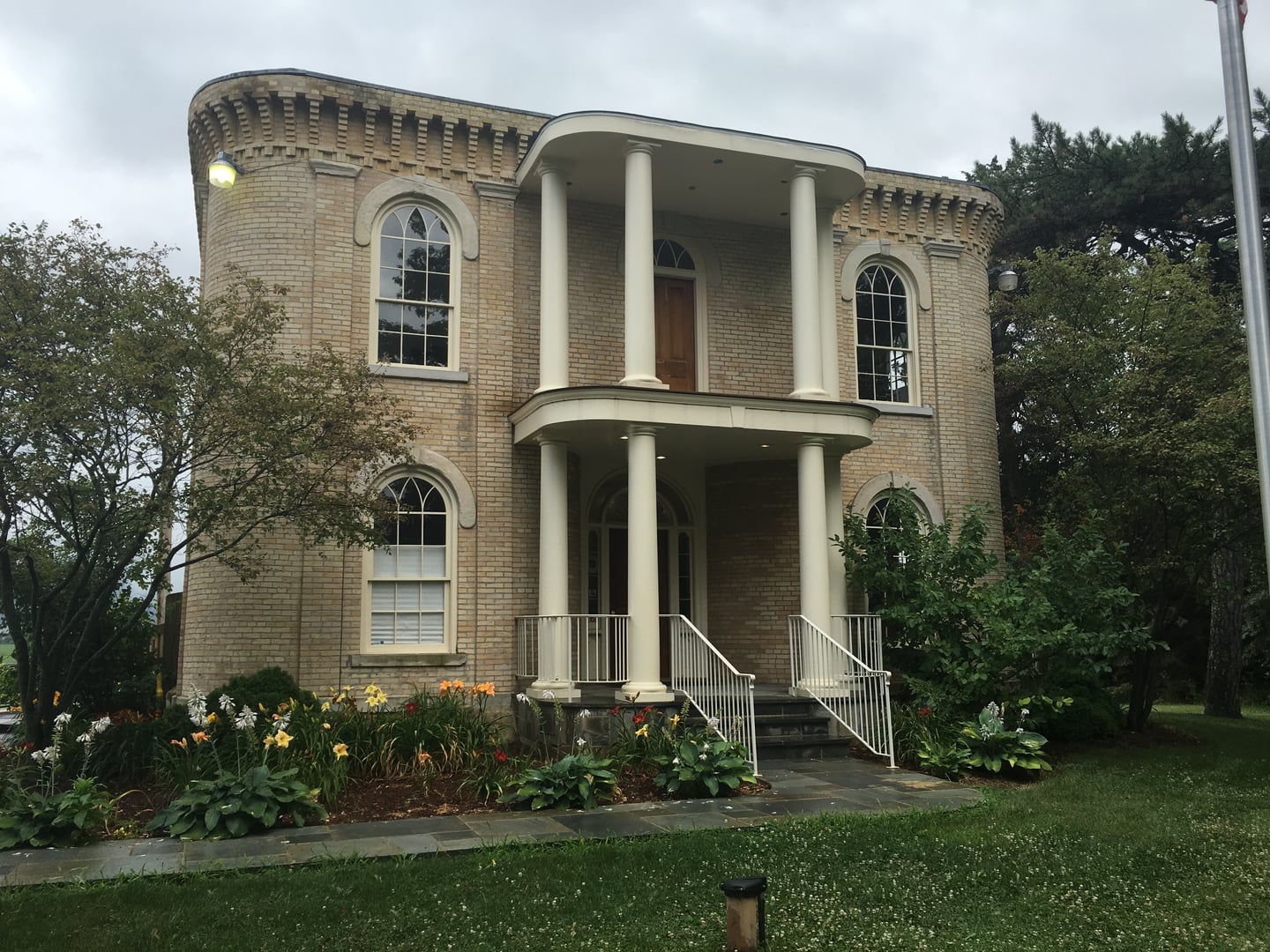
Bull Valley, IL
The George Stickney House is an 1865 stucco-over-frame mansion in Bull Valley, Illinois, built for spiritualists George and Sylvia Stickney. The Stickneys, both practicing mediums, are said to have designed the interior without right angles to ease the movement of spirits during seances. The building has served as the Bull Valley Police Department since 1985 and has been listed on the National Register of Historic Places since 1979.
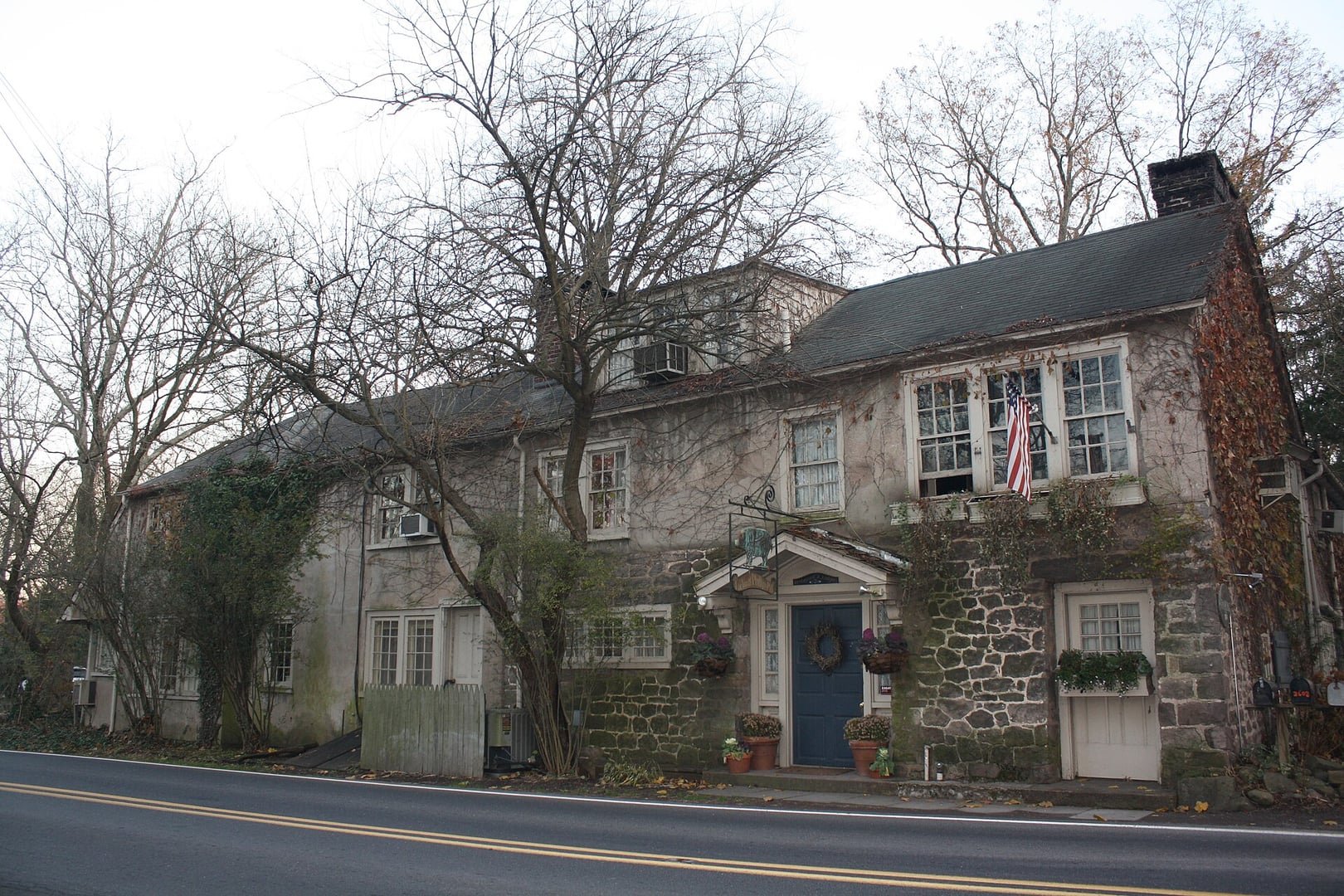
New Hope, PA
The Inn at Phillips Mill at 2590 River Road in New Hope, Pennsylvania was built by Aaron Phillips around 1756 as a stone barn. It is part of the Phillips Mill Historic District, listed on the National Register of Historic Places. The property has operated as an inn for several decades and is among the older continuously occupied structures in Bucks County.
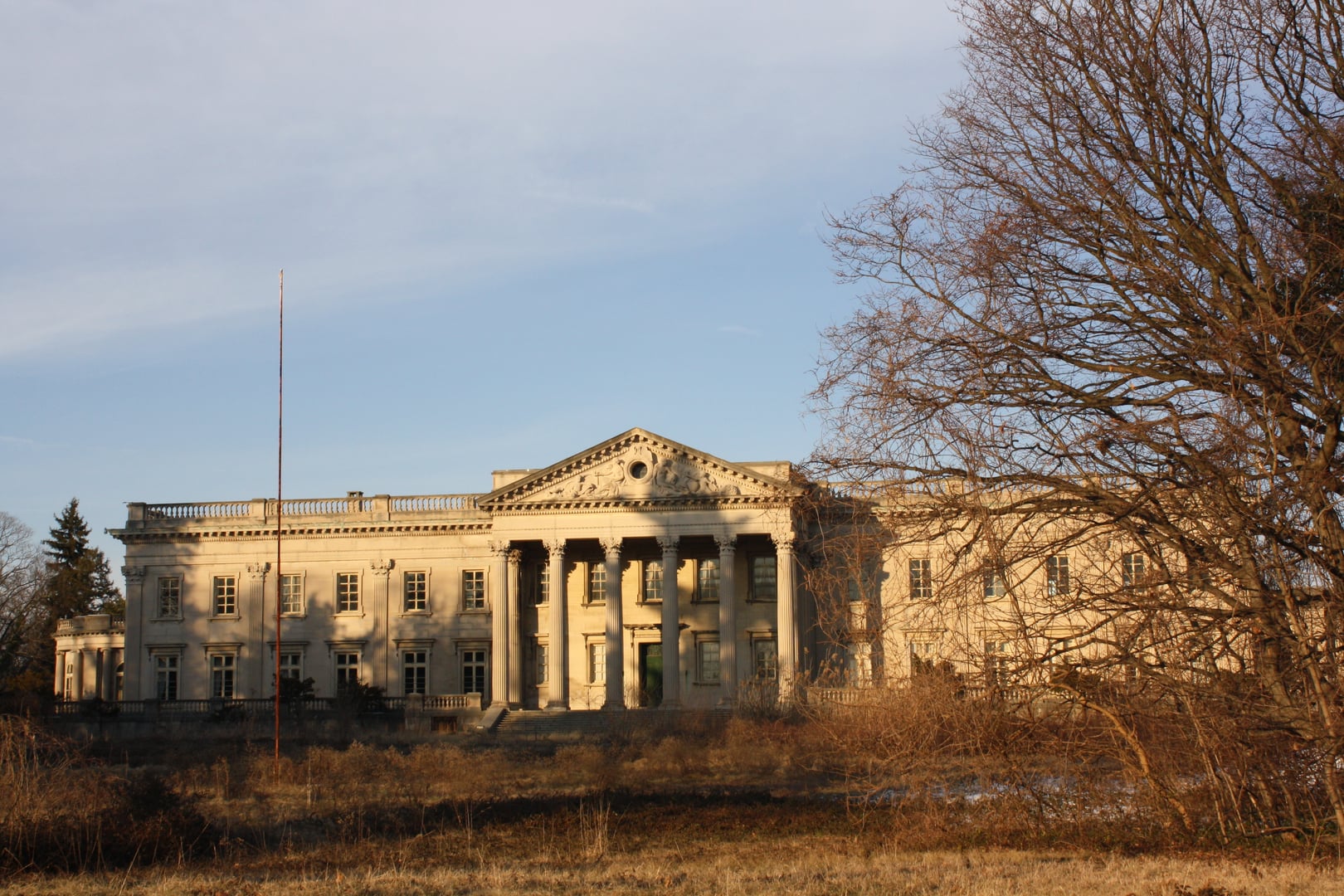
Elkins Park, PA
Lynnewood Hall is a 110-room Neoclassical Revival mansion in Elkins Park, Pennsylvania, designed by Horace Trumbauer for Philadelphia traction magnate Peter A.B. Widener. Built between 1897 and 1900, it housed one of the era's most significant private art collections, much of which was donated to the National Gallery of Art in 1942.