Drive-By
School Exterior Observation
View Camp Hill High School from the exterior. The school was constructed over the site of a historic children's cemetery that was not excavated during construction.
- Duration:
- 20 min
HauntBound archive · catalog record
Reported phenomena — as catalogued
Age
Not Applicable
Cost
Free
School facility restricted. No public access to interior.
Access
Limited Access
School building
Equipment
No Photos
Camp Hill High School was built on property that served as a burial ground for children in earlier historical periods. The school construction process deliberately avoided excavating the cemetery, allowing burials to remain in situ beneath the modern school structure. A small metal access door, approximately three feet above ground level, provides limited access to the basement cavity where the cemetery is located. The floor of this space remains unpaved (dirt), and visible mounds indicate the positions of burial sites.
Paranormal reports from Camp Hill High School document phenomena consistent with child entity manifestations anchored to burial ground disturbance. Visual apparitions describe small girls running through hallways, suggesting either residual hauntings or intelligent entities. Auditory phenomena include footsteps along hallways despite absence of living persons and disembodied children's voices. The combination of visual and auditory child-centered phenomena aligns with burial ground residual haunting patterns documented in paranormal research.
View Camp Hill High School from the exterior. The school was constructed over the site of a historic children's cemetery that was not excavated during construction.
Some links on this page may earn HauntBound a small commission when you book, at no extra cost to you. Our editorial picks are independent. Full disclosure
Free Guide
11 verified stops, rated for families, mapped in order. Free.
One email to confirm, then the guide link. Unsubscribe anytime.
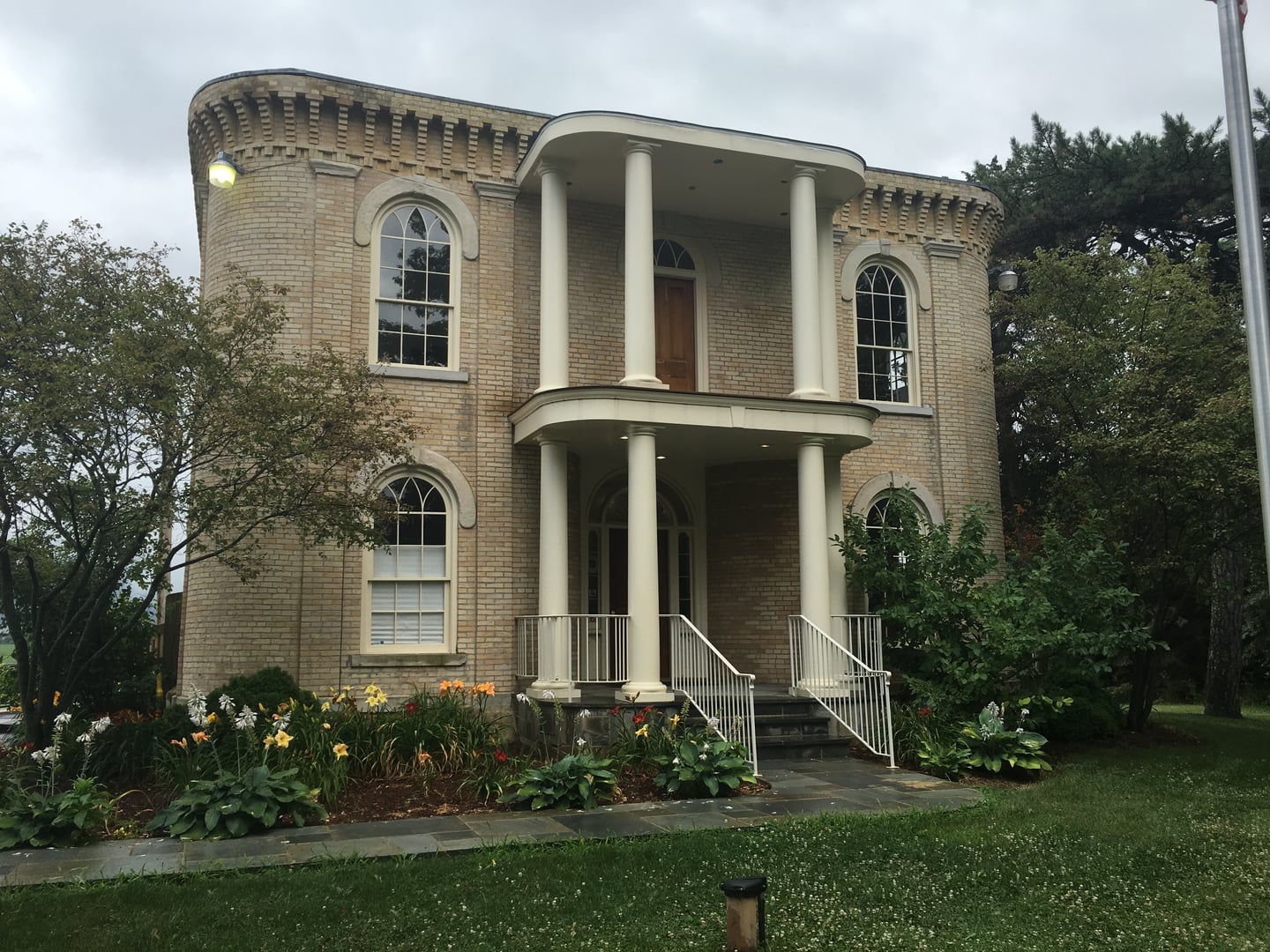
Bull Valley, IL
The George Stickney House is an 1865 stucco-over-frame mansion in Bull Valley, Illinois, built for spiritualists George and Sylvia Stickney. The Stickneys, both practicing mediums, are said to have designed the interior without right angles to ease the movement of spirits during seances. The building has served as the Bull Valley Police Department since 1985 and has been listed on the National Register of Historic Places since 1979.
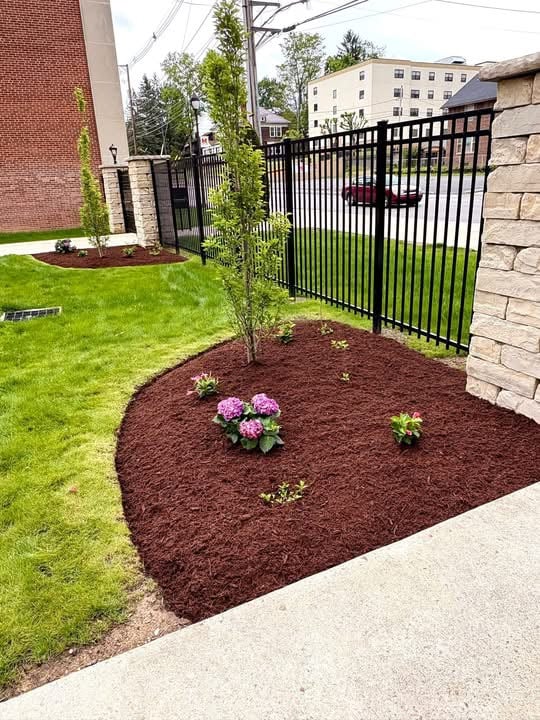
Johnstown, PA
Bishop McCort Catholic High School opened in 1922 as Johnstown Catholic High School under Bishop John Joseph McCort and was renamed in his honor in 1962. The school survived the 1936 Johnstown flood and now operates as an independent Catholic academy.
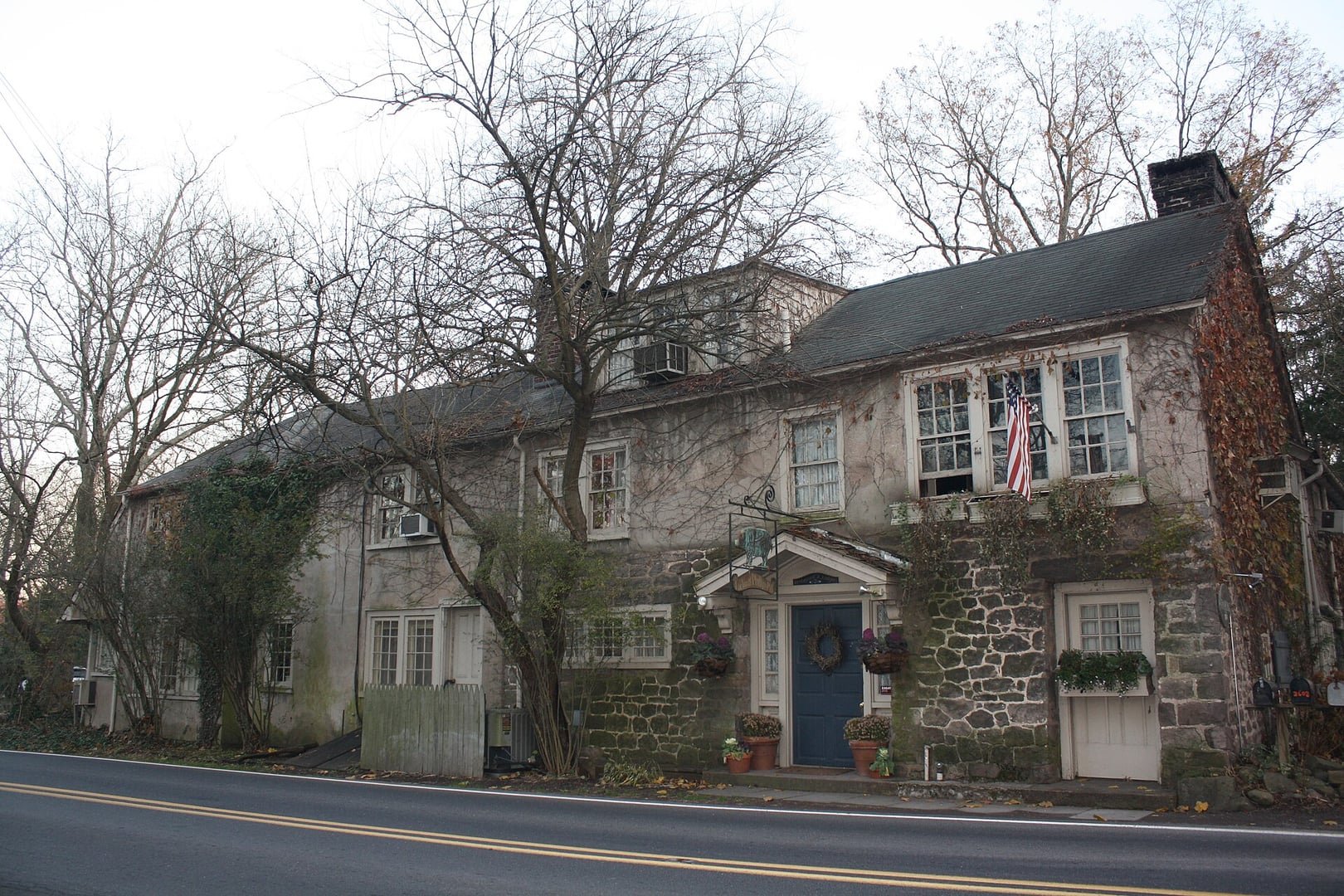
New Hope, PA
The Inn at Phillips Mill at 2590 River Road in New Hope, Pennsylvania was built by Aaron Phillips around 1756 as a stone barn. It is part of the Phillips Mill Historic District, listed on the National Register of Historic Places. The property has operated as an inn for several decades and is among the older continuously occupied structures in Bucks County.