Est. 1886 · Prison Trauma · Murder Trauma · Pennsylvania History · National Historic Landmark contributing structure · Richardsonian Romanesque architecture
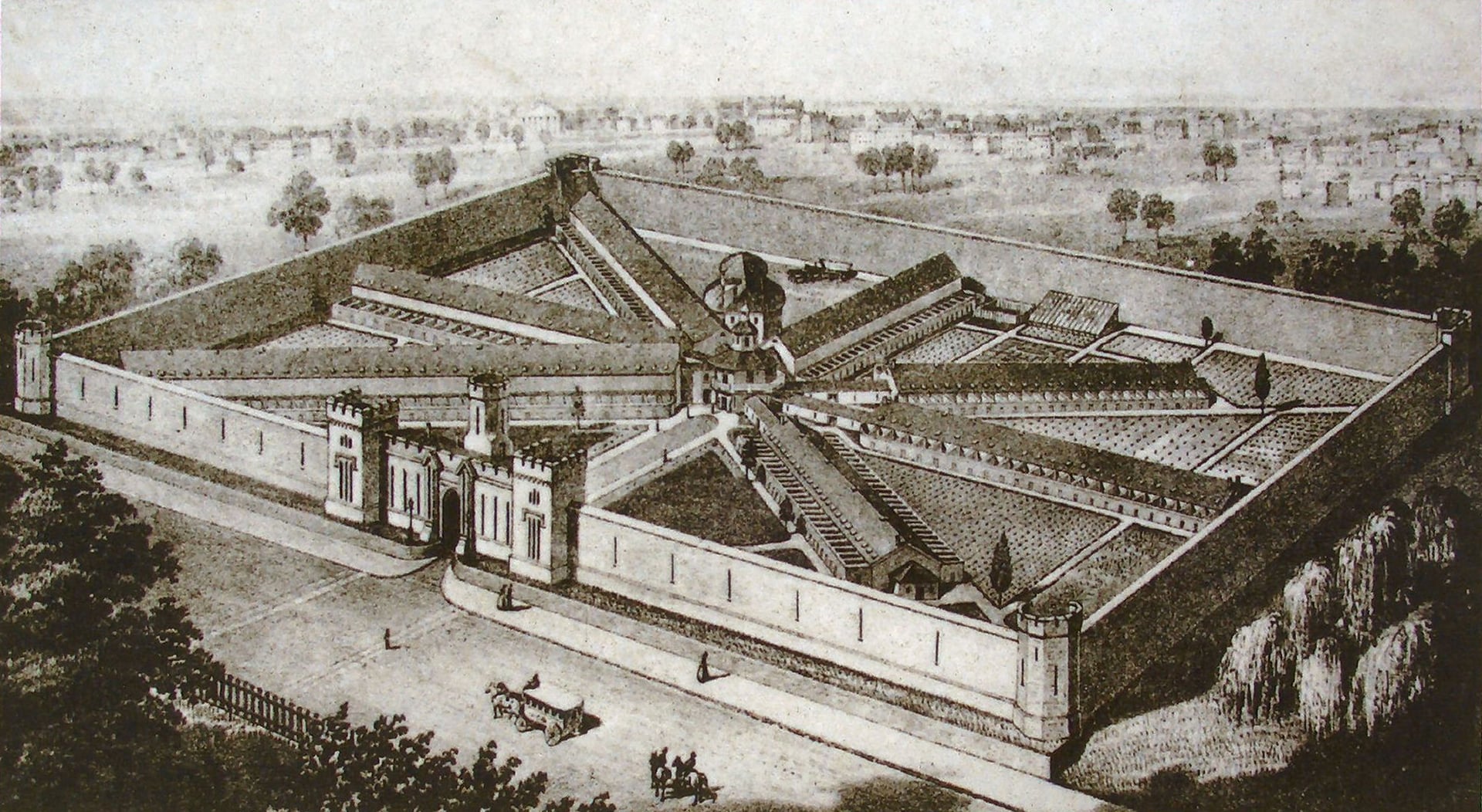
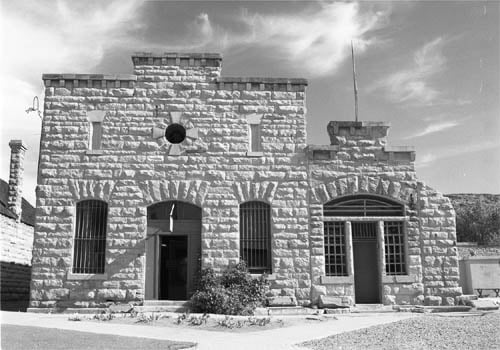
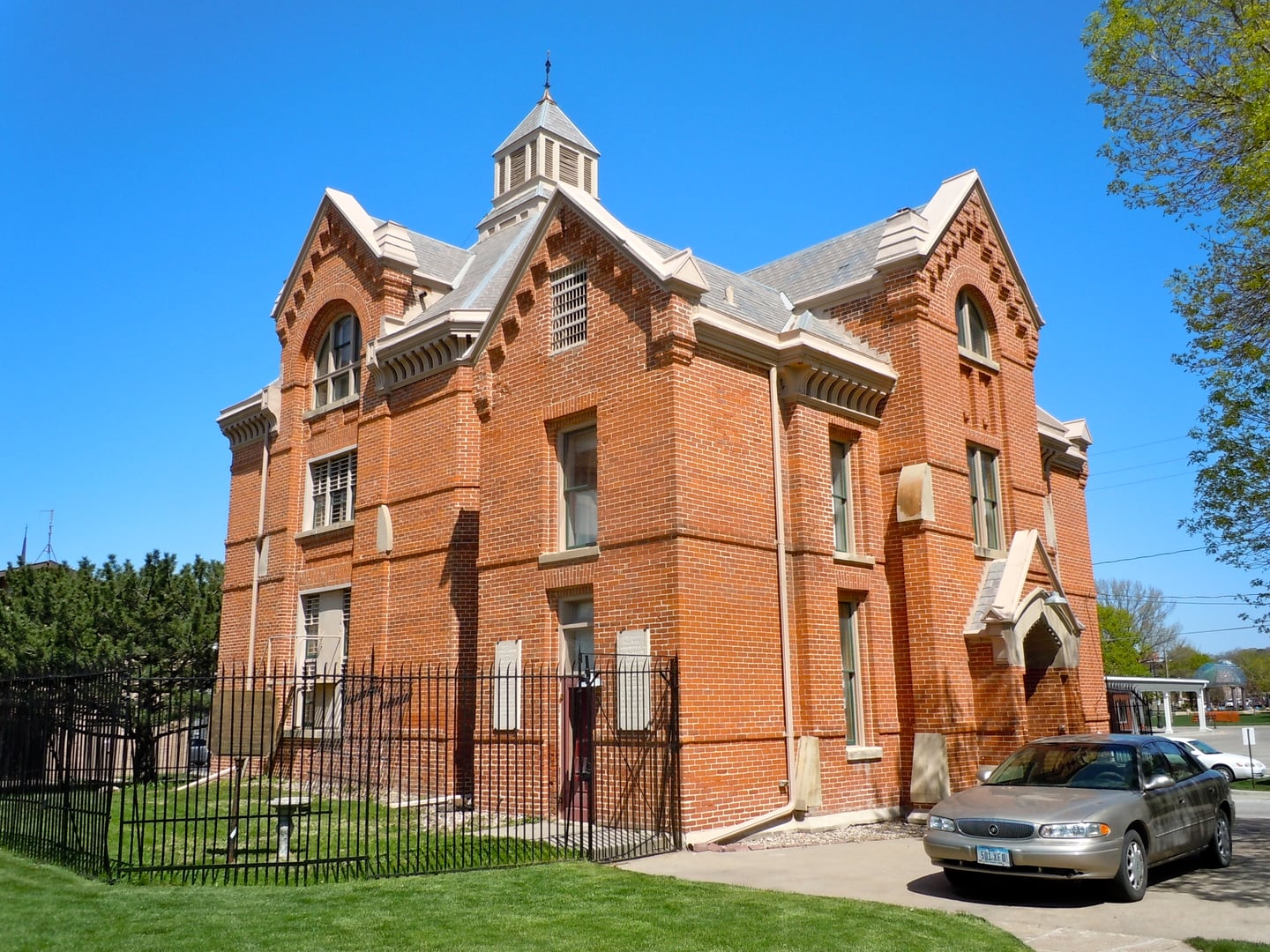
When Allegheny County's earlier jail burned in 1882, the county commissioners hired Boston architect Henry Hobson Richardson to design a replacement alongside a new courthouse. Construction began in 1883; the cornerstone of the courthouse was laid October 13, 1884, and the jail was completed in 1886. Richardson considered the complex his finest work and oversaw its design until his death that same year. The jail was built of massive rusticated granite and connected to the courthouse by an elevated 'Bridge of Sighs' modeled on the Venetian bridge of the same name.
During its operating life, 58 hangings were carried out within the jail walls — a fact consistently documented in local histories of the Pittsburgh death penalty. The most sensational moment in the jail's history was the January 30, 1902 escape of condemned prisoners Edward and John (Jack) Biddle, who were freed by warden's wife Kate Soffel; the brothers were shot during the pursuit and Soffel served a sentence for her role in the escape.
By the early 1990s the building was undersized and incompatible with modern detention standards. Allegheny County opened a new jail near the Allegheny River in 1995 and embarked on an approximately $25 million, two-year renovation of the Richardson building to house the Family Division of the Court of Common Pleas. A small section of original cellblock was preserved as the Old Allegheny County Jail Museum, operated by the Pittsburgh History & Landmarks Foundation (PHLF).
The building, together with the adjoining courthouse, is a contributing structure to a National Historic Landmark district and is among the most-studied works of late 19th-century American institutional architecture. PHLF docents continue to lead free museum tours on the first and third Mondays of the month, April through October.
Sources
- https://en.wikipedia.org/wiki/Allegheny_County_Courthouse_and_Jail
- https://www.cbsnews.com/pittsburgh/news/ghosts-of-pittsburgh-old-allegheny-county-jail/
- https://alleghenywest.org/phlf-old-allegheny-county-jail-museum/
- https://steelcityhistory.com/2025/05/10/the-haunted-history-of-the-old-allegheny-jail-and-western-penitentiary/
ApparitionsPhantom soundsCold spotsSense of presenceReenactment phenomena
According to Haunted Pittsburgh tour guide Haydn Thomas and the CBS Pittsburgh 'Ghosts of Pittsburgh' feature, William A. Culp died in his cell in 1907 while awaiting trial for murder. Within days, prisoners on adjacent cells reported seeing Culp reenact the killing each night between midnight and 1 a.m. The warden, faced with refusals to sleep and demands to be moved, reportedly relocated condemned men to a different section of the jail to quiet the unrest. Local death-penalty historians at State Killings in the Steel City have separately documented Culp as a real prisoner of the era.
A second strand of local lore centers on Kate Soffel, the warden's wife who helped the Biddle brothers escape in January 1902. Tour operators describe a shuffling of papers in the museum cellblock and the sensation of cold touches on guards, attributed to her ghost. The brothers were buried in unmarked graves at Calvary Catholic Cemetery, where their lore continues — see the linked Calvary Cemetery entry.
Ghost City Tours, Pittsburgh Magazine, and Steel City History each list the building among the city's most paranormally active sites, citing the 58 documented hangings as the source of residual emotional weight. No formal scientific investigations have been publicly reported on the museum cellblock, and the building's active use as a courthouse limits after-hours access.
Notable Entities
William A. Culp (1907 prisoner)Kate Soffel (warden's wife)
Media Appearances
- Ghosts of Pittsburgh — CBS Pittsburgh