Est. 1829 · National Historic Landmark · Pennsylvania System Pioneer · Al Capone Incarceration · Gothic Revival Architecture
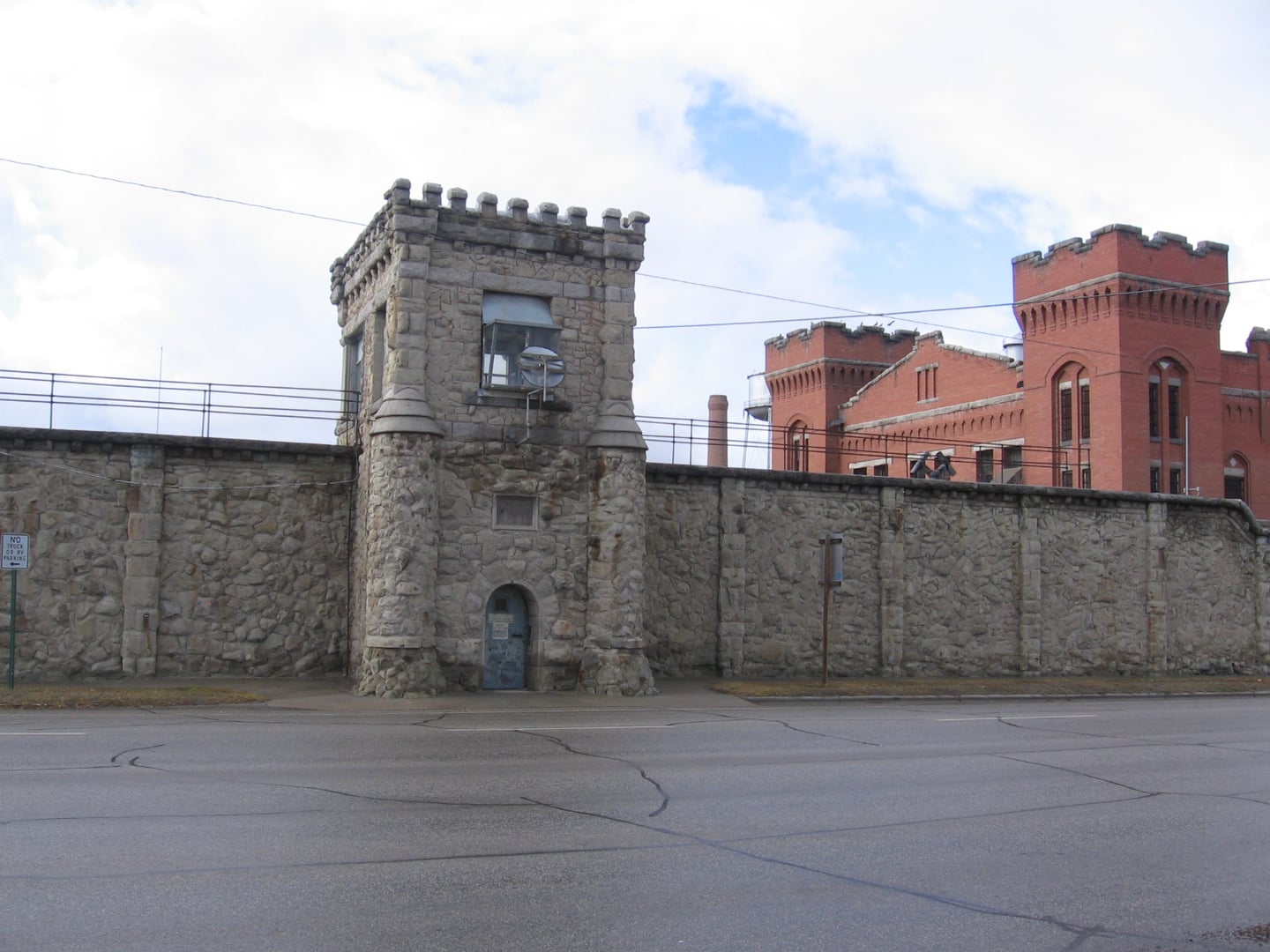
When Eastern State Penitentiary opened on October 25, 1829, it was the largest and most expensive public building in the United States. Architect John Haviland designed it in a Gothic Revival castellated style with a radial floor plan — seven cellblocks extending from a central surveillance hub — that became a model for over 300 prisons worldwide.
The Pennsylvania System, championed by Quaker reformers and the Philadelphia Society for Alleviating the Miseries of Public Prisons, mandated that each inmate be kept in complete isolation. Prisoners worked, ate, slept, and prayed alone in individual cells. Exercise took place in private walled yards. Hoods were placed over new arrivals' heads during intake to prevent them from learning the layout. The theory held that isolation and Bible reading would produce genuine remorse. Contemporary observers including Charles Dickens, who visited in 1842 and wrote a scathing account in American Notes, documented the severe psychological deterioration it produced instead.
Among the facility's most famous residents was Chicago bootlegger Al Capone, who served an eight-month sentence in 1929 and 1930. His cell — still visible — was furnished with amenities including a radio and reproduction paintings. Capone reportedly told guards he was haunted by the ghost of James 'Jimmy' Clark, one of his victims from the 1929 St. Valentine's Day Massacre.
The penitentiary was decommissioned in 1971, sat vacant for over two decades, and opened as a ruin-state historic site in 1994. The current presentation preserves the deliberately unrestored cellblocks — crumbling plaster, rusted hardware, collapsed ceilings — as deliberate artifacts of abandonment.
Sources
- https://www.easternstate.org/
- https://ghostcitytours.com/philadelphia/haunted-philadelphia/eastern-state-penitentiary/
- https://phillyghosts.com/hauntings-at-the-eastern-state-penitentiary/
- https://adventure.com/eastern-state-penitentiary/
ApparitionsShadow figuresDisembodied laughterPhantom voicesCold spots
The documented paranormal history of Eastern State begins with a contractor named Gary Johnson, who in the early 1990s was performing locksmith work on Cellblock 4 when he reportedly observed ghostly faces emerging from the walls and a cackling figure in the corridor. His account, often cited as the first post-abandonment report, coincided with the penitentiary's transition from ruin to open historic site.
Since then, Cellblock 4 and Cellblock 12 have generated the highest density of visitor reports. The most frequently documented apparition is a woman in white whom staff have named the Soap Lady. She is described as sitting or standing in the last cell on Cellblock 12's second floor. Her presence is reported by independent visitors with no prior knowledge of the name or location.
Disembodied laughter — described by multiple sources as distinct from ambient sound and unlocatable upon investigation — is among the most commonly reported phenomena. Staff members and visitors have both described hearing whispering or weeping while navigating empty corridors. When followed, the sound has no discoverable source.
Al Capone's reported haunting by Jimmy Clark, documented during his 1929 sentence, predates the site's paranormal tourism era by decades. Guards at the time noted Capone's agitation and his references to a 'Jimmy' who would not leave him alone.
The penitentiary has been investigated on Ghost Hunters (Syfy), Ghost Adventures (Travel Channel), Most Haunted Live (Travel Channel), and MTV's Fear. The seasonal Halloween Nights theatrical attraction — a separate event from daytime visits — has run annually since 1991 and consistently ranks among the highest-attended haunted attractions in the country.
Notable Entities
The Soap LadyJimmy Clark (reported by Al Capone)
Media Appearances
- Ghost Hunters (Syfy)
- Ghost Adventures (Travel Channel)
- Most Haunted Live (Travel Channel)
- Fear (MTV)
- BuzzFeed Unsolved: Supernatural: The Captive Spirits of Eastern State Penitentiary (S3E3) (2017)
- Portals to Hell: Eastern State Penitentiary (S1E4) (2019)
- Twelve Monkeys (dir. Terry Gilliam; penitentiary used as the film's mental hospital setting) (1995)
- Animal Factory (dir. Steve Buscemi; filmed at Eastern State) (2000)
- Eastern State Penitentiary: A History by Paul Kahan (The History Press) (2008)