Revolutionary War Era · Civil War Era · Active Historic Presbyterian Congregation
Service Creek Church is among the oldest Presbyterian congregations in Beaver County, established along Service Creek as settlers pushed into western Pennsylvania in the years following the Revolutionary War. Dr. John Anderson served as pastor from 1788 to 1810, and the cemetery bears his name in recognition of that foundational period.
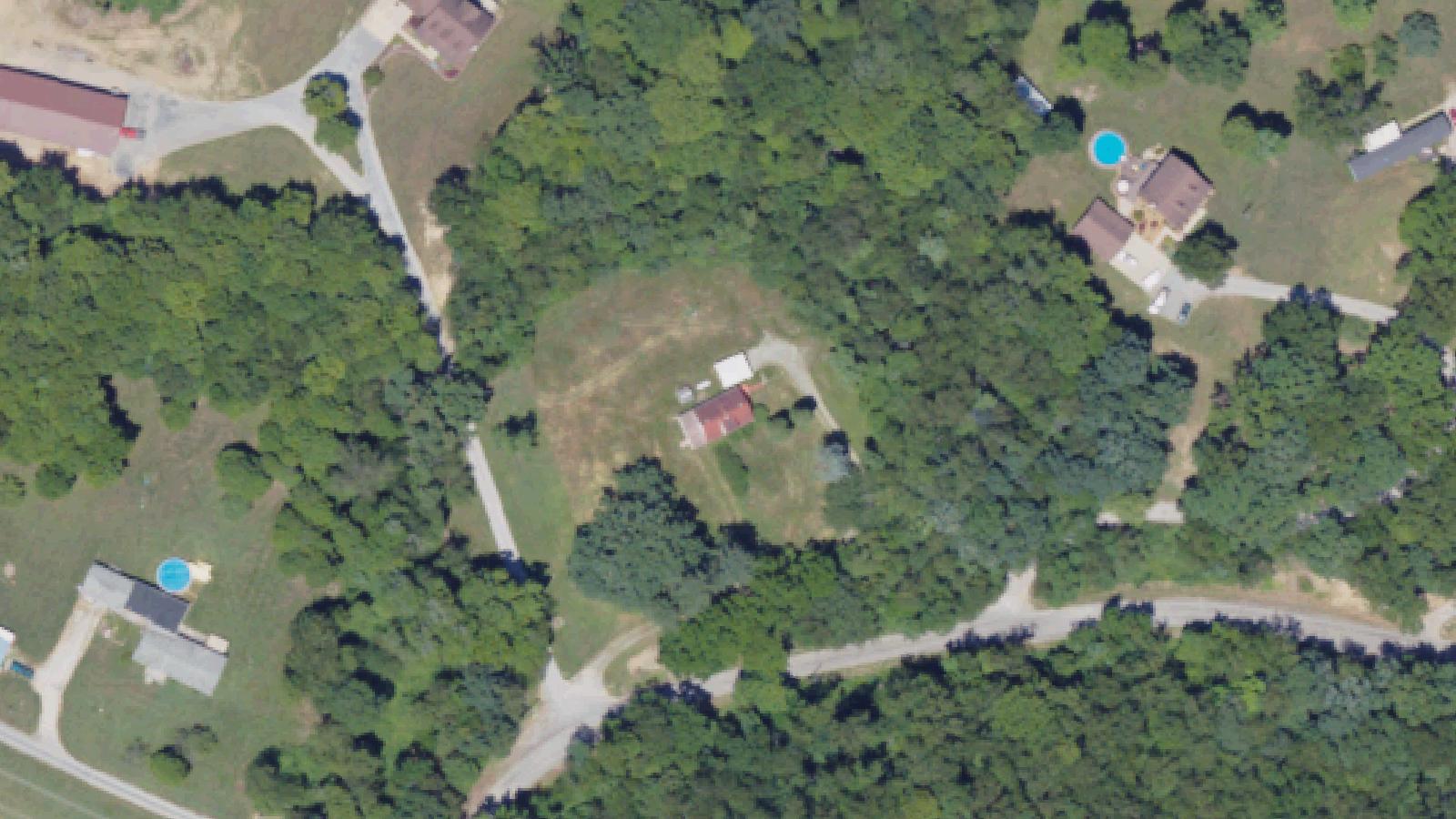
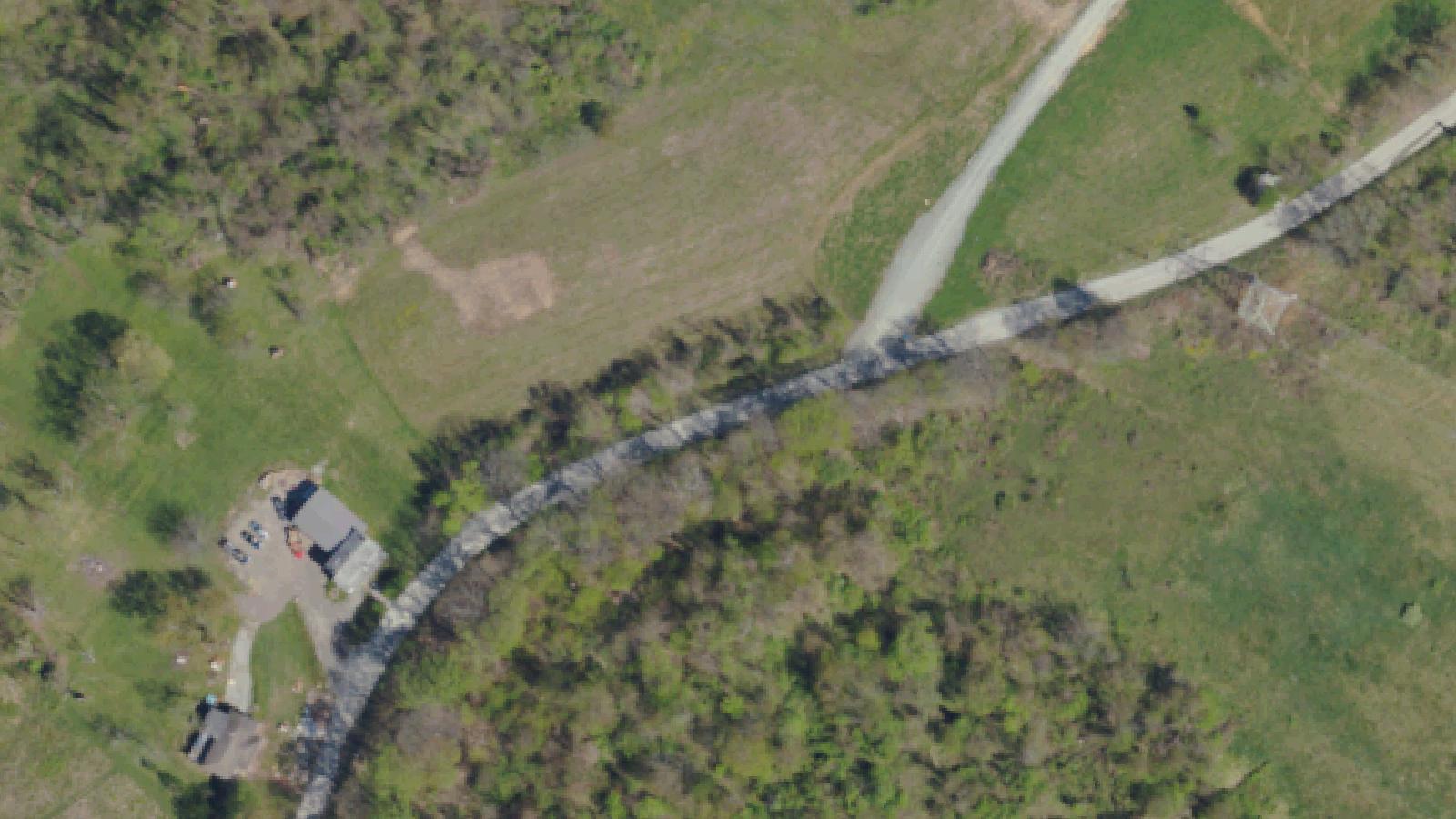
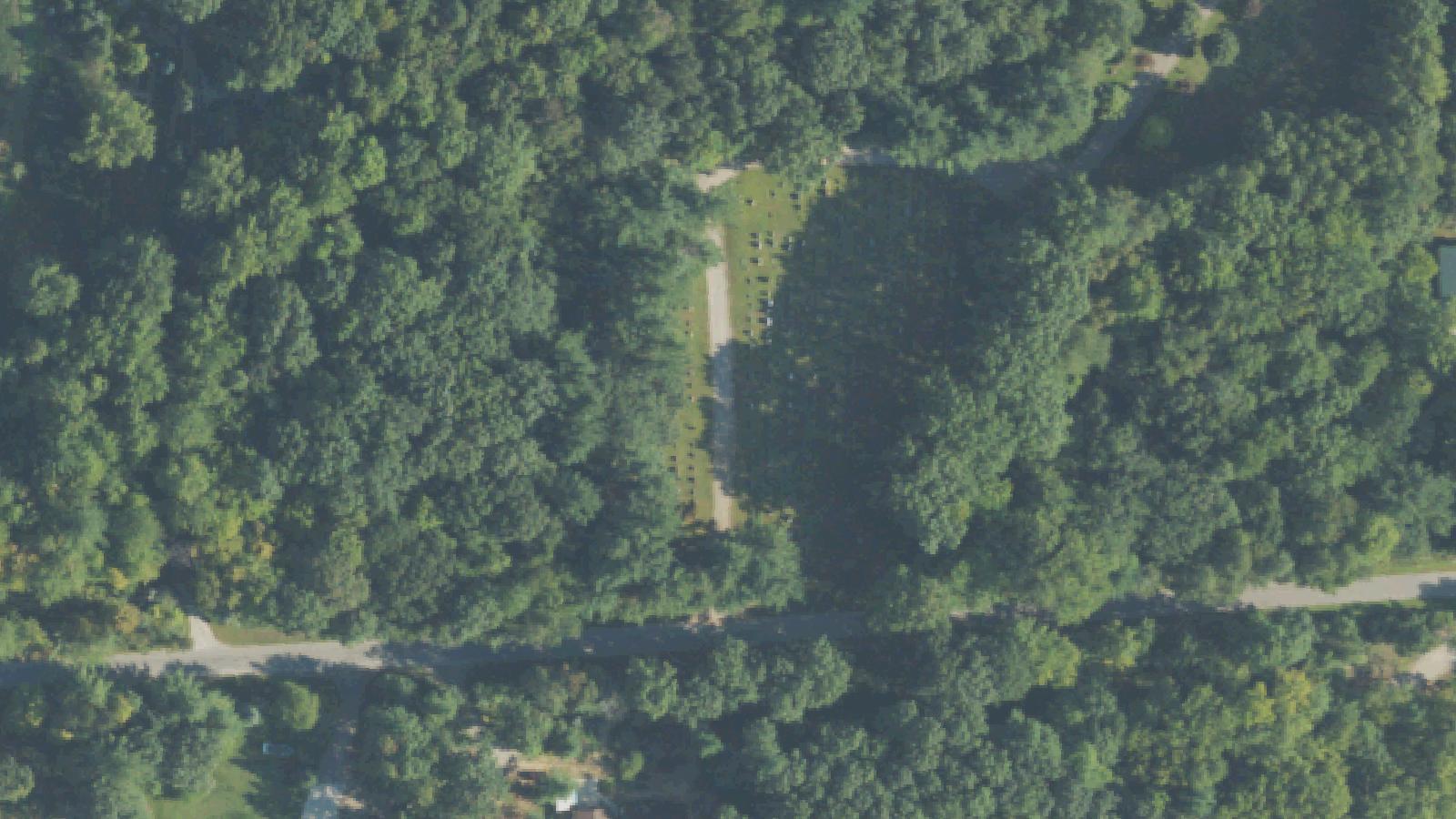
The site sits in Independence Township, adjacent to the Ambridge Reservoir — a municipal water supply created in 1955 when a dam was constructed on Service Creek. The approach to the church is a pine-tree-lined road that terminates at the church parking lot, giving the site a distinctly secluded character despite being within reach of Pittsburgh's metropolitan sprawl.
The cemetery contains graves spanning more than two centuries, from Revolutionary War veterans through Civil War soldiers to recent burials. The church is still an active congregation. A road runs along the reservoir behind the church property, but crossing the guardrails to access the reservoir bank is illegal under local ordinance — visitors have been arrested for doing so, and the warning applies regardless of the time of day or night.
The combination of 18th-century graves, dense pine approach road, and reservoir proximity creates conditions that generate strong atmospheric responses in visitors, regardless of any paranormal interpretation. The fog that settles in the low areas along the reservoir bank in the early morning hours is a natural feature of the local topography.
Sources
- https://www.treasurenet.com/threads/service-creek-church-independence-twp-beaver-county.112844/
- https://www.facebook.com/ServiceUPChurchJohnAndersonCemetary/
- https://billiongraves.com/cemetery/John-Anderson-Memorial-Cemetery/84914
ApparitionsPhantom smellsPhantom voicesShadow figuresCold spots
The paranormal reputation of Service Creek Church and the John T. Anderson Cemetery has circulated in Beaver County for generations. Several specific phenomena recur across accounts.
The silence is the first thing most visitors note. The property has an unusual acoustic quality — a stillness that observers describe as absolute rather than merely quiet. This is consistent with its location: the pine-tree-lined entrance road and the reservoir topography both absorb ambient sound.
An indefinable smell appears in multiple accounts. Witnesses disagree about the character of the scent — some describe it as organic, others as something older and harder to categorize.
Fog is a constant presence near the reservoir bank. Multiple witnesses describe strange faces or forms visible within it. Whether these resolve into identifiable shapes or remain ambiguous depends on the account. What is consistent is that they are reported in the same area — the narrow road that runs between the cemetery property line and the reservoir itself.
Lights moving through the fog at night are also reported, particularly on the reservoir access road. These are sometimes described as stationary and then vanishing, sometimes as slowly drifting.
Of the more unusual claims: visitors standing at Civil War-era graves occasionally report an intensified sense of the soldier buried there — described variously as a sudden emotional impression or a visual flash. These accounts are rare and resist easy categorization.
The church's indigenous land history adds historical context. The area was Lenape territory before European settlement, and the displacement of that population through the 18th century is a documented part of Beaver County's history.