Est. 1851 · Erie Pennsylvania History · Victorian Cemetery Design · Non-Denominational Burial
Erie Cemetery was formally opened on May 20, 1851, on land that became a permanent repository for the city's dead across the following century and a half. As a non-denominational institution, it accepted burials regardless of religious affiliation — a significant distinction in an era when many cemeteries were operated by specific church congregations with corresponding exclusions.
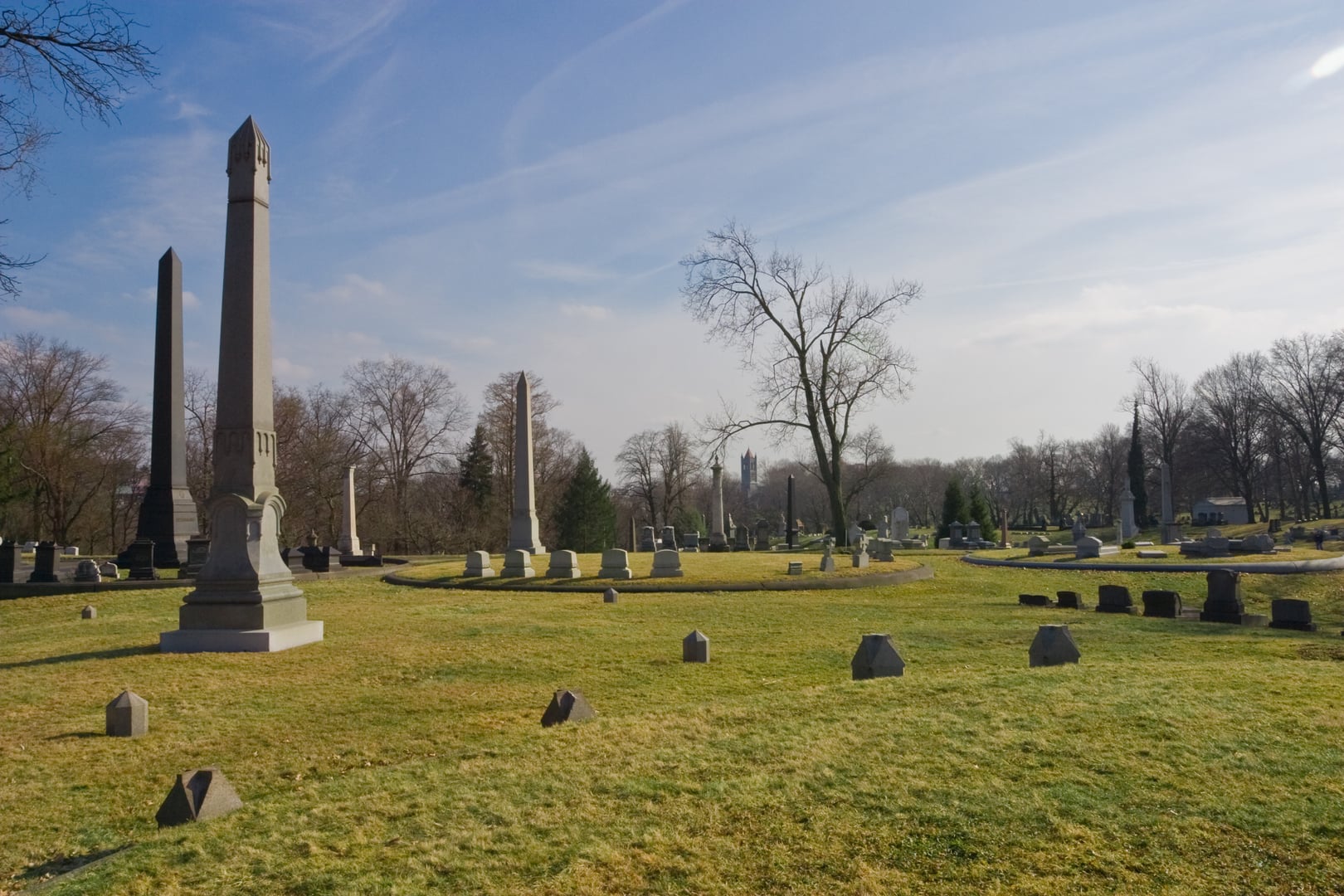
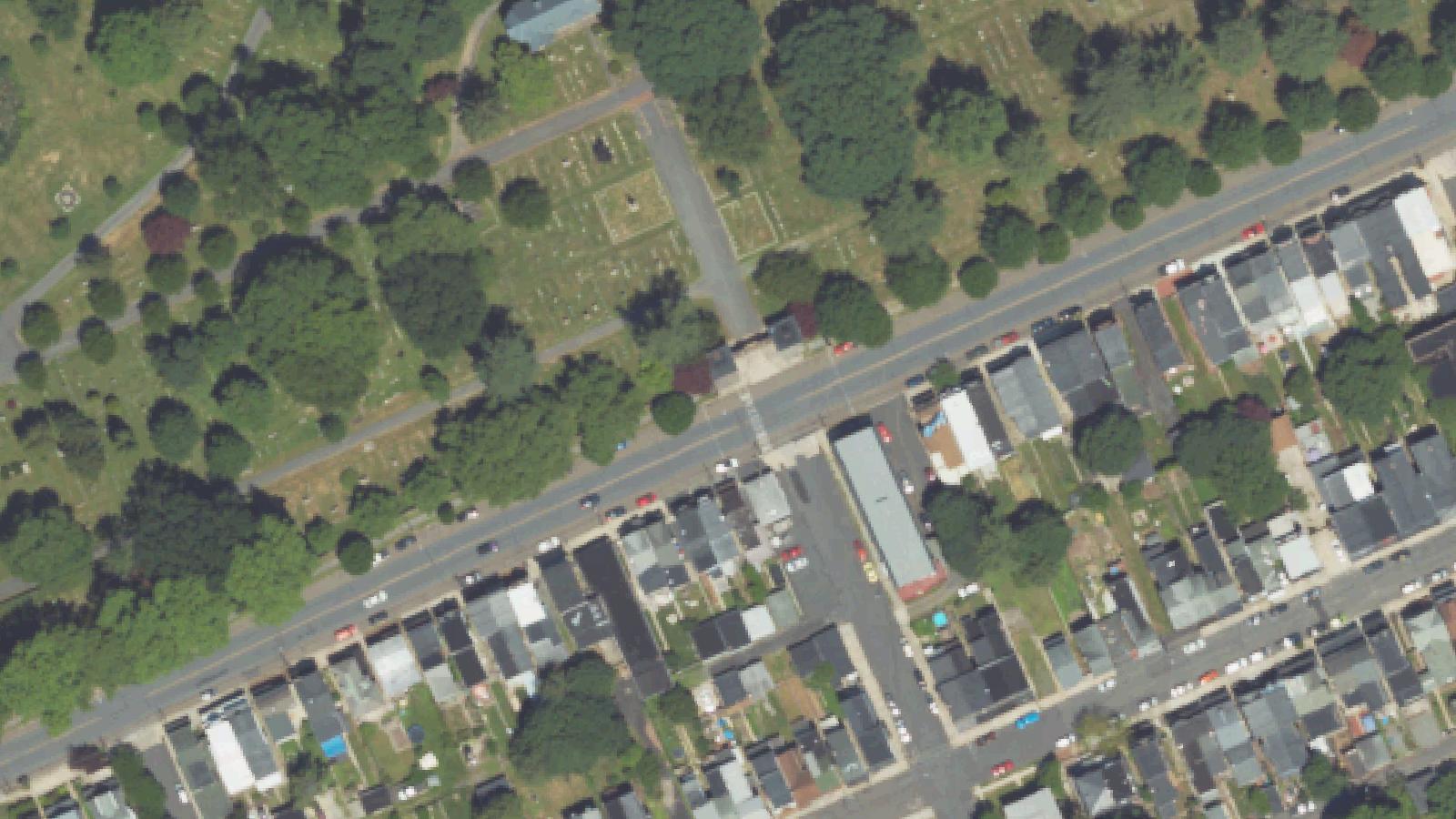
The 75-acre grounds span several city blocks in Erie's residential core, bounded by Chestnut Street to the east, Cherry Street to the west, 19th Street to the north, and 26th Street to the south. The cemetery contains the graves of notable Erie residents across multiple eras, as well as sections whose individual markers have been degraded by time and weather.
The Erie Cemetery Association continues to operate the grounds and has developed an educational and heritage tourism program including guided Ghosts and Legends Tours. The association's official programming acknowledges the site's paranormal reputation while grounding it in the documentary history of the people buried there.
Sources
- https://en.wikipedia.org/wiki/Erie_Cemetery
- https://www.eriereader.com/article/strange-deaths-ghosts-and-legends-at-the-erie-cemetery
- https://www.eriecemeteryassoc.com/
- https://phillyghosts.com/the-vampire-ghost-of-erie-pa/
ApparitionsCold spotsResidual haunting
The vampire legend at Erie Cemetery has outlasted nearly everything else associated with the individuals buried on these 75 acres. Its origin, as preserved in local lore, connects tuberculosis — a disease that causes its victims to cough blood and waste away over months — with the Eastern European folk belief that tuberculosis victims might rise as the undead.
The crypt in question is marked with a 'V' and no name. The man buried there, according to the legend, traveled from Romania in the late 19th century and died of tuberculosis shortly after arriving in Erie. The deaths that followed — bodies found in surrounding areas with puncture wounds and drained of blood — were attributed to him. Whether those deaths were real, misattributed to disease or crime, or entirely legendary, they attached permanently to the unmarked vault.
The Witches Circle occupies a different register of the cemetery's lore. Visitors describe it as a gathering point for covens and report an unusual quality to the atmosphere there — some finding it peaceful, others finding it charged.
The Erie Cemetery Association's Ghosts and Legends Tours formalize what has circulated as informal local knowledge for generations: stories of opened mausoleums, unexplained phenomena among the older sections, and the specific weight of a burial ground that has absorbed a city's dead for over 170 years.
Notable Entities
The Vampire of Erie