Est. 1709 · Largest single-day battle of the American Revolution · Over 2,000 combined casualties; led to British capture of Philadelphia · Gideon Gilpin farmhouse served as Washington's headquarters · Mass graves of soldiers on surrounding grounds
The Brandywine watershed in Chester County, Pennsylvania became the site of the largest engagement of the American Revolutionary War on September 11, 1777. British General William Howe landed approximately 17,000 British and Hessian troops at Head of Elk, Maryland and marched toward Philadelphia, the new nation's capital. George Washington positioned roughly 11,000 Continental and militia soldiers along the east bank of Brandywine Creek to stop them.
Howe divided his forces. While a holding force under Prussian General Wilhelm von Knyphausen engaged Washington's center at Chadd's Ford, Howe led a flanking column of 8,000 under General Lord Cornwallis on a 17-mile march to cross the Brandywine at an unguarded ford to the north. By late afternoon, Cornwallis descended on Washington's exposed right flank. The Continental Army broke and retreated in disorder, suffering roughly 1,300 casualties against Howe's approximately 600.
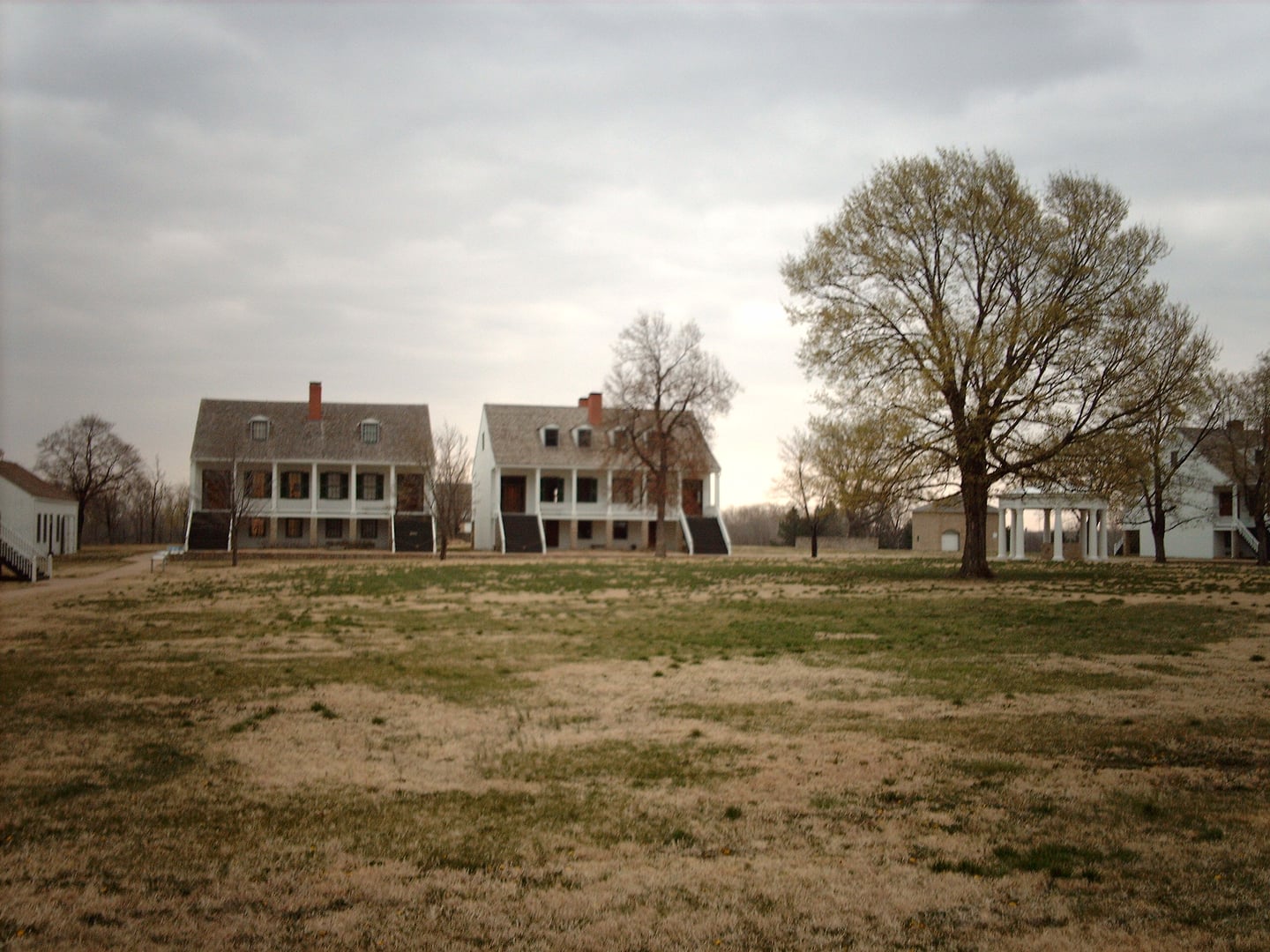
The 1709 Gideon Gilpin farmhouse served as Washington's headquarters during the battle. The surrounding grounds and nearby properties became the burial sites for soldiers killed in the fighting — multiple historical accounts describe mass graves in the fields surrounding the battlefield farmhouses.
Howe occupied Philadelphia sixteen days later. The Battle of Brandywine is today commemorated at the 50-acre state park, a National Historic Landmark. The park includes the Gilpin farmhouse, the Benjamin Ring house (used as a British headquarters), and interpretive trails along the battlefield terrain.
Sources
- https://en.wikipedia.org/wiki/Brandywine_Battlefield
- https://www.brandywinebattlefield.org/
Apparitions of wounded soldiersPhantom horses near the creekSound of crying child near mass gravesEVP recordings
Paranormal investigator Laurie Hull conducted documented investigation at Brandywine Battlefield and published her findings in 'Brandywine Valley Ghosts,' released in 2008. Hull's work at the site included EVP (electronic voice phenomenon) recordings and documented visitor account collection, making it one of the more formally researched battlefield hauntings in the Delaware Valley.
Visitor accounts compiled in paranormal surveys of the site describe apparitions of wounded soldiers in period dress appearing in and around the Gideon Gilpin farmhouse — figures that vanish when directly observed. Separate accounts describe the sound and visual impression of phantom horses crossing or near the Brandywine Creek at the ford where Knyphausen's force engaged the Continental center.
A third category of reports involves the sound of a crying child, localized to areas near where the mass graves were reportedly situated. No specific child fatality is identified in the historical record to explain this, and the account may represent folk accretion onto the documented history of civilian displacement and trauma during the battle.
The site's paranormal accounts are consistent with battlefield haunting traditions at sites of sudden mass death, and the documentary evidence from Hull's published work lifts the claims above purely anecdotal territory. Additional independent sourcing has yet to surface.
Media Appearances
- Brandywine Valley Ghosts (book, 2008)
Where this legend is told