Outdoor Exploration
Lower Macleay Trail Hike to the Stone House
Hike about 0.8 miles up the Lower Macleay Trail from the Upshur trailhead through old-growth-feeling forest to the moss-covered stone ruin.
- Duration:
- 1.5 hr
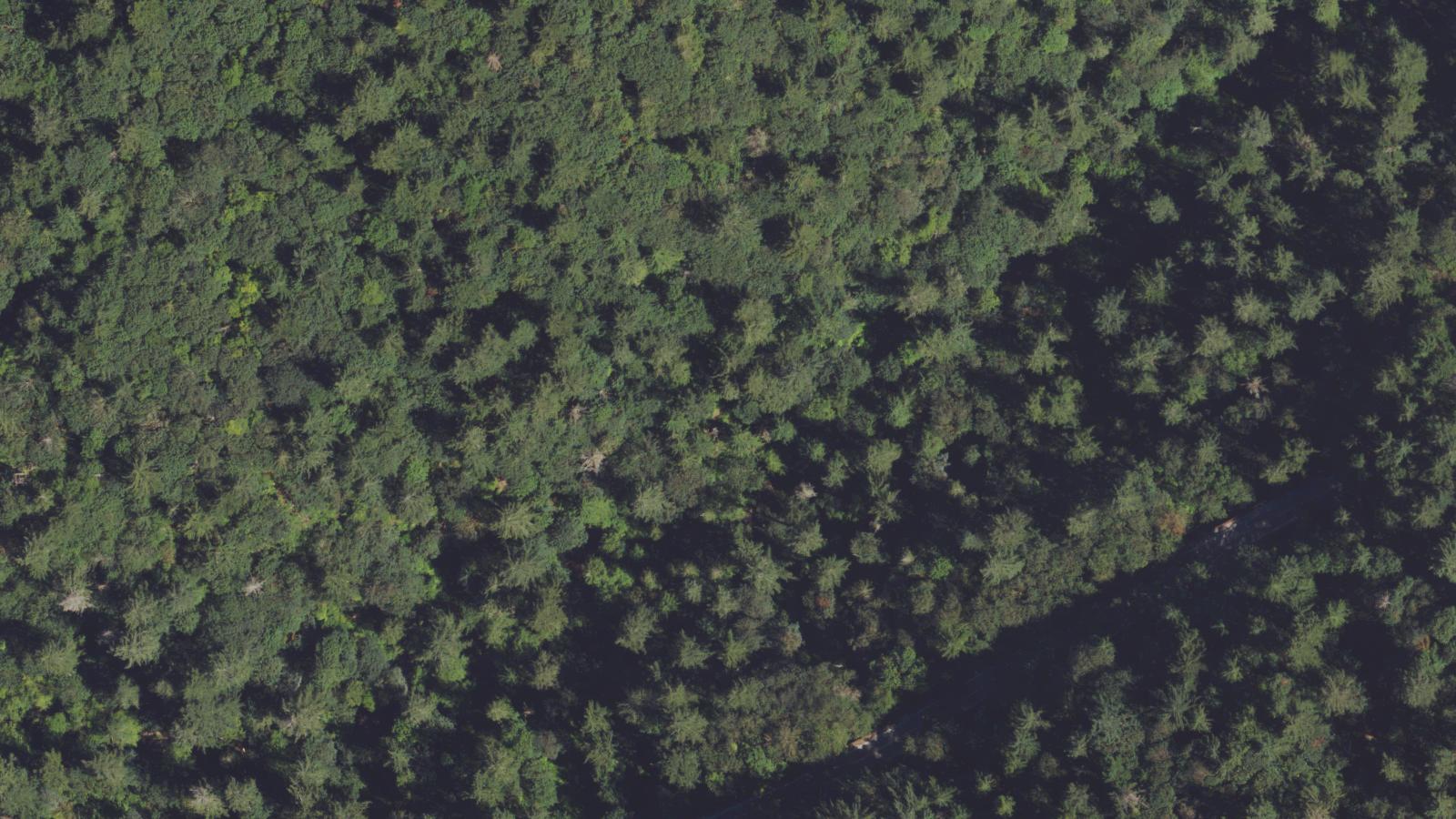 Aerial survey · USDA NAIP · public domain
Moss-covered ruin of a 1930s WPA-era park shelter on the Lower Macleay Trail in Portland's Forest Park, tied by local lore to the 1858 Balch-Stump murder and Oregon Territory's first legal execution.
Lower Macleay Trail, Forest Park, Portland, OR 97210
Research updated May 2026
Age
All Ages
Cost
Free
Free public access in Forest Park.
Access
Limited Access
Lower Macleay Trail: ~0.8 mi each way, mostly gentle grade but with uneven and at times muddy footing; the ruin sits at a trail junction.
Equipment
Photos OK
Est. 1936 · Macleay Park Shelter, designed by architect Ernest F. Tucker · Built by WPA crews in the mid-1930s · On land originally claimed by Danford Balch, executed in 1859 for the 1858 murder of Mortimer Stump · Abandoned after the 1962 Columbus Day Storm damaged the water line
The stone ruin now widely known as the Witch's Castle stands on the Lower Macleay Trail in Portland's Forest Park, on land that pioneer settler Danford Balch claimed in the 1850s. Balch became the central figure in one of early Oregon's most notorious criminal cases: on November 8, 1858, after a bitter dispute over his teenage daughter Anna's elopement with hired hand Mortimer Stump, Balch fatally shot Stump with a double-barreled shotgun on the deck of the Stark Street Ferry. After escaping custody and hiding in the woods on his claim, Balch was recaptured and hanged on October 17, 1859 — the first legal execution in the newly admitted state of Oregon (statehood: February 14, 1859). (https://en.wikipedia.org/wiki/Danford_Balch)
The Balch property eventually passed out of the family's hands. In 1897, Scottish-born Portland businessman Donald Macleay donated a portion of the surrounding canyon-land to the City of Portland on the condition that the city create a park; the parcel became Macleay Park, later incorporated into Forest Park, one of the largest urban forest parks in the United States.
The stone structure itself dates to 1929-1936. The Portland Bureau of Parks commissioned architect Ernest F. Tucker to design a small public toilet, pavilion, and storage building for Lower Macleay, and the structure was constructed by Works Progress Administration crews in the mid-1930s. The Columbus Day Storm of October 12, 1962, damaged the building's water line; the city opted not to fund repairs, and the shelter was abandoned. Over the following decades, weather, moss, and forest reclamation turned the roofless stone shell into one of Portland's most photographed ruins.
The 'Witch's Castle' nickname, according to Wikipedia and the Forgotten Portland local-history project, was coined in the 1980s by area high-school students who used the ruin as an after-dark hangout. The site sits a short hike from the Lower Macleay trailhead and is now a heavily visited stop on Forest Park outings.
Sources
The most widely retold legend connects the stone ruin to the 1858 Balch-Stump murder. According to Forgotten Portland and The Line Up's 'Gloomy Ghosts of the Witch's Castle' essay, area lore holds that the ghosts of settler Danford Balch and his son-in-law Mortimer Stump both linger on the land where Balch's homestead once stood, while Balch's widow, who continued to live on the property after his execution, is the 'witch' to whom the 1980s nickname is sometimes retroactively attached.
Reported phenomena are largely atmospheric. Visitors describe oppressive cold spots near the stone walls at dusk, the sense of being watched from the forest edge, faint voices or whispered conversation, and momentary glimpses of figures in nineteenth-century-style clothing moving among the trees (The Line Up; Portland-focused ghost-blogs). Several accounts emphasize a heaviness of feeling especially at twilight, when the moss-covered walls and the canyon's deep shade combine to mute external sound.
Most serious sources treat the connection between the murder and the modern ruin as folkloric overlay rather than historical claim. The actual Macleay Park Shelter was built more than seventy years after the killings, on land no longer in Balch family hands; the linkage is geographic rather than architectural. The 'witch' framing has also been criticized as a teen-coined gloss that overshadows the documented historical tragedy. We present the legend in that context: a real and consequential nineteenth-century crime occurred on the broader site, and the ruin has accumulated more than four decades of folkloric attachment to that history.
Notable Entities
Media Appearances
Hike about 0.8 miles up the Lower Macleay Trail from the Upshur trailhead through old-growth-feeling forest to the moss-covered stone ruin.
Some links on this page may earn HauntBound a small commission when you book, at no extra cost to you. Our editorial picks are independent. Full disclosure
Every HauntBound history is researched from documented sources. We clearly separate verified historical fact from paranormal folklore.
Free Guide
11 verified stops, rated for families, mapped in order. Free.
One email to confirm, then the guide link. Unsubscribe anytime.
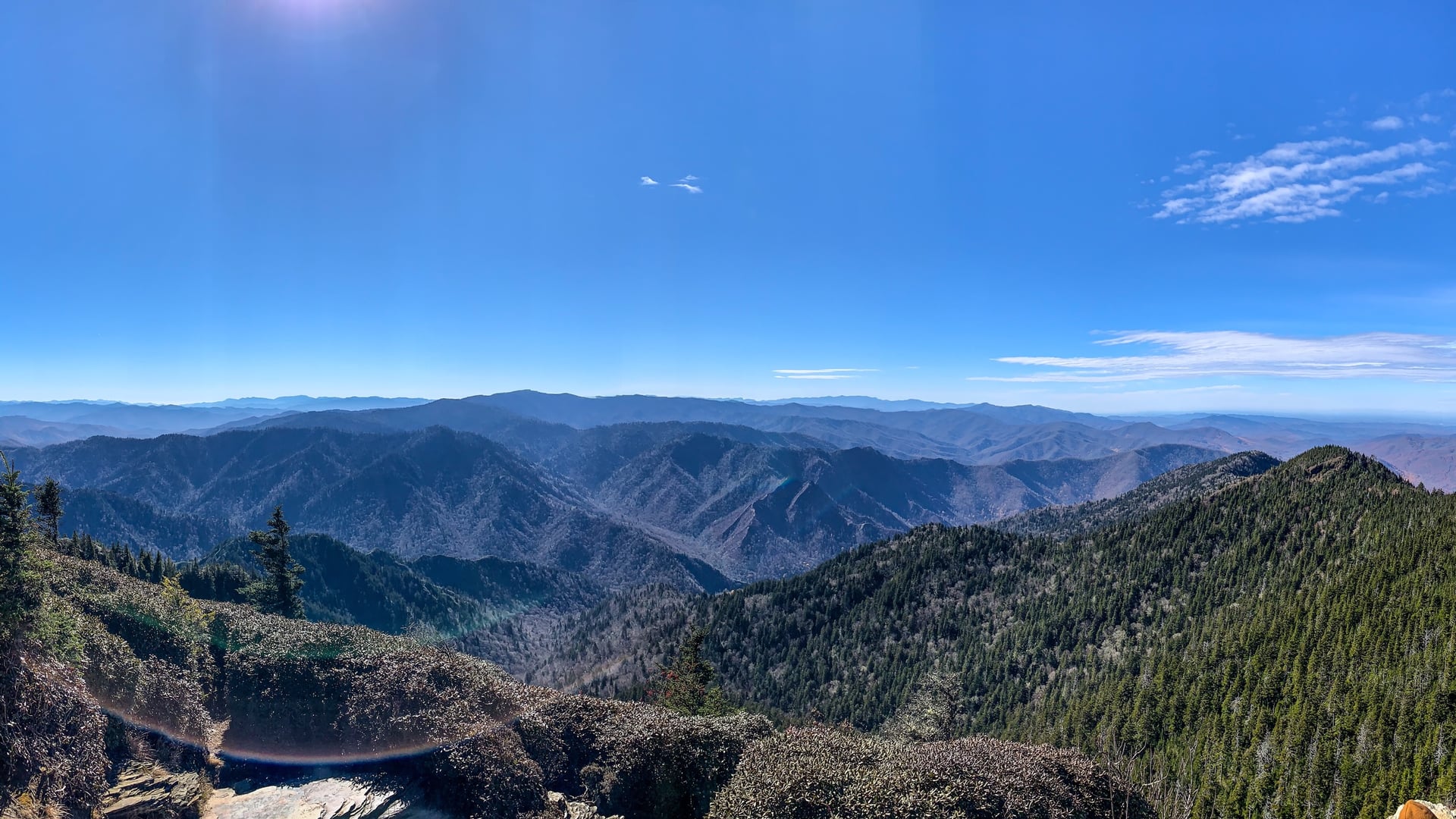
Gatlinburg, TN
Great Smoky Mountains National Park preserves 522,427 acres of southern Appalachian terrain across Tennessee and North Carolina. The land was the heart of the Cherokee Nation before forced removal in 1838 along what became the Trail of Tears, and home to Appalachian Scots-Irish and English settler communities through the early twentieth century. Congress authorized the park in 1926; it was formally dedicated by Franklin D. Roosevelt on September 2, 1940.
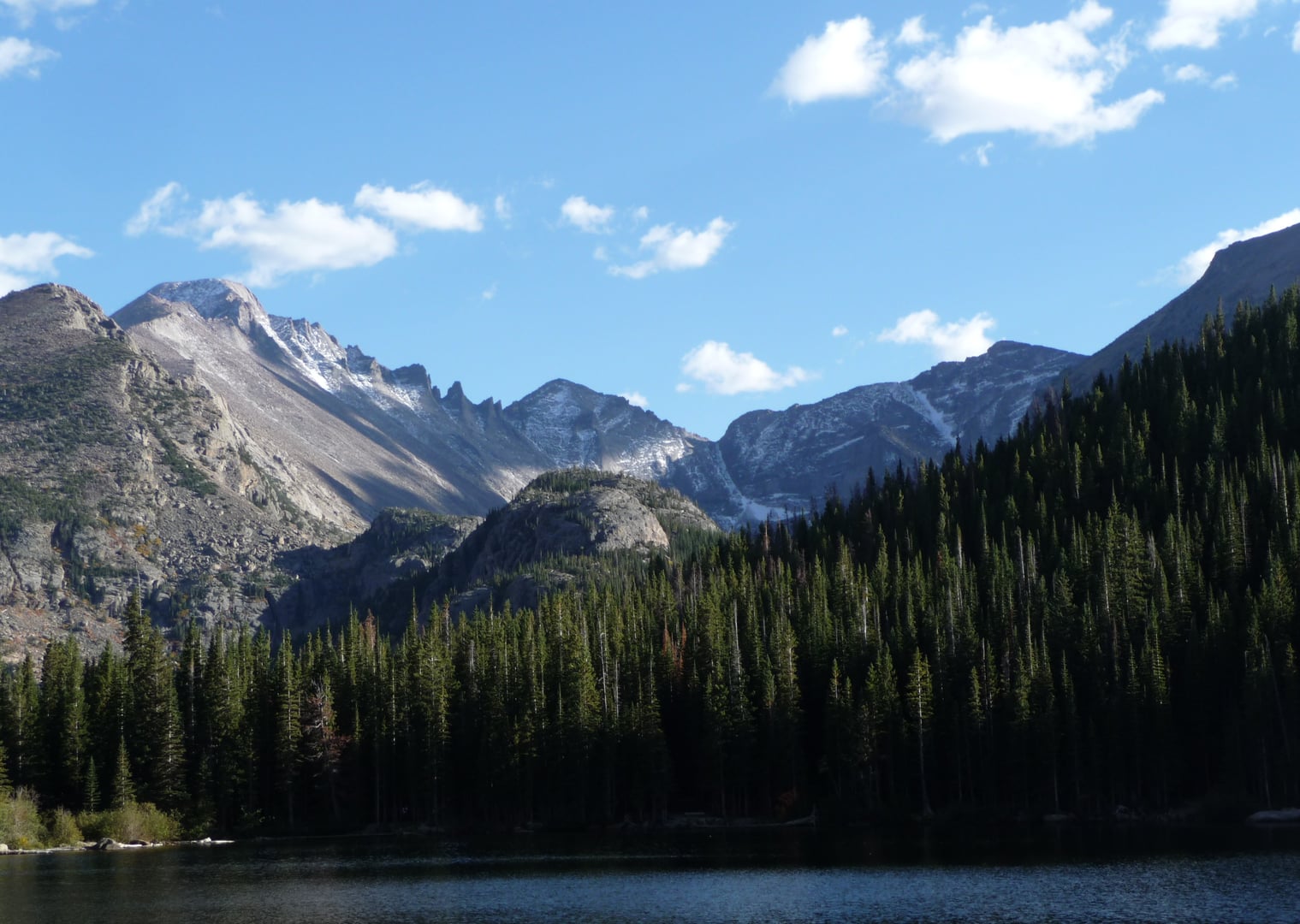
Estes Park, CO
Rocky Mountain National Park, established by President Woodrow Wilson on January 26, 1915, preserves 415 square miles of Front Range Colorado including Trail Ridge Road, Longs Peak, and the headwaters of the Colorado River. The park's Ute and Arapaho heritage is documented in oral tradition and in early settler accounts including the Legend of Grand Lake.
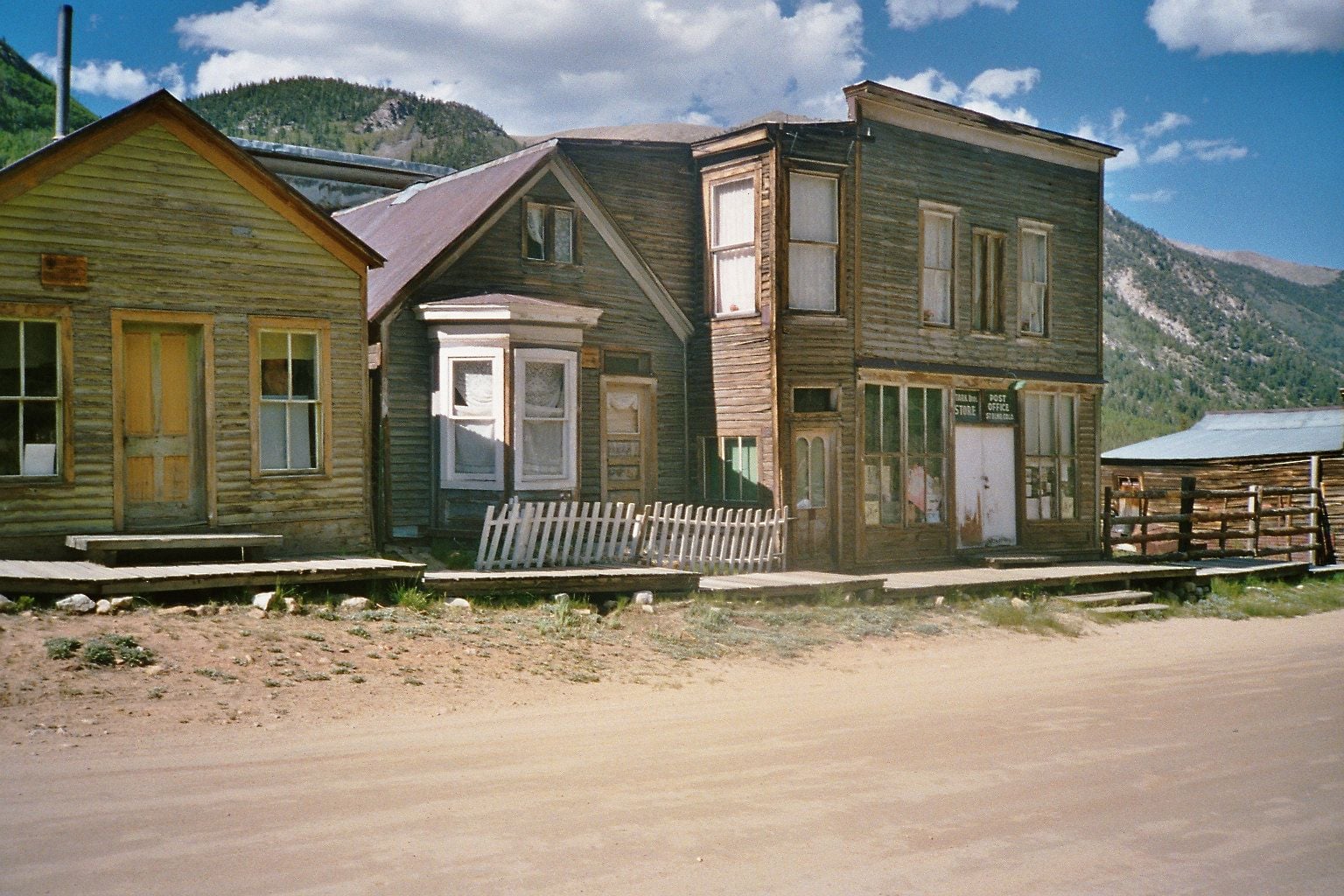
Nathrop, CO
St. Elmo, founded in 1880 in the Sawatch Range of central Colorado, reached a peak population approaching 2,000 during the silver and gold boom of the 1890s. The town has been continuously occupied since but never resettled at scale; surviving structures make it one of Colorado's best-preserved ghost towns.