Est. 1900 · National Register of Historic Places (1988) · Pugh & Gray Romanesque Revival Design · Independent Order of Odd Fellows Lodge Hall · Historic Salem Opera House
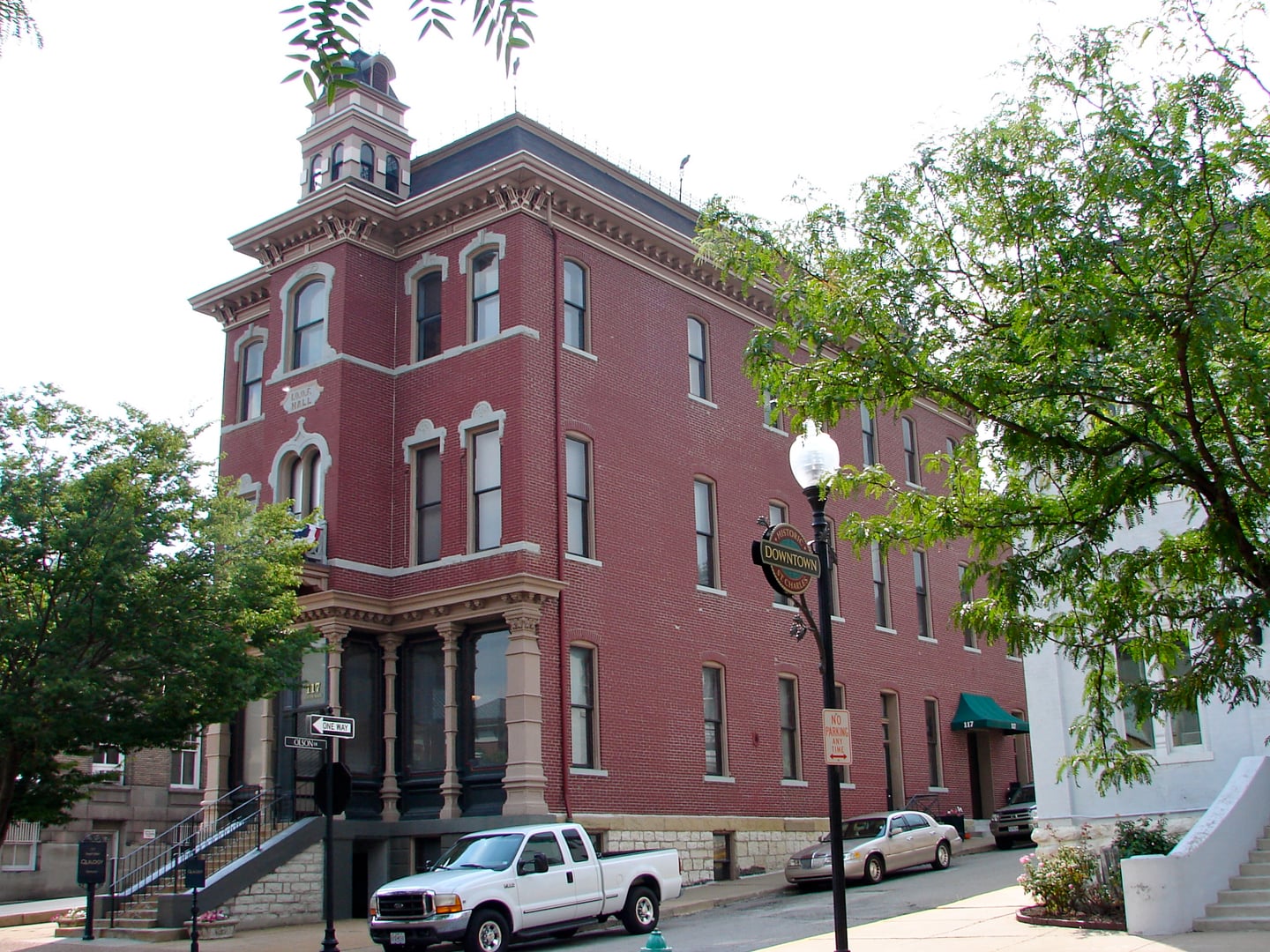
The Grand Theatre was built in 1900 by Chemeketa Lodge No. 1 of the Independent Order of Odd Fellows as a combined fraternal lodge hall and public opera house. Designed by Salem-area architects Pugh & Gray in Romanesque Revival style, the three-story brick structure originally included a bell tower (since removed) and occupies a prominent downtown block at 185-195 High Street NE.
The theater opened on November 29, 1900 with a performance by the Julius Grau Opera Company. An annex housing a hotel and bus terminal was added in 1921 along the same block. Through the 20th century the building served variously as a lodge meeting space, performance venue, and commercial property.
The Chemeketa Lodge No. 1, Odd Fellows Buildings was listed on the National Register of Historic Places in 1988, recognizing its significance both architecturally and as a long-running social and cultural anchor in downtown Salem.
Before the current closure, the venue's operations were split between daytime/year-round performing-arts programming — concerts, theater, and private events run by To The Ceiling Entertainment from the 402-seat house (288 main floor, 114 balcony) — and the seasonal 'Ghosts of the Grand' haunted attraction and ghost-hunt program, which had run since 2024 and used the building's basement and lower-floor spaces.
In late August 2026 the theatre's operator left and every scheduled event was canceled. The owner said he hopes to reopen the building, but no date had been set as of September 2026.
Sources
- https://en.wikipedia.org/wiki/Salem%27s_Historic_Grand_Theatre
- https://www.salemreporter.com/2025/10/22/meet-the-ghosts-of-salems-historic-grand-theatre/
- https://www.salemreporter.com/2024/10/21/ghosts-of-the-grand-is-salems-newest-haunted-house-experience/
- https://www.kptv.com/2026/09/08/salems-grand-theatre-closes-performers-claim-promoters-failed-pay-them/
EMF spikesSpirit-box responsesObject manipulationEquipment malfunctionsTemperature changesSensed presence
Paranormal documentation at Salem's Historic Grand Theatre is anchored by two Salem Reporter features — an October 2024 announcement of the Ghosts of the Grand program and a follow-up October 2025 investigation feature — alongside materials from the venue's own ghost-hunt program.
The most-cited site is a basement room described as having been connected, decades ago, to Salem's downtown underground tunnels. Investigators with the Ghosts of the Grand team report repeated EMF spikes in that room without identifiable electronic sources, spirit-box responses that include words associated with fire, and camera and phone malfunctions. The investigators have proposed a connection to several major fires that swept through downtown Salem in the 20th century, though no specific deceased individual has been named.
Reported phenomena include a metal sign on the balcony observed moving on its own, frequent and sudden changes in ambient temperature, and a spirit-box phrase that, on one occasion, returned the full first name of an investigator. Staff and tour participants describe the lower levels as 'oppressive' or heavy-feeling, distinct from the upper auditorium and balcony.
No specific named ghost has been documented in the Salem Reporter coverage, which is the strongest source on the building's lore. The well-documented history as an Odd Fellows lodge and downtown performance venue is the historical anchor.
Media Appearances
- Salem Reporter, 'Meet the ghosts of Salem's Historic Grand Theatre' (October 2025)
- Salem Reporter, 'Ghosts of the Grand is Salem's newest haunted house experience' (October 2024)