Est. 1859 · National Register of Historic Places · Eugene's first chartered cemetery (1859) · Burial place of city founder Eugene Skinner and artist Maude Kerns · Egyptian Revival Hope Abbey Mausoleum (Ellis F. Lawrence, 1914)
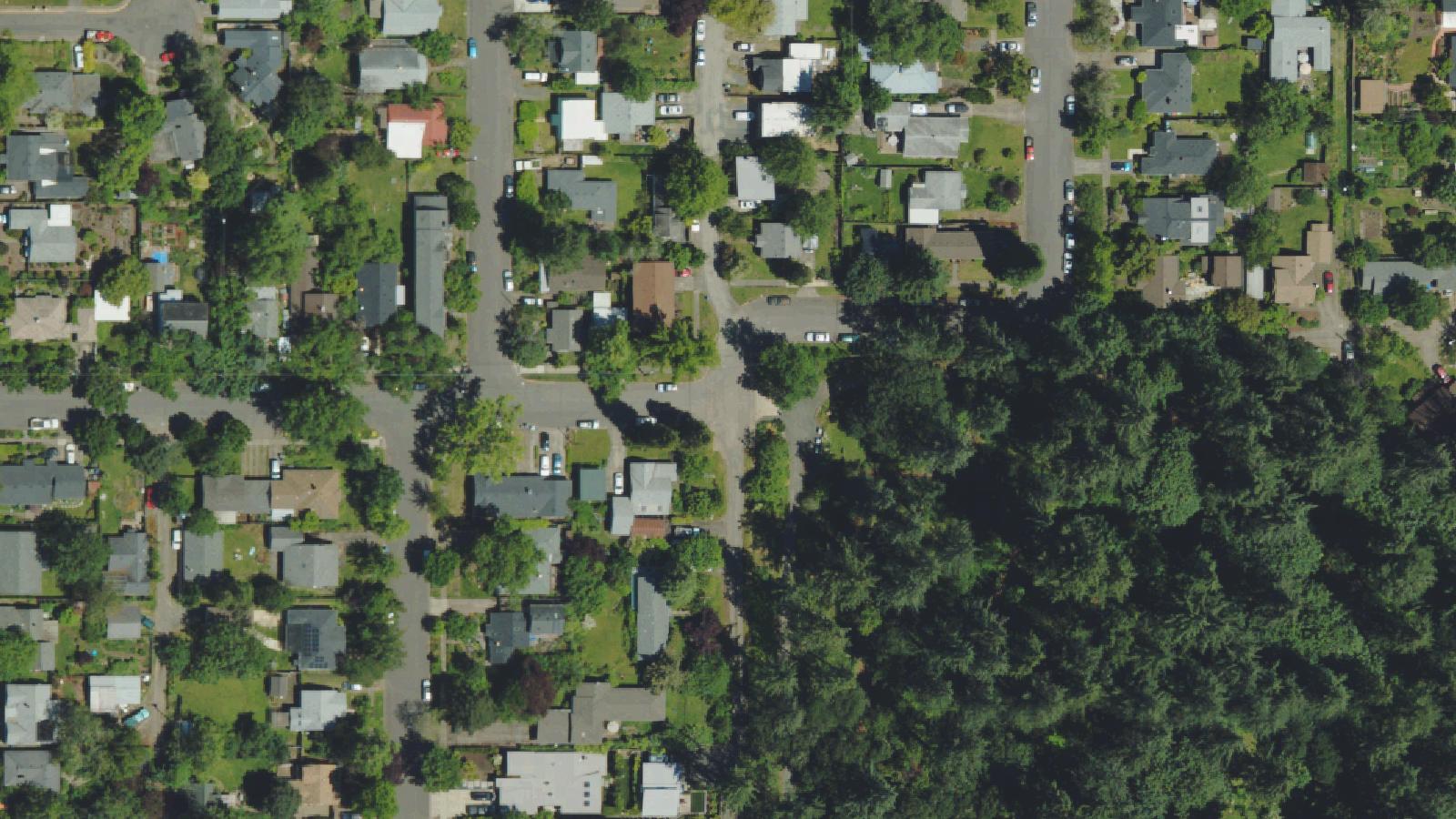
Eugene Masonic Cemetery was established in 1859, making it Eugene's first chartered cemetery. The land, roughly ten acres, was purchased by city founder Eugene Skinner, who is himself buried there along with other early Eugene figures. Among the notable interments is Maude Kerns, the artist and educator who became the first head of the art education department at the University of Oregon in 1921 and whose name lives on at the Maude Kerns Art Center.
The cemetery's most distinctive structure is the Hope Abbey Mausoleum, set in the southwest corner of the grounds. It was designed in the Egyptian Revival style by Eugene architect Ellis F. Lawrence and dedicated in 1914, with a massive entrance archway, papyrus-bundle relief, and lotus-leaf urns flanking copper-clad doors. Since the mid-1990s, Hope Abbey has been substantially rehabilitated, gaining a new roof, drainage, an accessible front porch, and electrical service.
The Eugene Masonic Cemetery and Hope Abbey are listed on the National Register of Historic Places, and the site remains an active, operating cemetery. A nonprofit organization stewards the grounds, restoring and interpreting them as a cultural and natural resource and offering occasional public walking tours.
Sources
- https://en.wikipedia.org/wiki/Eugene_Masonic_Cemetery
- https://eugenemasoniccemetery.org/
- https://eugenemasoniccemetery.org/index.php/about-us/mausoleum/
Fleeting apparitionsSensed presence near Hope Abbey MausoleumPhotographic and audio anomalies reported by enthusiasts
The Eugene Masonic Cemetery's haunted reputation centers on the Hope Abbey Mausoleum, which regional roundups of the area's haunted places name as the cemetery's most active location. The reports are the kind a quiet old hillside cemetery tends to accumulate: visitors who come to pay respects describing fleeting figures that appear and disappear among the markers, and a general sense of being watched near the mausoleum's Egyptian Revival doors.
Paranormal hobbyist accounts add claims of photographic anomalies, recorded voice phenomena, and unexplained temperature shifts logged around the grounds. These are enthusiast reports rather than documented investigations, and no specific identifiable person is named as the source of the activity.
The verifiable strength of the site is its history: the 1859 founding, the prominent pioneers buried there, and the architecturally significant mausoleum. The haunting is the lore that history attracts, and the cemetery is best approached as the active, stewarded burial ground it remains, with respect for the families whose relatives rest there.
Where this legend is told