Est. 1837 · National Historic Landmark · Akron Founding Family Residence · Greek Revival Frontier-Era Stone Architecture · Summit County Historical Society Museum Since 1945 · Earliest Documented Paranormal Accounts 1955
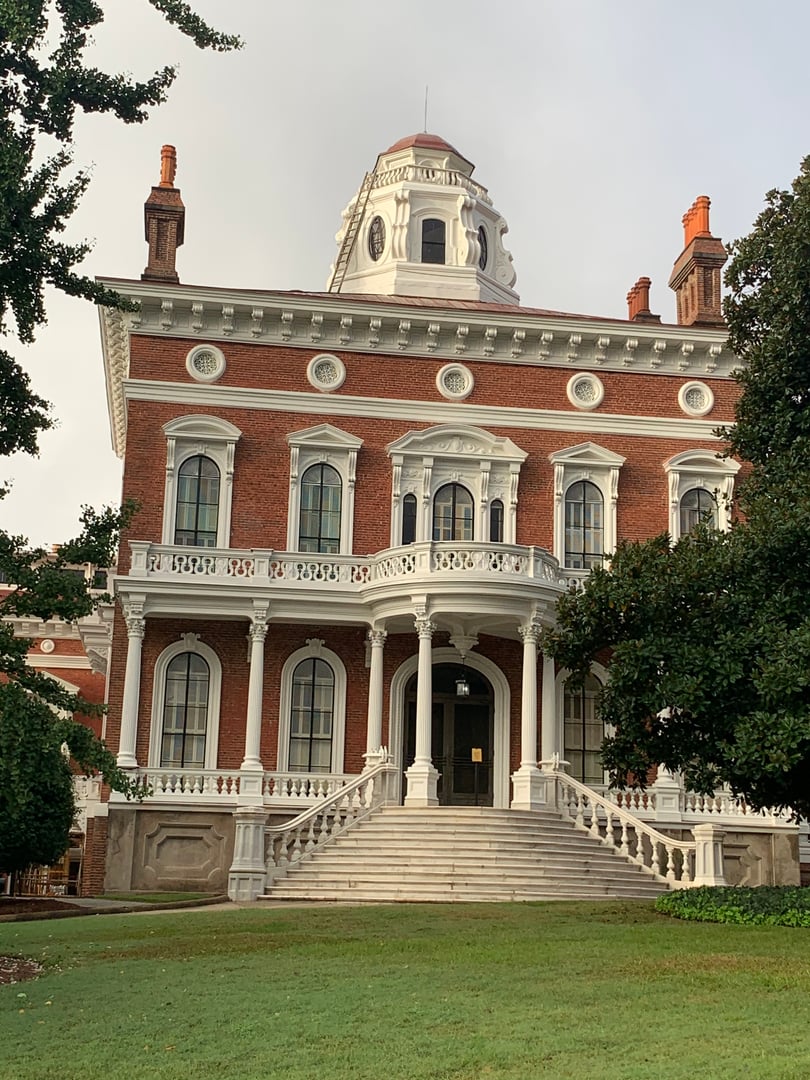
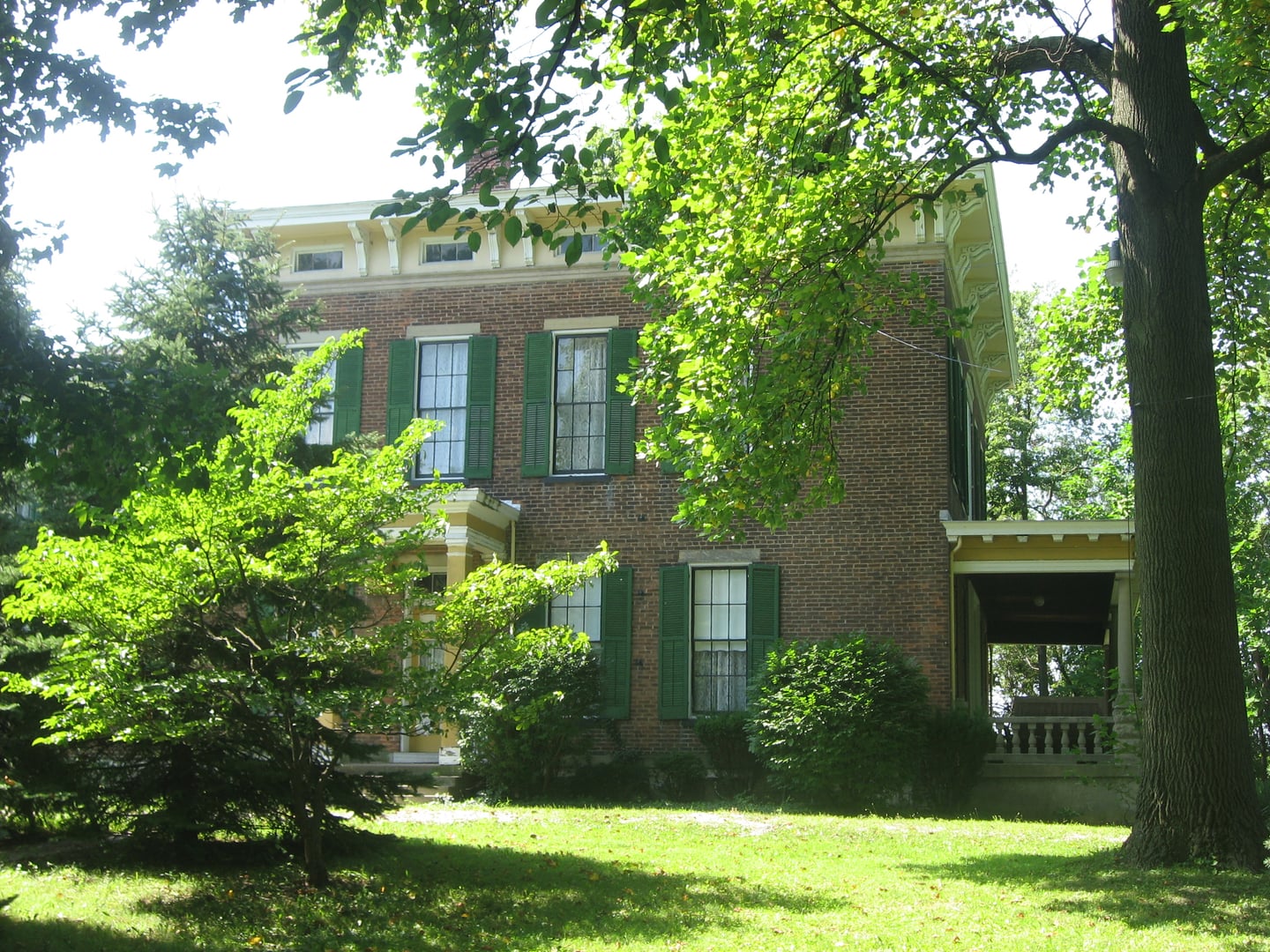
General Simon Perkins Sr. was one of the founding proprietors of Akron, Ohio, having purchased the land that would become the city in 1825 through the Ohio Canal Company. His son, Colonel Simon Perkins Jr., built the stone mansion at 550 Copley Road in 1837 as his family residence — a substantial Greek Revival structure with stone masonry that distinguished it from the frame buildings common in frontier Ohio towns.
The mansion remained in private hands through the nineteenth and early twentieth centuries, passing through several generations of the Perkins family before the Summit County Historical Society acquired it in 1945. The Society opened it as a house museum, preserving the period rooms and furnishing them with nineteenth-century antiques. Among the specific rooms documented in historical accounts is the Alexander Room — named for a subsequent occupant — which has been the site of the most consistently reported paranormal activity.
The Akron-Summit County Public Library hosted an official program on the mansion's paranormal history, drawing on decades of accounts collected by the historical society. The building is a National Historic Landmark, recognized for its significance in Ohio's early settlement period and its association with the Perkins family's role in Akron's founding.
Sources
- https://www.summithistory.org/perkins-stone-mansion
- https://anomalien.com/the-haunted-perkins-stone-mansion-akron/
- https://services.akronlibrary.org/event/11387829
Self-rocking chair in the Alexander RoomFemale apparitions on the main staircasePersistent scent of baby powder with no identifiable sourceUnexplained sounds in period rooms
What distinguishes the Perkins Stone Mansion's paranormal record from most historic house ghost stories is documentation: the earliest account is specifically dated to 1955, ten years after the historical society acquired the property. This allows for a baseline — whatever is being reported started after the building became a public museum and has continued for seven decades.
The three most cited phenomena are specific enough to track. The Alexander Room chair rocks without external cause — a common ghost-story element, but consistent here across multiple witnesses and decades. Apparitions reported on the main staircase are described as female figures, attributed by staff to Grace Perkins or Martha Alexander, both of whom lived in the house during its residential period. The scent of baby powder, reported in various rooms with no identifiable source, is the most unusual of the three and appears in multiple independent accounts.
The Akron-Summit County Public Library hosted an official event covering these stories, drawing on the historical society's accumulated records. Anomalien.com documents the 1955 baseline and the specific attribution to Grace Perkins and Martha Alexander by name. Neither woman's death was documented as traumatic — these are residual-presence accounts rather than tragedy-anchored hauntings.
Notable Entities
Grace Perkins (former occupant)Martha Alexander (former occupant)