Crawford County History · Victorian Funerary Practice
New Washington is a small community in Union Township, Crawford County, Ohio, situated on Route 602 in the agricultural landscape between Cleveland and Columbus. Crawford County's settlement history follows the pattern of other north-central Ohio counties — cleared forest, farming communities, and the small villages that serviced them through the 19th and early 20th centuries.
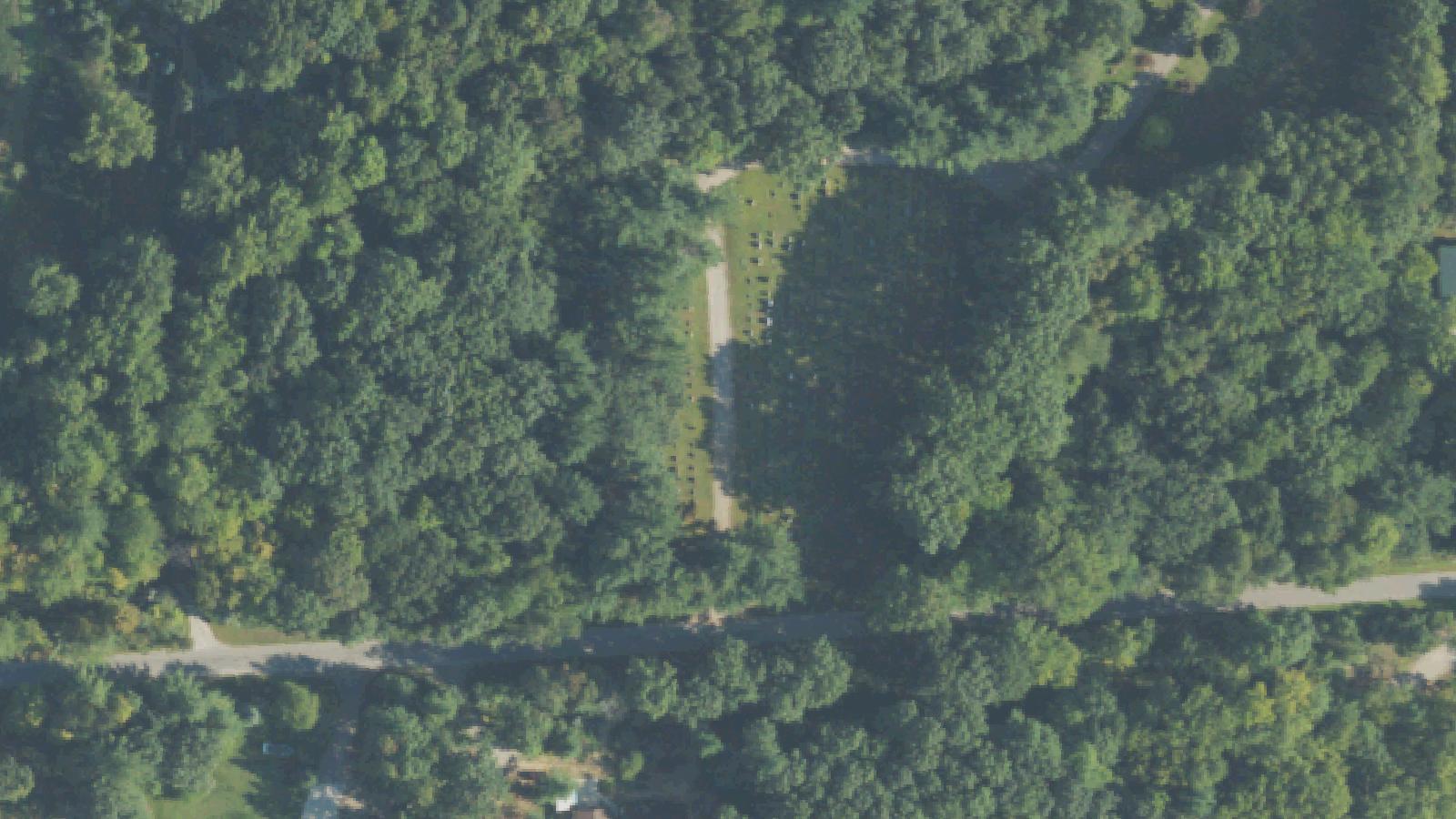
Union Cemetery near New Washington contains grave markers spanning multiple generations of the local community. Among them is a tombstone with a photographic portrait inset — a practice common in late 19th and early 20th century funerary culture, particularly in working-class and immigrant communities where ceramic or enamel photo medallions preserved the image of the deceased on the marker.
The Shadowlands entry attributed the town's founding to George Washington Carver, the agricultural scientist. This is historically inaccurate — Carver was born in Missouri and spent his professional career in Alabama. The actual history of New Washington's founding and the identity of notable local figures buried in the cemetery has not been established in the sources surveyed for this entry.
Sources
- https://www.ohioexploration.com/paranormal/hauntings/crawfordcounty/
- https://hauntedhocking.com/Haunted_Ohio_Crawford_County.htm
ApparitionsResidual haunting
The legend at Union Cemetery operates on the specific and verifiable: a tombstone with a photographic portrait inset, a necklace visible in the photo, and the claim that both change when the stone is approached after dark.
Photographic memorial medallions were a Victorian technology with a straightforward commercial history. An enamel or ceramic disc, fired with the photographic image, was embedded in the marker. The image was fired to last indefinitely. The claim that the expression changes and the necklace moves is a piece of late-night cemetery folklore attaching to a real, specific object — which is precisely the kind of concrete anchoring that gives legends longevity. Visitors who know the story arrive looking at the face. The mind, alert for change, will often find it.
A large statue near the cemetery entrance is described in accounts as producing prickling at the back of the neck — a sensation attributed to the statue's presence even in daylight. The statue is described as a memorial figure of a Mrs. Kline, though this identification has not been verified.