Est. 1856 · Civil War Era Ohio Mining · Vinton County History · Ohio Ghost Towns
Moonville existed as a railroad and mining community in southeastern Vinton County from the mid-1850s through the mid-twentieth century. The surrounding region yielded coal and clay, and the community supplied materials that fed the Civil War's industrial demands. The cemetery accumulated the burials of residents across these decades — ordinary people who lived and died in an economically marginal community built around resource extraction.
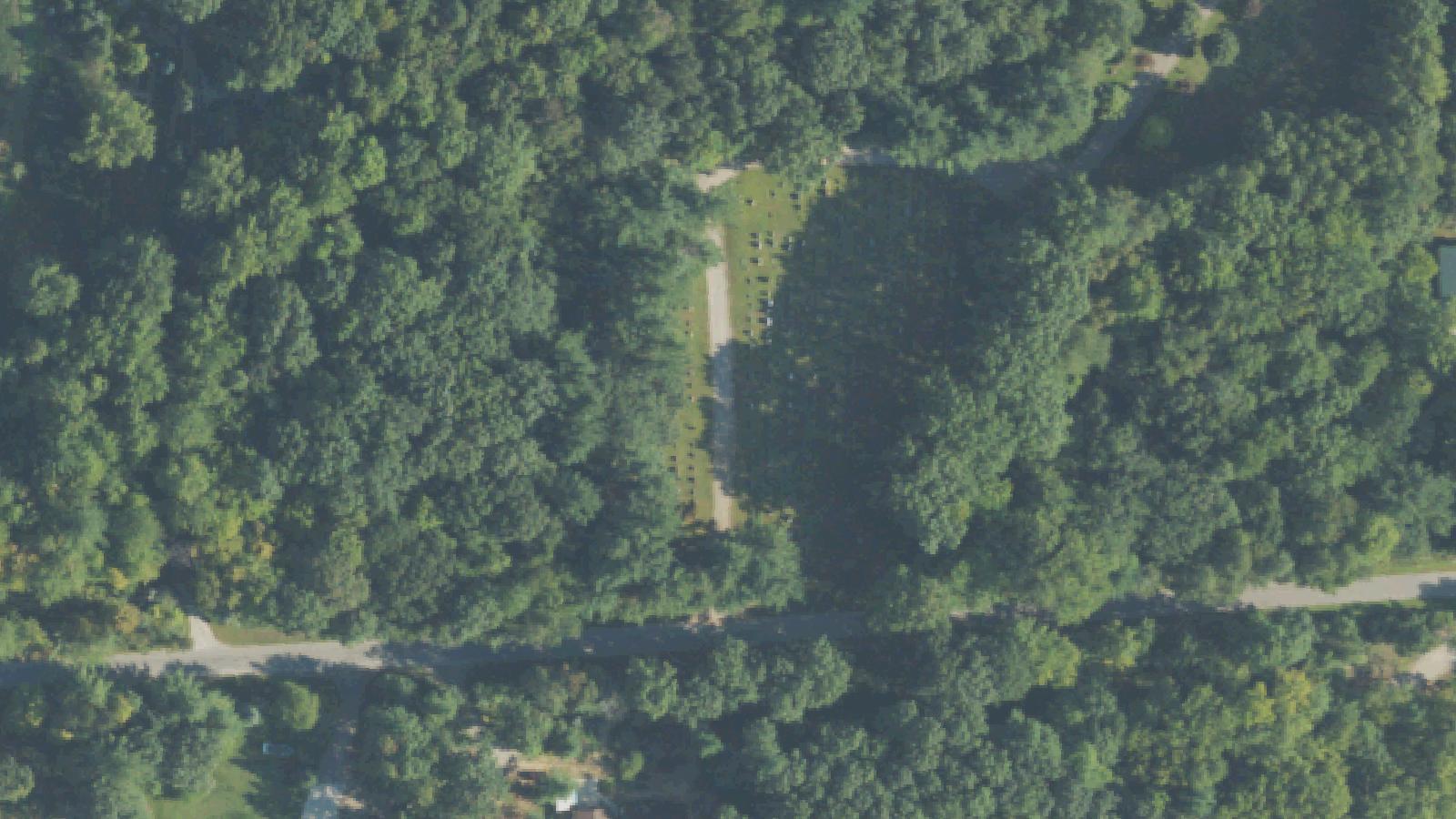
The graveyard is accessible from Lawrence Road, which runs through what was once the town. A path through the woods on the right side of the road leads to the burial ground. As of available reporting, at least 13 headstones remain, though vandalism and environmental damage have reduced the number of legible markers over time.
Moonville's most famous physical remnant is the railroad tunnel located nearby, which carries its own distinct and better-documented folklore. The cemetery and the tunnel together constitute what draws visitors to this stretch of the Zaleski State Forest.
Sources
- https://www.moonvilletunnel.net/The_Moonville_Cemetery.htm
- https://en.wikipedia.org/wiki/Moonville,_Ohio
Phantom soundsDisembodied screamingResidual haunting
The reports from the Moonville graveyard describe a specific and consistent set of nocturnal phenomena: screaming, the sound of drums being struck, and what witnesses describe as loud, proximate breathing — all without any visible source.
These are residual-type accounts: repetitive, non-interactive, and apparently location-anchored. They don't suggest a figure responding to visitors but rather sounds that play in a particular place after dark.
The broader Moonville area has produced some of Ohio's best-documented railroad ghost traditions, centered on the tunnel a short walk from the cemetery. The Engineer — whose 1880 death in a crash is confirmed by period newspaper reports — is the most historically grounded of Moonville's named apparitions. The Bully, believed to be Baldie Keeton, a resident found dead on the tracks under suspicious circumstances, adds a crime dimension to the tunnel's folklore.
The cemetery's sounds, by contrast, haven't been attached to named individuals. The association with Civil War burials gives the site historical weight without requiring specific attribution.