Est. 1848 · Ohio Canal History · Wild River Designation · Covered Bridge Heritage · 19th-Century Industrial Infrastructure
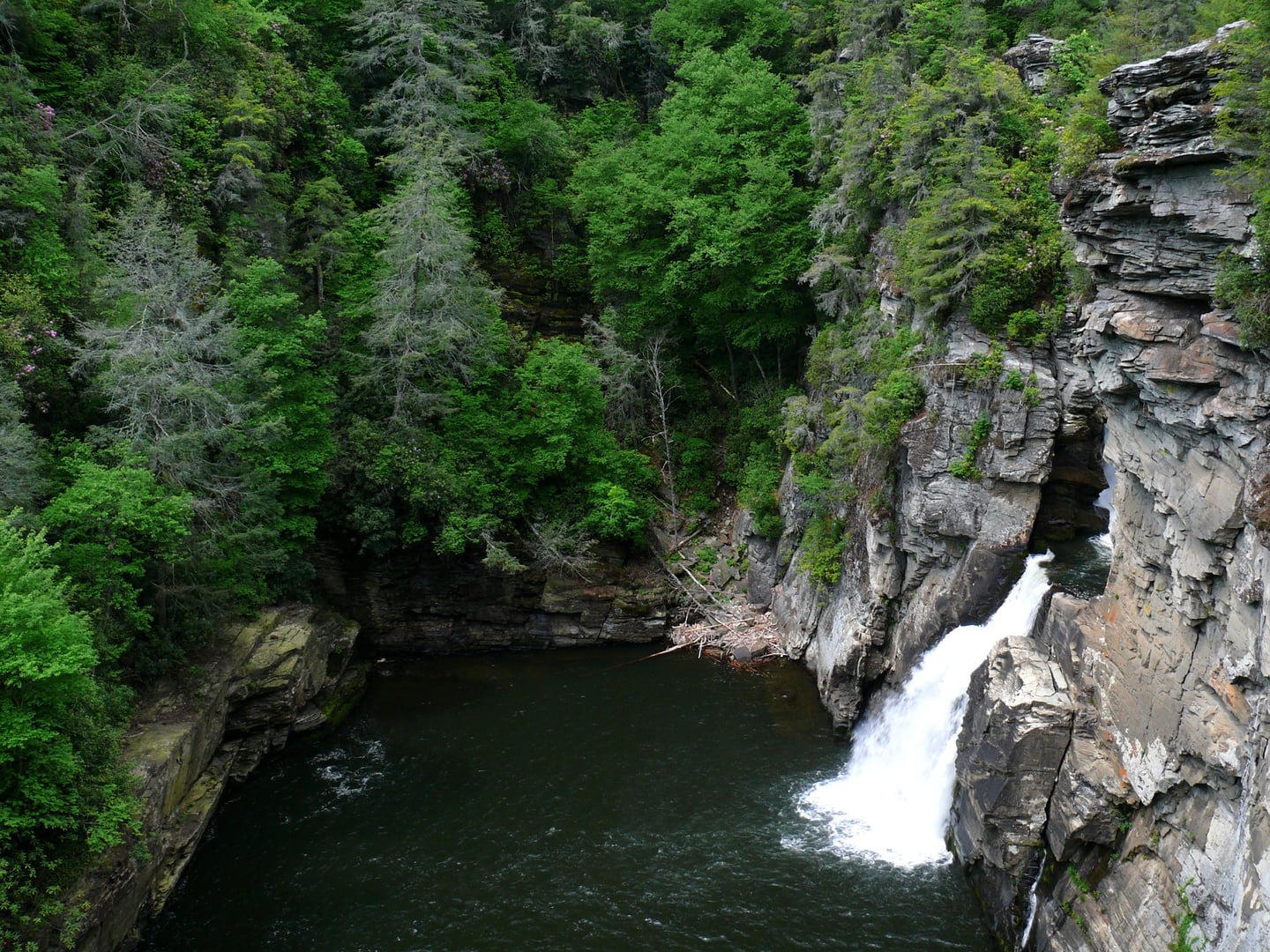
Little Beaver Creek in Columbiana County was designated Ohio's first wild river on January 15, 1974 — a recognition of its ecological character and the relatively undisturbed nature of its valley. The designation protects the creek and its riparian corridor.
The deeper historical layer along the creek belongs to the Sandy and Beaver Canal, completed in 1848. This engineering project was one of the most ambitious in the Ohio canal era: 30 dams, 90 locks, and 2 tunnels connecting the Ohio River at Bolivar to the Ohio-Erie Canal near Bolivar in Stark County, routing through Columbiana County via Little Beaver Creek's valley. The canal was intended to provide an inland water route for coal and agricultural products from the eastern Ohio hill country.
The canal era was short-lived — the railroads supplanted canal traffic throughout Ohio in the 1850s and 1860s — but the physical infrastructure survived: lock walls, towpaths, dam foundations, and the named locks that have become part of the local geography. Lusk's Lock and Gretchen's Lock are two such named features along the Little Beaver Creek corridor.
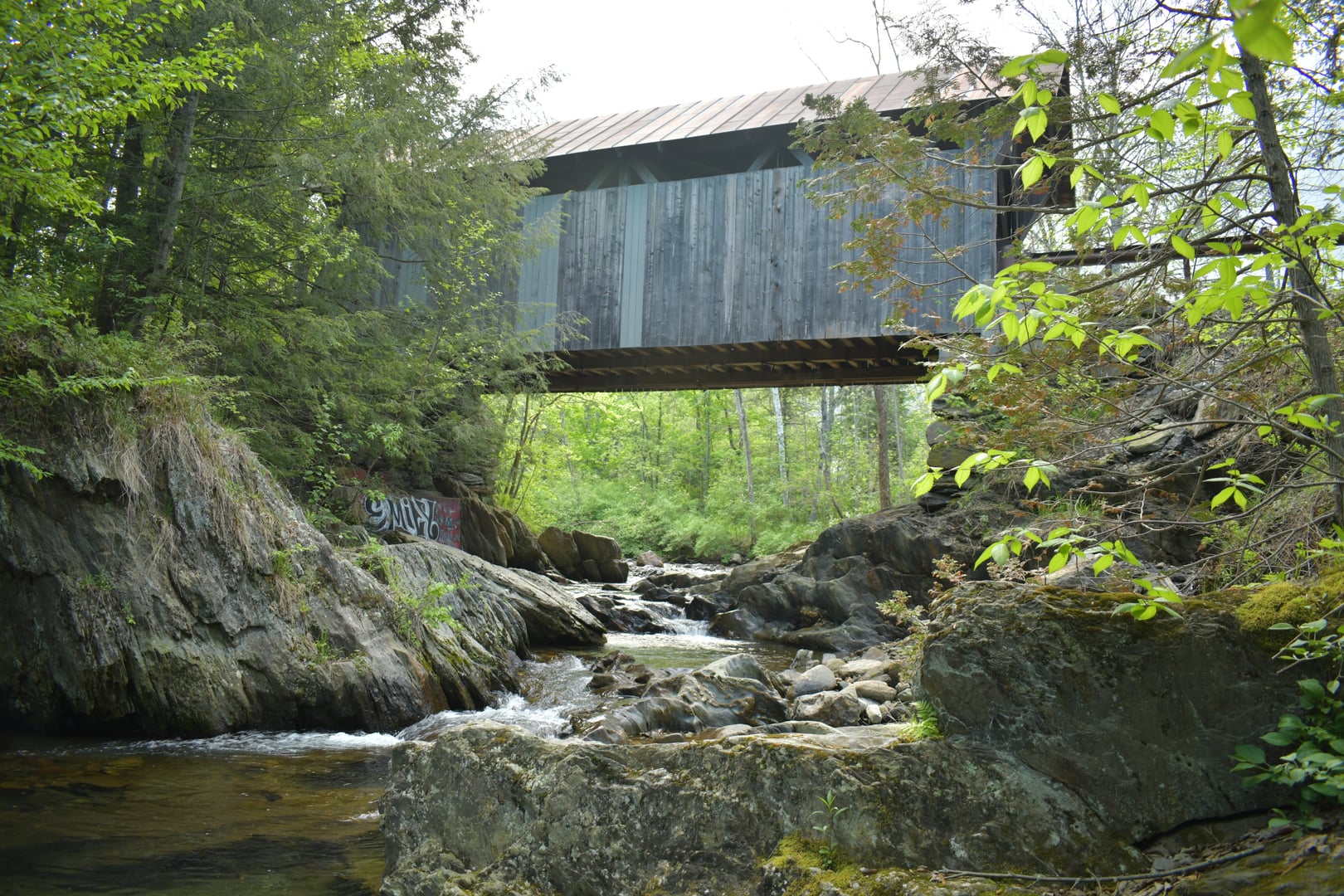
Columbiana County's five covered bridges were all restored and remain standing, drawing heritage tourism to the area. The Church Hill Road Bridge, built in 1870 as a covered Kingpost through-truss, carries the distinction of being the shortest covered bridge on a public highway in the United States, with a clear span of 19 feet and 3 inches, spanning Middle Run in Elkrun Township.
The city of Lisbon is the county seat of Columbiana County, located approximately 20 miles south of Youngstown.
Sources
- https://www.ohioexploration.com/paranormal/hauntings/columbianacounty/
- https://www.visitcolumbianacounty.com/?page_id=5344
- https://www.hmdb.org/m.asp?m=206008
- https://ohiodnr.gov/go-and-do/plan-a-visit/find-a-property/little-beaver-creek-wild-and-scenic-river
ApparitionsPhantom soundsResidual haunting
The Little Beaver Creek corridor has accumulated ghost accounts across multiple sites — the canal infrastructure left behind a geography of named places, and named places attract named stories.
The covered bridge account is the most dramatic in staging. A figure in white, described as hideous and dressed in tattered white satin and lace — a wedding dress, by implication — appears on the bridge over Beaver Creek. Local accounts say she waits there each year on August 12, looking for her bridegroom. The date specificity is unusual, and the recurring nature of the account places it in the category of anniversary or calendar-bound folklore, a pattern common in Victorian-era tragedy legends.
Lusk's Lock, part of the 1848 Sandy and Beaver Canal infrastructure, carries an account of a worker who died at the lock during operation or maintenance and is still seen walking its walls in his work clothes. Canal workers operated under dangerous conditions — lockage operations involved moving water, heavy gates, and boats under significant momentum.
At the Church Hill Road Bridge, a nearby church has been reported to have its organ playing when viewed through the windows at night. The organ detail recurs in several separate accounts of the bridge area.
The original Shadowlands entry for this location notes 'strange sounds and ghosts' at the bridge over Little Beaver Creek in Lisbon without further specificity. The more detailed accounts come from Columbiana County paranormal collections and the Ohio Exploration Society's documentation of regional legends.
Notable Entities
Woman in white wedding dress on covered bridgeCanal worker at Lusk's Lock