Est. 1871 · Victorian Architecture · Akron Industrial History · University of Akron Heritage · Preserved House Museum
John Henry Hower relocated from Doylestown, Ohio, to Akron in 1865 with his wife Susan Youngker Hower, drawn by the industrial opportunities concentrating in the Cuyahoga Valley. Within a decade, he had established himself in milling, reaping, and the cereal processing industries that were reshaping northeastern Ohio's economy.
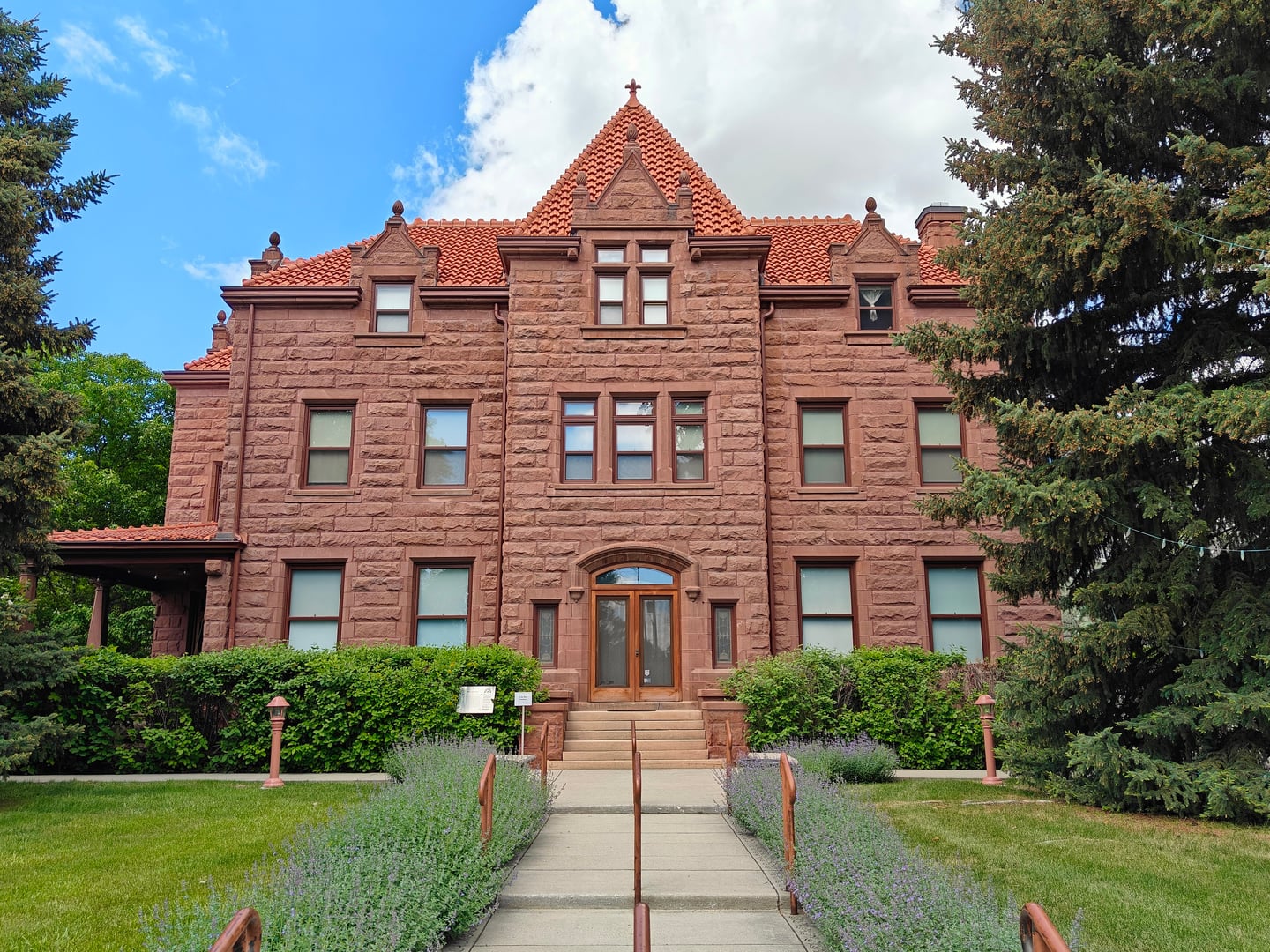
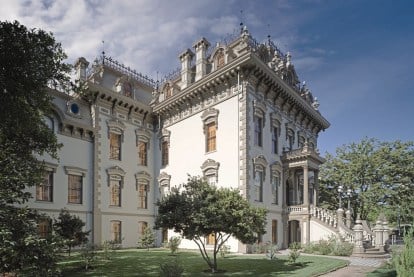
The mansion he commissioned in 1871 at what is now 60 Fir Hill reflects that success. Twenty-eight rooms occupy a Second Empire structure capped with a characteristic mansard roof and a soaring corner tower — a design vocabulary popular among American industrialists in the post-Civil War decades who wanted buildings that communicated both prosperity and taste. The interiors retain original furnishings and decorative elements.
The Hower family lived in the house continuously for a century, an unusual span for a single-family occupancy in an American city. The last family member, Grace Hower, willed the entire estate to the University of Akron in 1973. The university has operated it as a historic house museum since then, offering public tours on a regular schedule.
A separate structure on the same property — dating to 1889, built originally as servant quarters for the mansion — was later acquired by the Tau Kappa Epsilon fraternity chapter at the University of Akron. The TKE house is private fraternity property and is not open to the public.
In 2010, a 1900 letter from John Henry Hower to his son Milton Otis surfaced in family documentation. In it, Hower describes lights his late wife Susan had witnessed appearing in her bedroom — lights visible only to her, which his son Milton had also begun to notice. The letter predates the paranormal framing that would later attach to the property, making it an unusual primary document in the mansion's archival record.
Sources
- https://howerhouse.uakron.edu/
- https://interestingakron.wordpress.com/2010/10/31/the-possibly-haunted-hower-house/
- https://theparanormalist.org/index.php/2021/03/08/ghostly-haunts-abound-in-and-around-the-akron-area-here-are-a-few-ghost-stories-akron-beacon-journal/
- https://usghostadventures.com/uncategorized/the-most-haunted-places-in-akron/
ApparitionsSensed presenceTouching/pushingLights flickering
The Hower House carries two distinct reported presences, operating in different parts of the property and with different behavioral profiles.
The figure most commonly associated with the mansion itself is described as a woman — believed to be Susan Youngker Hower, wife of the builder — who is characterized in accounts as angry. The specific cause attributed to her anger in local lore is that Susan extracted a deathbed promise from John Henry that he would never remarry, and John Henry broke that vow roughly four years after her death by marrying Rebecca Ralston. Ghost-tour retellings sometimes frame this as "infidelity," but the documented history is that John Henry remarried only after Susan had died. Her reported behavior is selective: she is said to frighten male workers and male visitors in particular, with female visitors reporting no comparable experiences. Some accounts mention physical sensations. Museum staff have reportedly become reluctant to discuss the topic with visitors.
The lights described in John Henry Hower's 1900 letter to his son Milton are harder to categorize. Hower wrote that his late wife had seen lights appearing in her bedroom that no one else could perceive, and that Milton had begun noticing the same thing. The letter was written by someone who had lived in the house for nearly three decades, in language that suggests pragmatic puzzlement rather than fear.
The second reported presence connects to the former servant quarters building — the structure dating to 1889 that later became the TKE fraternity house. Local lore describes a servant girl who was romantically involved with one of the Hower sons. When the family discovered the relationship and separated them, she took her own life by jumping from the building's balcony with a noose around her neck.
A grave marker bearing the surname Wilson and indicating a death at age 15 has been documented on the property grounds. The headstone's date, however, predates the Hower House's construction — a detail that complicates the narrative. The relationship between the Wilson grave and the servant girl legend is unresolved. Students and staff connected to the nearby university buildings have reported seeing a young female figure in and around the former servant quarters.
Notable Entities
Susan HowerThe Wilson Servant Girl