Industrial History · Railroad Heritage
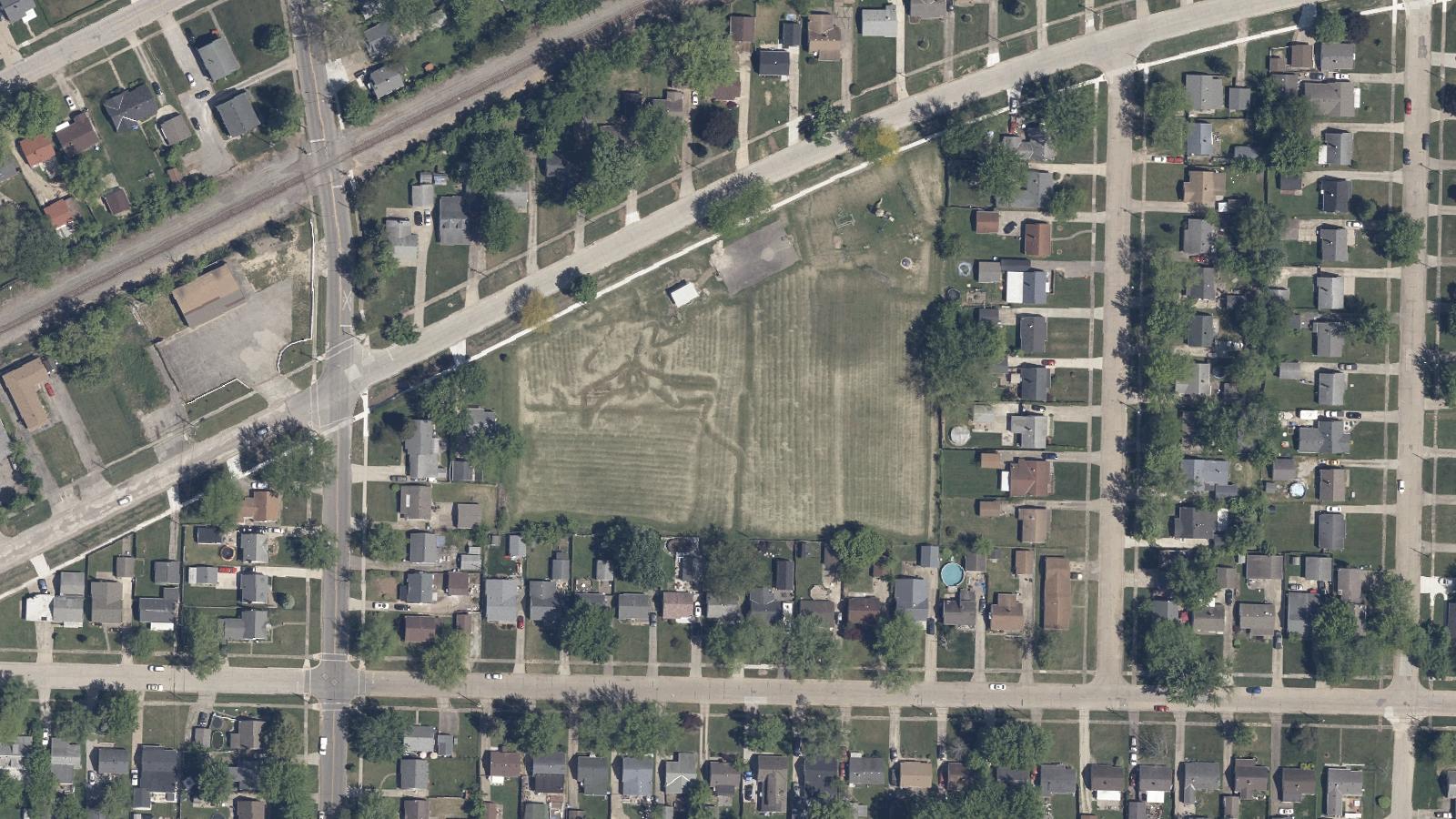
Lorain, Ohio grew rapidly during the late 1800s on the strength of its steel mills, shipyards, and its position as a Lake Erie port. Railroads threaded through the city's residential and industrial districts, and the infrastructure of that era left an enduring physical mark on neighborhoods like the one surrounding G Street Park.
The park itself is a modest community green space with no documented history of significant events. Its association with local paranormal lore stems entirely from an account circulated through community sources: the removal of a railroad spike from a specific hole in the park grounds, which witnesses claim preceded a series of unexplained occurrences. No historical records from the Lorain city archives or county records corroborate the account, and no date for the alleged spike removal has been documented in any accessible source.
Lorain was founded in 1834 and developed rapidly after the arrival of railroad infrastructure in the mid-19th century. The American Ship Building Company yards and the National Tube Company steel works employed thousands at their early-20th-century peak, and rail corridors threaded through residential neighborhoods. The railroad-spike anchor of the G Street Park legend reflects this industrial substrate — a physical trace of the city's rail past embedded in everyday neighborhood ground.
Sources
- https://www.geocaching.com/geocache/GC1B59J
- https://www.ohioexploration.com/paranormal/hauntings/loraincounty/
ApparitionsPhantom soundsDisembodied screamingShadow figuresOrbs
The legend of G Street Park turns on a single act: someone pulled a railroad spike from a hole in the ground. What followed, according to local accounts, was a string of anomalous events that have persisted since.
A female figure has been reported at the site, appearing near midnight in the vicinity of where the spike once was. The accounts describe her as a fully formed apparition, visible briefly before disappearing. Separately, a number of witnesses have reported hearing screaming and yelling in the area after dark, though no source has been identified for the sounds.
The geocaching community documented the legend, and it has circulated through Lorain County paranormal discussion over the years. No investigation records or news coverage have been identified that corroborate the specifics. The account remains squarely in local oral tradition, unverified by any external source.
The Ohio Exploration Society's Lorain County hauntings page notes that some of the orb reports may be attributable to fireworks from a nearby field, an unusually candid acknowledgment of mundane explanations for paranormal claims. The geocaching community has documented the site under a 'Haunted G Street Park' cache, giving the legend a recreational hook beyond pure folklore. No formal investigation has analyzed the park, and the specific 'spike removal' anchor remains entirely oral tradition without identified date or witness.
Notable Entities
Unidentified woman