Est. 1850 · Victorian-Era Cincinnati Residential Architecture · Ealy School for Girls · Hamilton County Historic Property
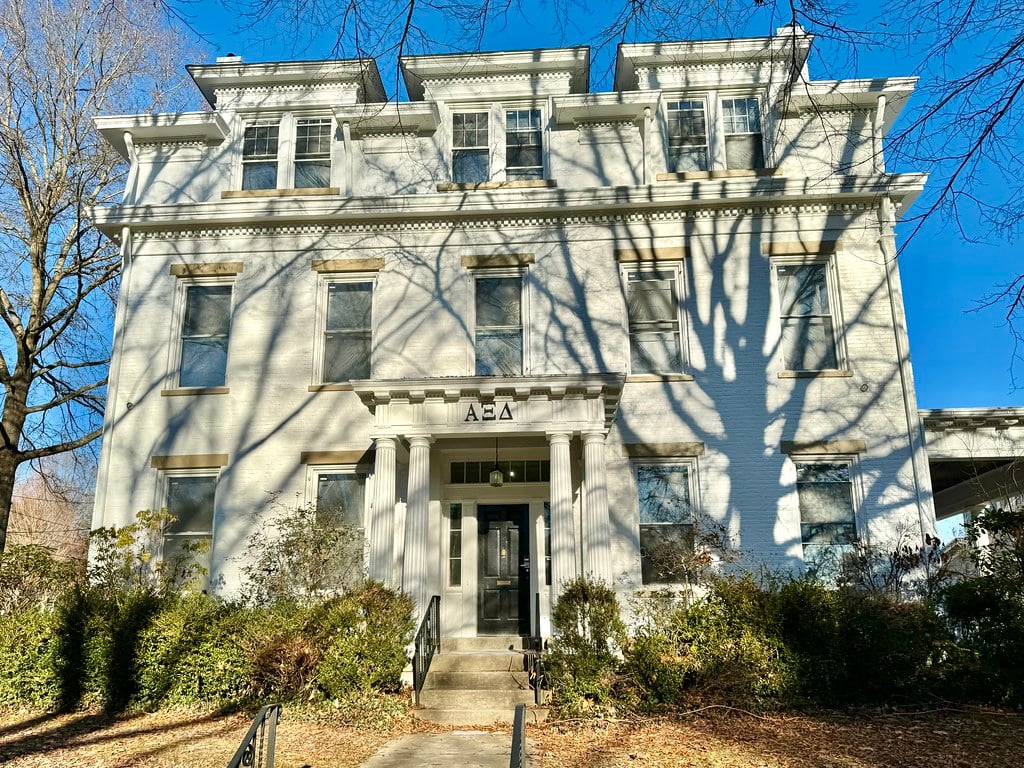
The Victorian mansion at Cornell Place in Cincinnati was built around 1850 in what was then an established residential area on the city's west side. The property's documented history includes several distinct chapters of occupation and tragedy.
In 1880, a young man died by suicide in an upstairs room of the house. The family departed following his death and the house stood vacant for years. By 1900, the building had been repurposed as the Ealy School, an institution for girls. During this period, two additional deaths occurred on the property according to historical accounts: a school girl died by suicide in the upper floors, and a daughter of a physician was found murdered on the stairway. The specific dates and names associated with these events do not appear in currently available public records.
The building subsequently became apartment housing — Cornell Place Apartments — and the mansion's historical association with the Stenton family, one of its later occupants, gave rise to the secondary name Stenton House used in local paranormal documentation.
A 1981 double homicide occurred at the complex, and a 1996 fire attributed to careless smoking killed a newlywed couple. These two events are documented in regional paranormal accounts as the most recent additions to the building's history.
The building has been described as vacant in at least some of the paranormal accounts, though this has not been independently confirmed.
Sources
- https://www.ohioexploration.com/paranormal/hauntings/hamiltoncounty/
- https://www.geocaching.com/geocache/GC5C4ZN_urban-legends-3517-3519-cornell-place
ApparitionsShadow figuresPhantom footstepsPhantom soundsPhantom voicesResidual haunting
The most specific paranormal account from Cornell Place Apartments is the 2:10 a.m. incident. The Stenton family, after moving into one of the apartments, began hearing a heavy thump from the room above them — always at 2:10 in the morning, never varying. When they investigated the history of that room, they found it was where the young man had died in 1880. The thumping, they concluded, was the sound of that death, replayed at its original hour.
The shadow figure appears at the top of the staircase that leads to the attic apartment. She is described as a woman — identifiable by silhouette — standing at the stair head rather than moving through the space. The attic location associates her with the school-era death recorded on the property's upper floors.
More distributed phenomena include phantom footsteps that follow residents through the building without visible source, voices audible in the hallways, and the sound of objects hitting the floor in adjacent rooms when no one is present. Some accounts refer to rituals performed at the property that are believed to have introduced additional presences that were not subsequently removed. An Indian burial ground is also cited in some versions of the building's lore, though no archaeological evidence of this has been publicly documented.
The building's five documented violent deaths across different eras — 1880, the school period, 1981, and 1996 — give it an unusual density of historical incident for a residential structure.
Notable Entities
The Attic Woman