Drive-By
Exterior View
View the Alpha Omicron Pi sorority house from public streets in the Ohio State University area. The house is a private residential property not open to the public.
- Duration:
- 15 min
HauntBound archive · catalog record
Reported phenomena — as catalogued
Sorority house with legend of a student death and poltergeist-type phenomena
Columbus, OH
Research updated May 2026
Age
Private Residence
Cost
$
No public access
Access
Limited Access
Private residential property
Equipment
No Photos
Ohio State Sorority · Greek Life · University Housing
Alpha Omicron Pi is a national sorority founded in 1897, with the Ohio State University chapter (Chi Epsilon) established as one of the organization's long-standing campus presences. The sorority has occupied various residential properties near the Ohio State campus throughout its operational history in Columbus.
The house associated with the paranormal legend has served as residential space for chapter members during the period when the current accounts were generated. The building is located in the university district of Columbus, within the residential area surrounding Ohio State's campus.
The sorority residence serves as a living space for current members during the academic year, with the organization maintaining continuity of chapter operations and membership across generations of students.
Sources
According to sorority folklore and local legend, a tragic incident occurred years ago when the Alpha Omicron Pi house was occupied by a different sorority chapter. During an Ohio State tradition celebrating the Ohio State vs Michigan football weekend, a female student participated in the tradition of jumping into Mirror Lake. The student was intoxicated at the time of the incident and sustained a serious injury, breaking her neck in the fall or during the water entry.
Rather than immediately seeking medical attention, her sisters brought her back to the sorority house and placed her in her bed. According to the account, the sisters were afraid of the consequences they would face for being intoxicated if they took her to the hospital. The student died in her bedroom while the injury went untreated.
The spirit of the deceased student is believed by current residents to manifest through poltergeist-type phenomena. Accounts describe closet doors opening and closing with no apparent cause. Objects in the room are reported to move or be displaced from their original positions. In other rooms within the house, students have reported hearing the sound of bed springs creaking and moving, despite the beds being unoccupied and no physical cause for the sound.
The manifestations are interpreted as either residual haunting activity—the replay of environmental impressions from the traumatic event—or intelligent haunting phenomena suggesting the presence of an active, aware entity. The spirit is believed to be identified as Mary-Ellen, though historical verification of the student's name and the specific incident remains limited. The legend persists within the sorority community and broader Ohio State folklore as an account of tragic student death and the haunting consequences that followed.
Notable Entities
View the Alpha Omicron Pi sorority house from public streets in the Ohio State University area. The house is a private residential property not open to the public.
Every HauntBound history is researched from documented sources. We clearly separate verified historical fact from paranormal folklore.
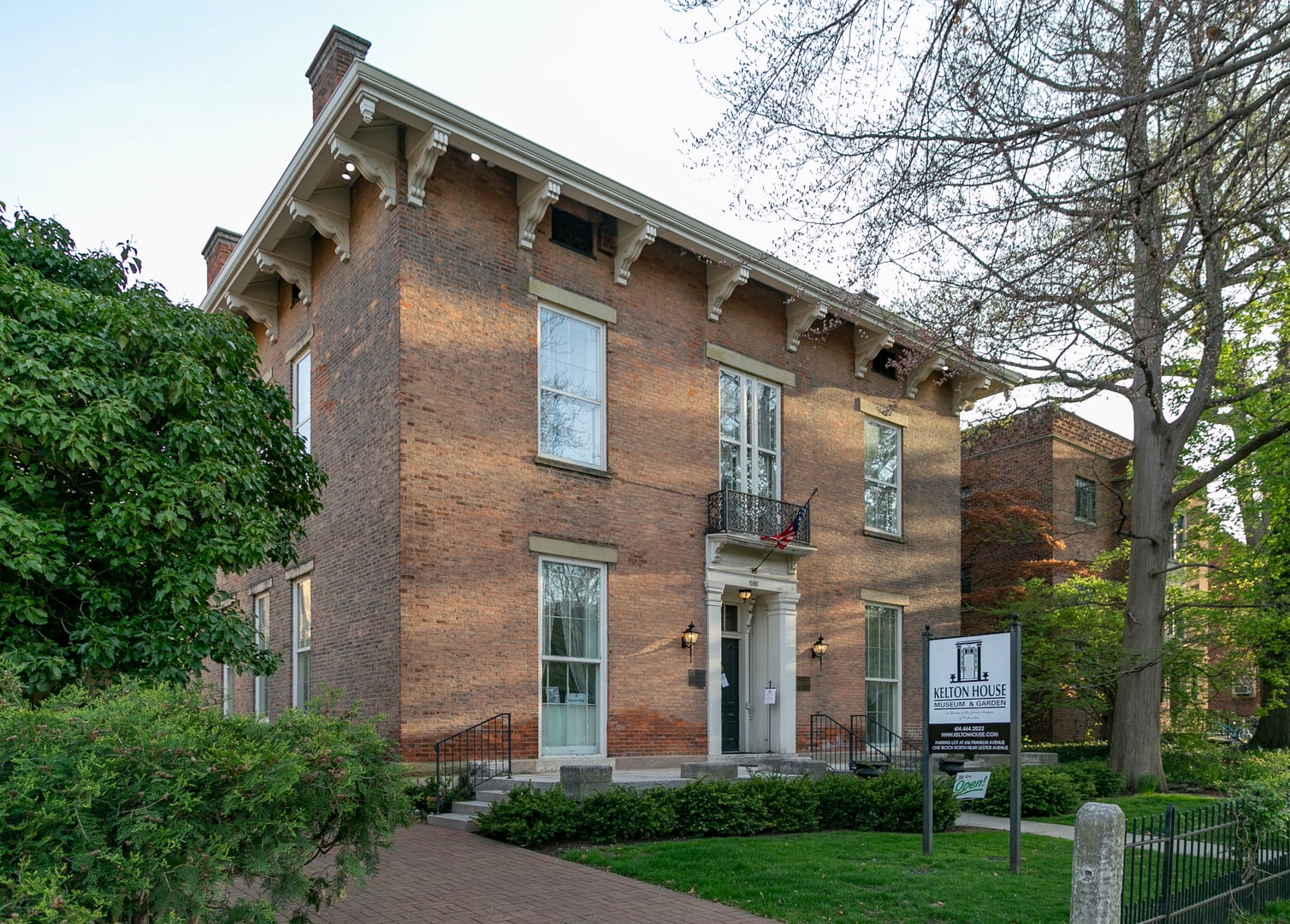
Columbus, OH
The Kelton House was built in 1852 by dry goods merchant Fernando Cortez Kelton and his wife Sophia, passionate abolitionists who used the property as a stop on the Underground Railroad. Their son Oscar enlisted in the 95th Ohio Volunteer Infantry and was killed in Mississippi in 1864. After housing five generations of Keltons until 1975, the mansion was donated to the Junior League of Columbus and opened as a museum.
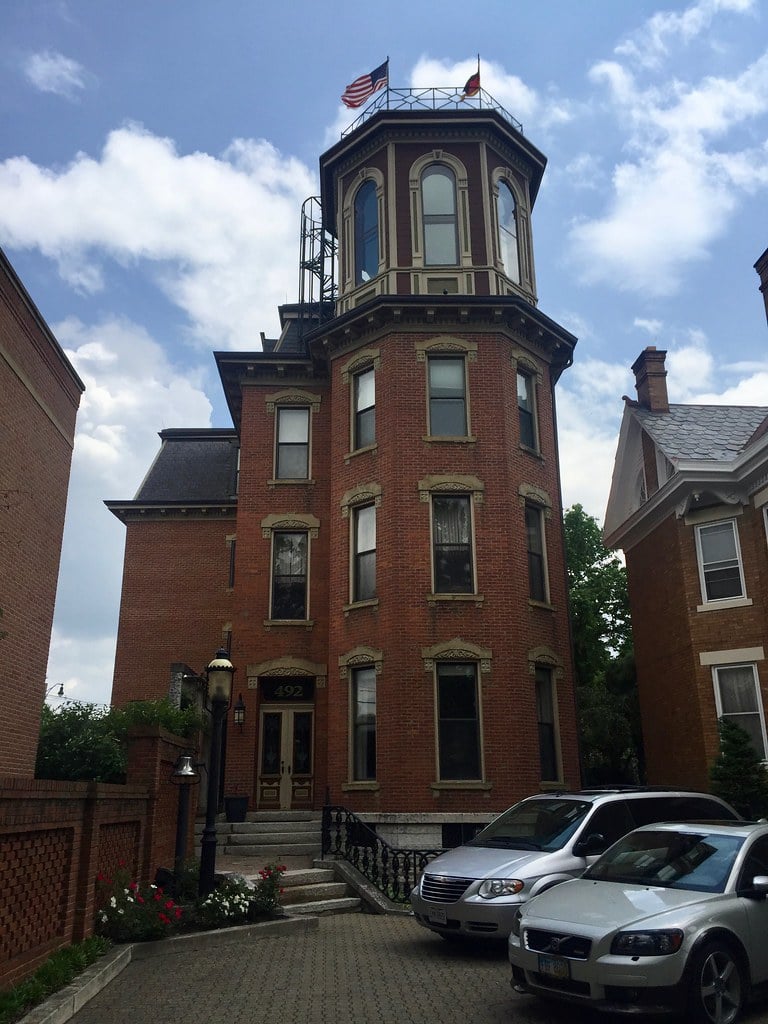
Columbus, OH
Schwartz Castle is a castle-style residence built in the late 1870s by Frederick William Schwartz, a pharmacist born in Niagara Falls, New York in 1836 who relocated to Columbus. The four-story turreted house has the highest roofline in the German Village historic district. Schwartz died in 1914 at age 78. The building is currently used as a short-term vacation rental.
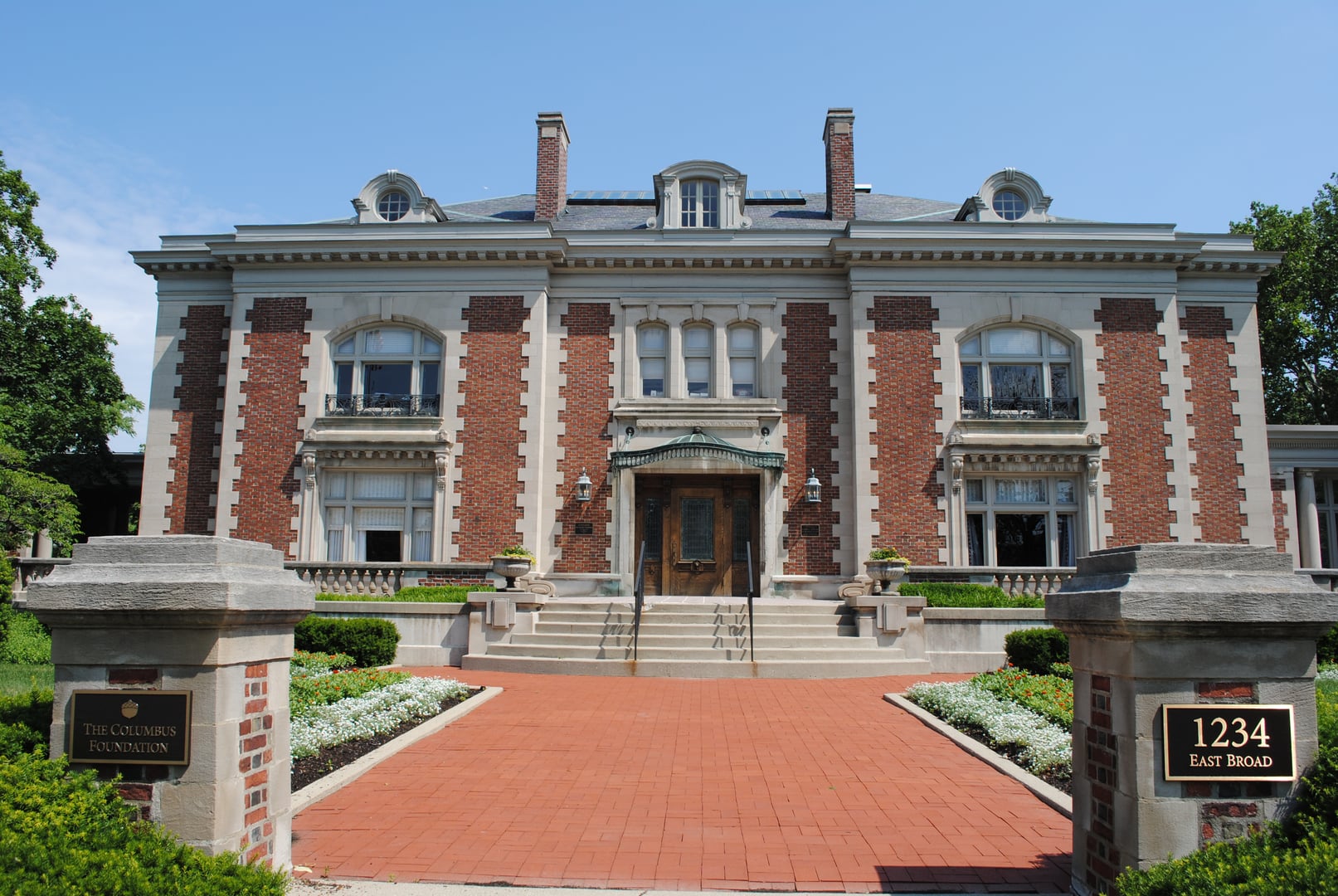
Columbus, OH
The Old Governor's Mansion at 1234 East Broad Street in Columbus is a 1904 Colonial Revival residence designed by Ohio architect Frank Packard for industrialist Charles H. Lindenberg. The State of Ohio purchased the property in 1919, and it served as the Governor's Mansion from 1911 to 1957. The building is now headquarters of the Columbus Foundation and is listed on the National Register of Historic Places.