Est. 1892 · Sailors' Snug Harbor established by Robert Randall bequest, 1801 · Staten Island campus opened 1833 as sailors' retirement home · Music Hall opened July 1892 — second-oldest music hall in New York City · Retirement home operated until 1976; campus transferred to NYC · Snug Harbor Cultural Center established as successor organization
Sailors' Snug Harbor traces its origin to 1801, when maritime merchant Robert Randall died and left the bulk of his estate — primarily Manhattan real estate — in trust for the maintenance of aged and disabled American sailors. After decades of legal disputes over the estate, the trust purchased land on the north shore of Staten Island, and the first residents arrived in 1833.
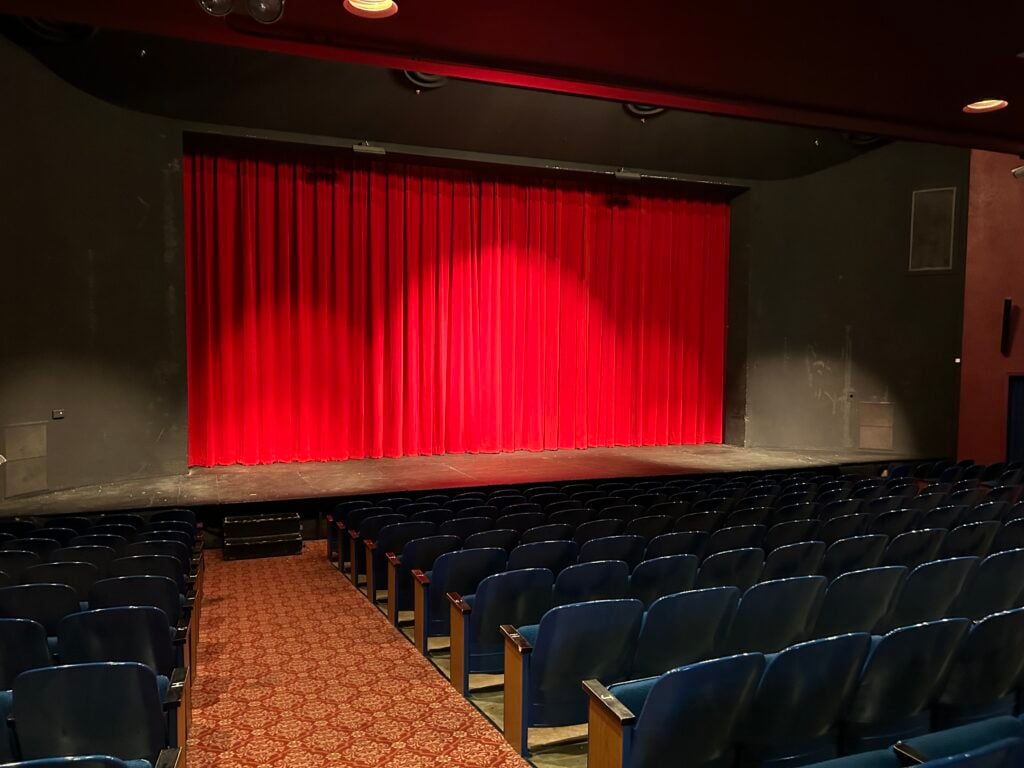
The campus was built in the Greek Revival style, with a row of five main buildings completed between 1833 and 1880. The Music Hall, a 686-seat auditorium with Greek Revival columns, opened in July 1892 specifically to provide entertainment for the sailors living on campus. It was the second music hall built in New York City after Carnegie Hall, which had opened the previous year.
The retirement home operated continuously until 1976, when the surviving residents were transferred to a smaller facility in Sea Level, North Carolina. New York City acquired the property, and the Snug Harbor Cultural Center — later adding 'and Botanical Garden' — was established to operate the site as a cultural complex. The campus now includes museums, performance spaces, Chinese scholars' gardens, and the Staten Island Botanical Garden.
The 1863 events referenced in the venue's official 'Tale of the Matron' ghost tour narrative concern the position of the matron — a female staff member responsible for the sailors' domestic care — and a documented incident from the institution's records that forms the basis of the official haunting story.
Sources
- https://en.wikipedia.org/wiki/Snug_Harbor_Music_Hall
- https://en.wikipedia.org/wiki/Sailors%27_Snug_Harbor
- https://snug-harbor.org/ghost-tour-tale-of-the-matron/
Water bottles thrown inside locked, empty Music HallShadow figures observed in performance space by rangersLarge female figure photographed during concert — anomalous void in imagePhantom sounds reported during Ghost Adventures investigationSpectral applause reported by multiple accounts
The Music Hall is the most active reported site in Snug Harbor's paranormal tradition. Rangers — the staff who manage and patrol the campus buildings — have reported multiple incidents of objects moving inside the locked hall: specifically, water bottles thrown from locations with no one present, and unexplained shadow figures observed in the performance space.
A former music director photographed a concert and discovered in the developed image what staff described as an absence of pixels forming the silhouette of a very large woman. The figure was interpreted as the matron — a female staff position at the retirement home that dates to the institution's early history. The 1863 events forming the basis of the 'Tale of the Matron' tour narrative are drawn from institutional records and concern this position.
Ghost Adventures filmed at Sailors' Snug Harbor for Season 7 of the series. The episode — the thirteenth of the season — had the crew accompanied by ABC Nightline. The investigators reported hearing phantom sounds and observed what they described as a shadow figure in the darkness of the Music Hall.
Snug Harbor runs official 90-minute ghost tours seasonally, led by paranormal investigators, that include the Music Hall as a key stop. The Music Hall is normally closed except during events and these tours, making the ghost tour the primary means of interior access for dark tourism visitors.
Notable Entities
The Matron — institutional staff position at Sailors' Snug Harbor; 1863 documented events form basis of official ghost narrative
Media Appearances
- Ghost Adventures, Season 7, Episode 13: Sailors' Snug Harbor (Television, 2012)
Where this legend is told