Est. 1914 · One of Saratoga County's primary tuberculosis treatment facilities 1914-1960 · Later served as Saratoga County Infirmary for geriatric patients 1961-1973 · Featured on Travel Channel's 'Destination Fear' for paranormal investigation (2020) · Brick building replaced original 1914 wooden structure in 1932
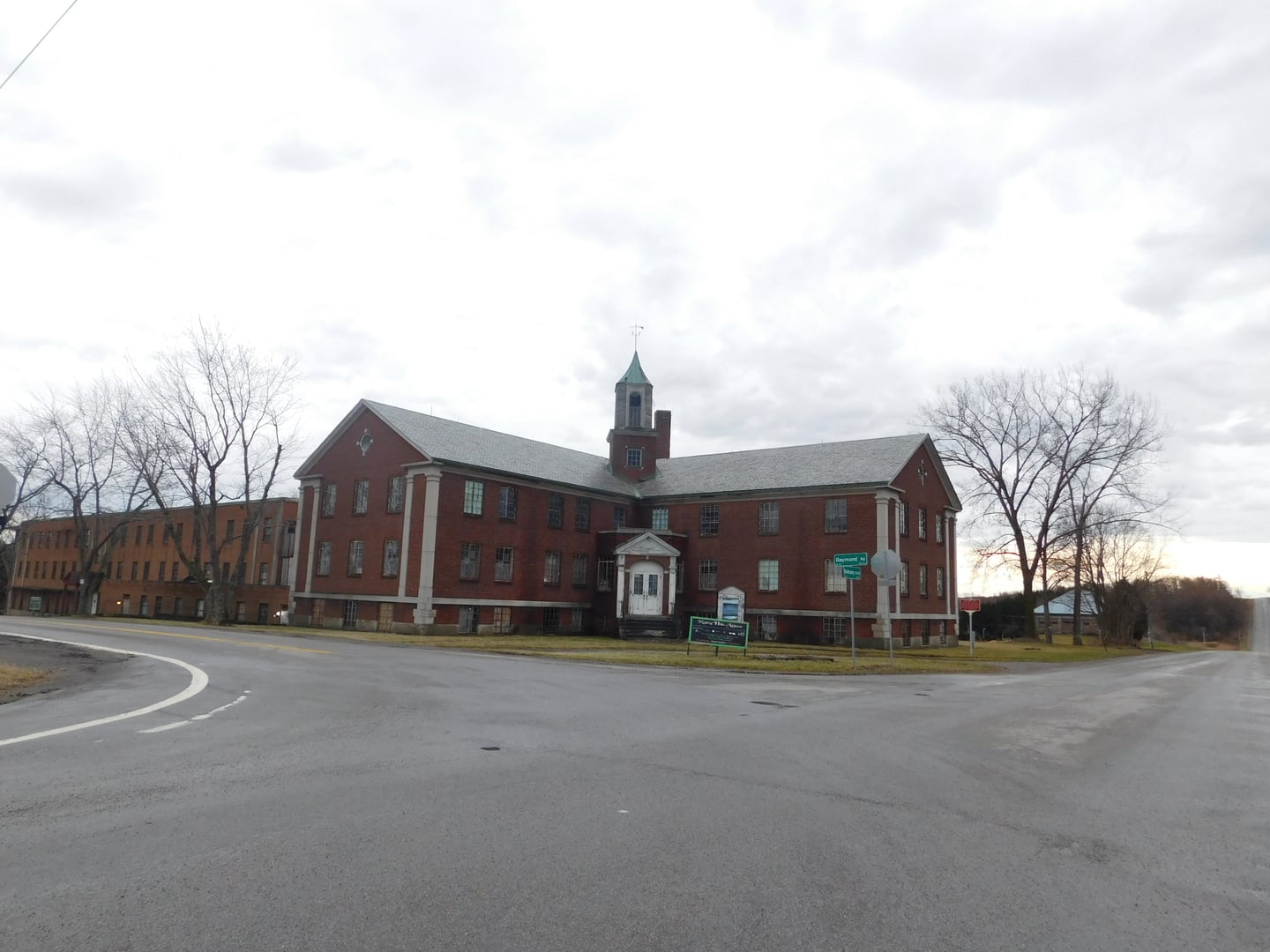
The Saratoga County Homestead — also known as the Homestead Sanitarium — occupies approximately 25 acres in the hamlet of Barkersville (also known as East Galway), in the Town of Providence, Saratoga County, New York, roughly 15 miles west of Saratoga Springs on County Highway 16. The site was donated by Horace Carpentier specifically for health purposes; Carpentier is buried in the adjacent Barkersville Cemetery.
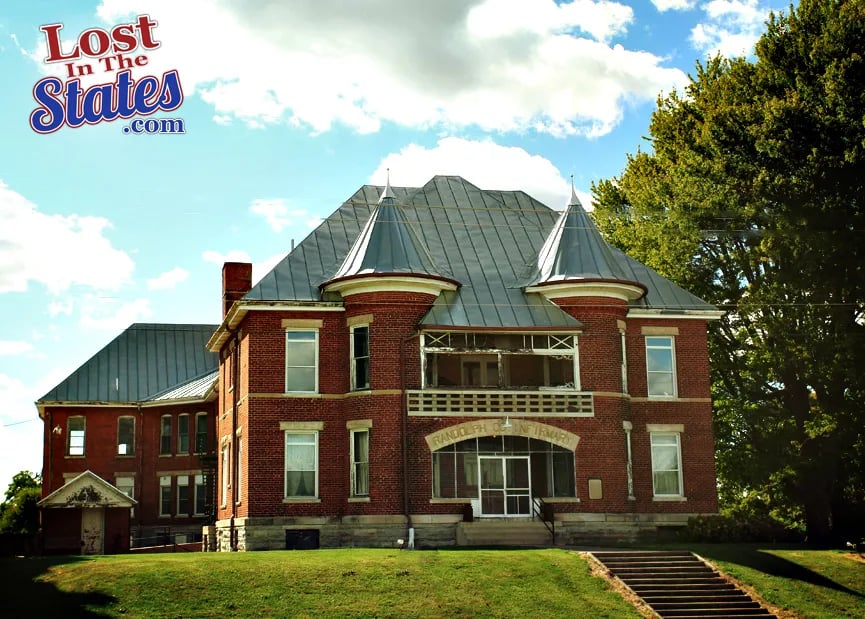
The institution opened in 1914 in a wooden building, purpose-built to treat tuberculosis patients under the era's standard regimen of fresh air, rest, and nutritious food. At its peak, the Homestead accommodated up to 100 patients. The original wooden structure was replaced by the brick building that stands today in 1932, providing a more durable and hygienic facility.
Treatment of tuberculosis patients continued until 1960, when advances in antibiotic medicine dramatically reduced TB hospitalization needs. The facility reopened in 1961 as the Saratoga County Infirmary, serving elderly and infirm county residents who had no other care options. It operated in this capacity until 1973, when a new county home for the aged was built in Ballston Spa, rendering the Providence facility redundant.
After closure in 1973 or 1979 (sources vary on the exact year), the Homestead sat vacant for decades. Vandals damaged the interior substantially, and urban explorers documented the building's deterioration, including abandoned medical equipment, patient beds, books, and records left behind. The property changed hands through tax foreclosure and was sold at auction in September 2019 to James Walk of Corinth, Texas, who has proposed comprehensive renovations including photography tours, a veterans retreat, and a living museum of the site's tuberculosis hospital history.
Sources
- https://en.wikipedia.org/wiki/Saratoga_County_Homestead
- https://untappedcities.com/2020/08/11/a-look-inside-the-abandoned-saratoga-county-homestead/
- https://www.wgpfoundation.org/historic-markers/the-homestead/
- https://dailygazette.com/article/2019/08/06/saratoga-county-seeks-to-auction-former-infirmary
Cold spots and sudden temperature dropsDisembodied coughingShadow figuresEVP recordingsUnexplained photographic anomaliesFeeling of presence
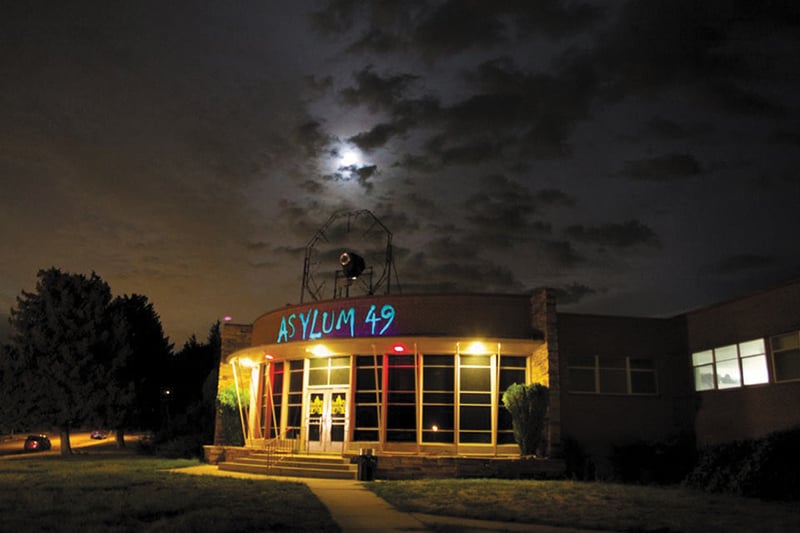
The Saratoga County Homestead has become one of the Capital Region's most-visited paranormal sites since the property's abandonment in the 1970s. Investigators and urban explorers consistently describe similar experiences: sudden drops in temperature, faint sounds of coughing echoing through empty hallways, shadowy figures glimpsed in peripheral vision, and a pervasive sense of being watched.
The Travel Channel's 'Destination Fear' investigated the Homestead in a 2020 episode, bringing national attention to its paranormal reputation and providing independent documentation of the site's haunted status. The show's team reported unexplained activity during the overnight investigation.
The South Glens Falls Paranormal Society, led by founder Steve Brodt, has conducted multiple investigations and organized authorized public ghost-hunt tours of the property, resulting in reported EVP (electronic voice phenomena) captures and photographic anomalies. Untapped Cities documented the building's interior in a widely shared 2020 photo essay, noting the eerie atmosphere created by the abandoned equipment and records.
Local historians note that the Homestead's haunted reputation is amplified by the sheer volume of patients who died on the premises during its nearly 60 years of operation as a TB sanitarium and infirmary. According to Wikipedia, local historians emphasize that the Homestead never functioned as a mental asylum — a common misconception — and there is no cemetery on its grounds, distinguishing its documented history from more sensationalized accounts.
Notable Entities
Spirits of former TB patientsHorace Carpentier (buried in adjacent Barkersville Cemetery)
Media Appearances
- Travel Channel 'Destination Fear' (2020)