Est. 1970 · Largest outdoor living history museum in New York State · Over 51 historic Long Island structures relocated to preserve them from suburban demolition · Filming location for Apple TV+ Dickinson series · Old Bethpage Village Brass Band featured in Ken Burns's The Civil War
The idea for a living museum village on Long Island emerged from Nassau County's 1959 master plan, which initially proposed the 165-acre Powell farm property near the Nassau-Suffolk border as a county zoo. By 1963 the county had acquired the parcel and shifted to a preservation concept, relocating historic structures from communities across Long Island that faced demolition.
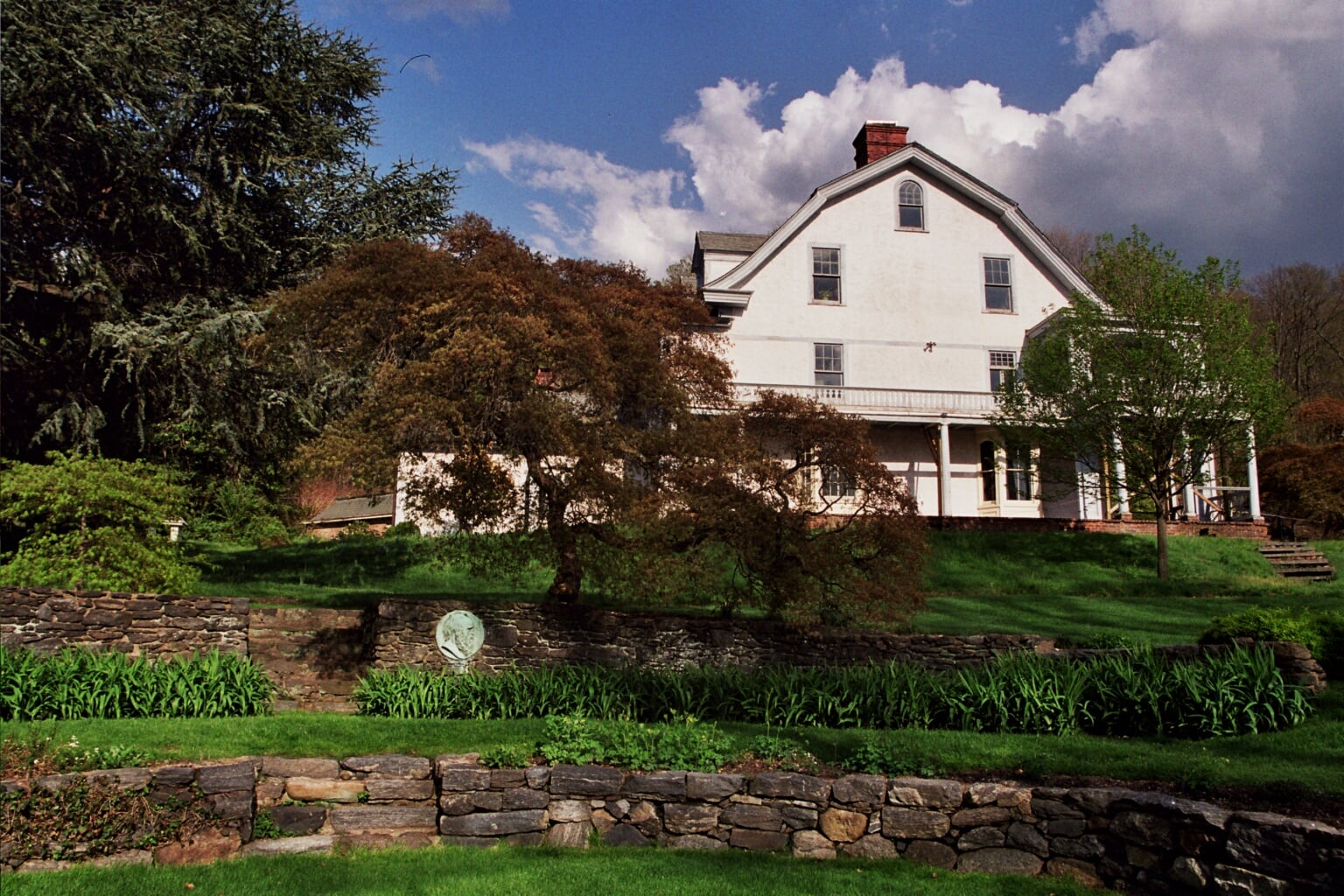
The site opened to the public in 1970 and has grown to include 51 preserved buildings and seven reconstructed ones. The Powell Farmhouse remains the only original structure on the land; everything else was moved here. The Schenck House, a Dutch farmhouse dating to 1730, is among the oldest. The Noon Inn, relocated from East Meadow, served as a working tavern and has a documented history of violence: three teenagers were stabbed to death there in the 19th century by a vagrant whose body was later found on the road.
The village operates with costumed interpreters demonstrating period trades, crops, and household practices. Approximately 35,000 school students visit annually. The site gained additional cultural recognition when Apple TV+ used it as a filming location for the series Dickinson, and the Old Bethpage Village Brass Band — based at the museum — was featured in Ken Burns's PBS documentary The Civil War.
The Hewlett House was built in the 1890s in Woodbury and restored to represent 1840. The Conklin House came from the Village of the Branch. The Williams House originated in New Hyde Park and is associated with farmer and carpenter Henry Williams, circa 1860s.
Sources
- https://en.wikipedia.org/wiki/Old_Bethpage_Village_Restoration
- https://oldbethpagevillagerestoration.org/about-us/
- https://www.nassaucountyny.gov/2850/Old-Bethpage-Village-Restoration
Woman in period dress on upper floor (Conklin House)Dark shape rushing toward interpreters (Conklin House)Physical contact: hand on worker's shoulder (Hewlett House)Security guard locked in basement with male voices (Hewlett House)Small voice saying 'Put my teacup down' (Williams House)Trunks found with scattered contents (Williams House)Window closing against propped stick (Williams House)Faces in upstairs window (Noon Inn)
The ghost accounts at Old Bethpage Village Restoration are building-specific and tied to the individual histories of the relocated structures. The Conklin House, originally from the Village of the Branch, produces the most varied reports. Interpreters have described a woman in period dress appearing on the upper floor, a dark shape rushing toward staff, and loud banging from a small lumber room. The lumber room is linked to local lore about a disabled boy who appeared in an early census and then vanished from records — an unresolved detail that the museum's gothic documentation preserves without resolution.
The Hewlett House has generated accounts involving physical contact. One worker reported a hand pressing on her shoulder near the fireplace. A security guard claimed to have been locked in the basement while hearing male voices. During a reported séance, a presence identifying itself as 'Lewis Hewett' stated it had hanged itself — the initials 'L.H.' are carved above the fireplace, visible to visitors.
The Williams House accounts center on a presence called Esther, whom staff members describe as a former seamstress. Reports include trunks found with their contents scattered, a window that repeatedly closes despite being propped open, a fireplace tool striking a worker in the head during a busy moment, and a small voice — heard by multiple people in separate incidents — saying 'Put my teacup down.'
The Noon Inn, whose 19th-century history includes the stabbing deaths of three teenagers, has also produced a report of a girl seeing faces in the upstairs window.
Notable Entities
Lewis Hewett (initials carved at Hewlett House; hanged himself per séance account)Esther (unnamed seamstress associated with Williams House activity)
Where this legend is told