Est. 1892 · Operated 1892–1977 as New York's primary institution for the criminally insane · Designed by New York State architect Isaac Perry · Housed Harry Thaw (murdered Stanford White), George Metesky (NYC Mad Bomber), Izola Ware Curry (stabbed MLK) · Nearly 1,000 numbered graves of former patients; site now adjacent to Fishkill Correctional Facility
The Matteawan State Hospital for the Criminally Insane was established in 1892 in the town of Fishkill near the village of Matteawan, which subsequently merged with Fishkill Landing to become the city of Beacon. The facility was designed by New York State architect Isaac Perry, who also designed the New York State Capitol in Albany and several other state institutions. It was intended to house individuals found not guilty by reason of insanity in criminal proceedings.
Over its 85-year operation, Matteawan held a number of high-profile patients. Harry Thaw was committed to the institution in 1908 after being found not guilty by reason of insanity for the 1906 murder of architect Stanford White, whom he shot in Madison Square Garden in a dispute over Thaw's wife, showgirl Evelyn Nesbit. Thaw escaped in 1913, was recaptured, and was eventually released in 1915 after a jury found him sane. George Metesky, who planted at least 33 homemade bombs in New York City between 1940 and 1956 — injuring 15 people — was committed to Matteawan in 1957 after a court found him unfit to stand trial due to paranoid schizophrenia. Izola Ware Curry, who stabbed Martin Luther King Jr. with a letter opener at a Harlem book signing in 1958, was also committed to Matteawan following a finding of psychiatric incompetence.
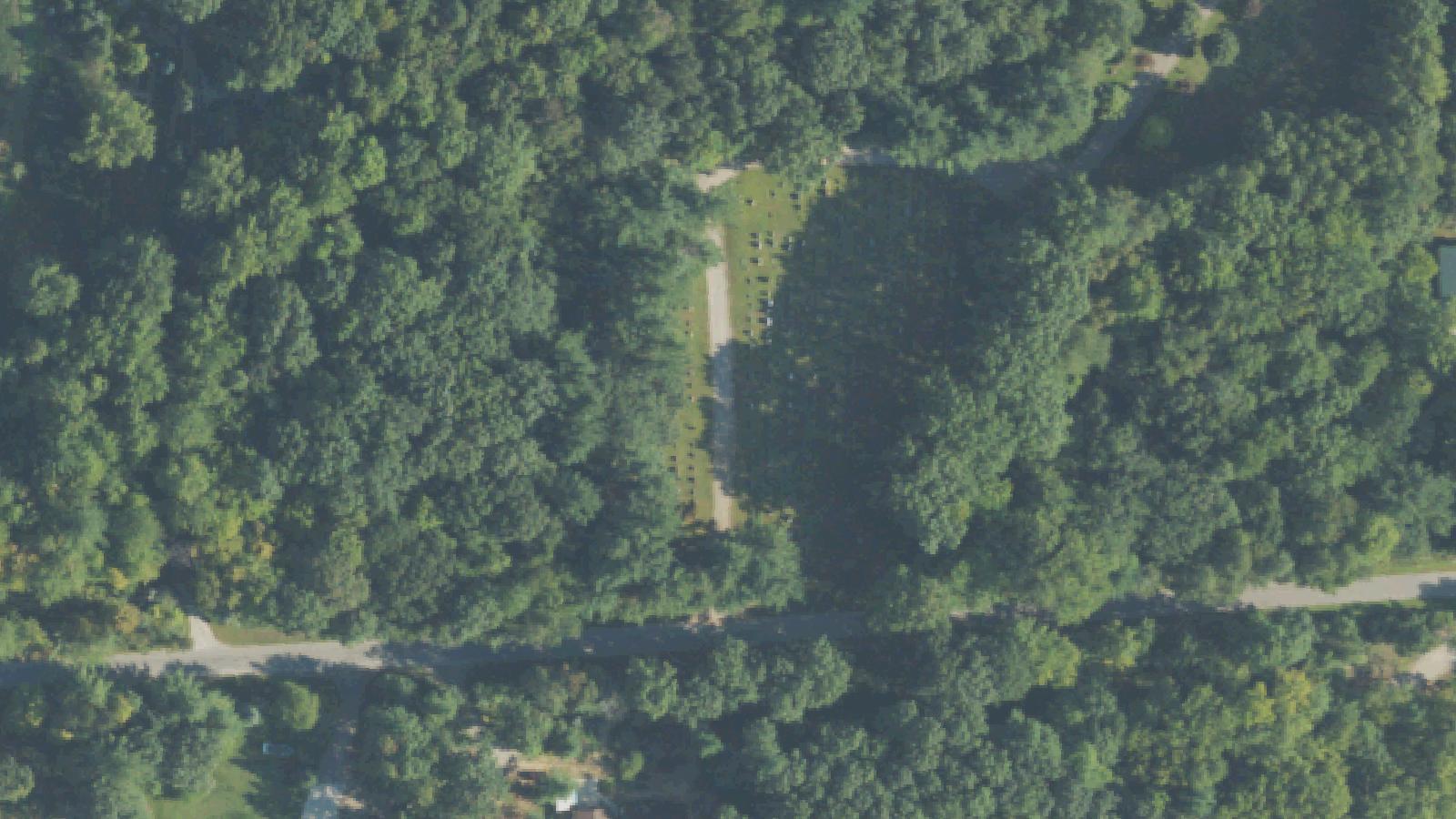
The hospital practiced lobotomies and electroshock therapy as treatments through the mid-twentieth century. It closed in 1977; the surviving brick building complex was converted into Fishkill Correctional Facility, a medium-security state prison that occupies the site today. The on-grounds cemetery — accessible by a public trail off Matteawan Road south of Beacon High School — contains approximately 1,000 numbered graves of patients who died at the institution.
Sources
- https://en.wikipedia.org/wiki/Matteawan_State_Hospital_for_the_Criminally_Insane
- https://www.findagrave.com/cemetery/2325868/matteawan-state-hospital-cemetery
- https://wrrv.com/eerie-photos-emerge-of-haunted-asylum-for-criminally-insane-in-beacon/
- https://en.wikipedia.org/wiki/Harry_Kendall_Thaw
- https://en.wikipedia.org/wiki/Izola_Curry
Unease and cold spots reported near numbered gravesAtmospheric disorientation near the cemeteryPhotographic documentation of eerie conditions
The paranormal reputation of the Matteawan State Hospital cemetery derives primarily from the combination of its institutional history and the condition of the graves. Nearly 1,000 individuals were buried here under plain numbered markers — concrete or stone, bearing only a number and no name — reflecting the era's stigmatization of the mentally ill and criminally insane. The identity of most people buried here remained unknown to the public for decades.
Regional photographic investigations of the cemetery have been documented by Hudson Valley media outlets including WRRV Poughkeepsie, which published photographs described as showing atmospheric and eerie conditions at the site. The cemetery's dense tree cover, overgrown state, and proximity to the still-operational Fishkill Correctional Facility create conditions that lend the location a persistent sense of isolation.
Reported paranormal experiences at the site are primarily atmospheric — unease, cold spots, and disorientation reported by visitors — rather than specific apparition sightings. The institutional history of the site provides a documented context for the lore: patients convicted of or acquitted for violent crimes, including murder, were buried here without public identification.
The notable individuals committed to Matteawan during its operation are not associated with specific paranormal claims at the cemetery; the lore is general rather than attached to named former patients.
Media Appearances
- WRRV Poughkeepsie — eerie photos from Matteawan cemetery (news, 2019)
Where this legend is told