Est. 1763 · Battle of Devil's Hole — September 14, 1763 · Largest British Military Defeat of Pontiac's War · Seneca Spiritual Site (Dei'ondiogo') · Niagara River Portage Control History
The location that became known as Devil's Hole had been a significant place in Haudenosaunee geography long before European contact. The Seneca — the westernmost nation of the Haudenosaunee (Iroquois) Confederacy — called the site Dei'ondiogo', meaning 'the place of the evil spirit,' and associated a cave in the gorge wall with a powerful being that had been trapped there. The name, and the association, predate the 1763 battle by an unknown number of generations.
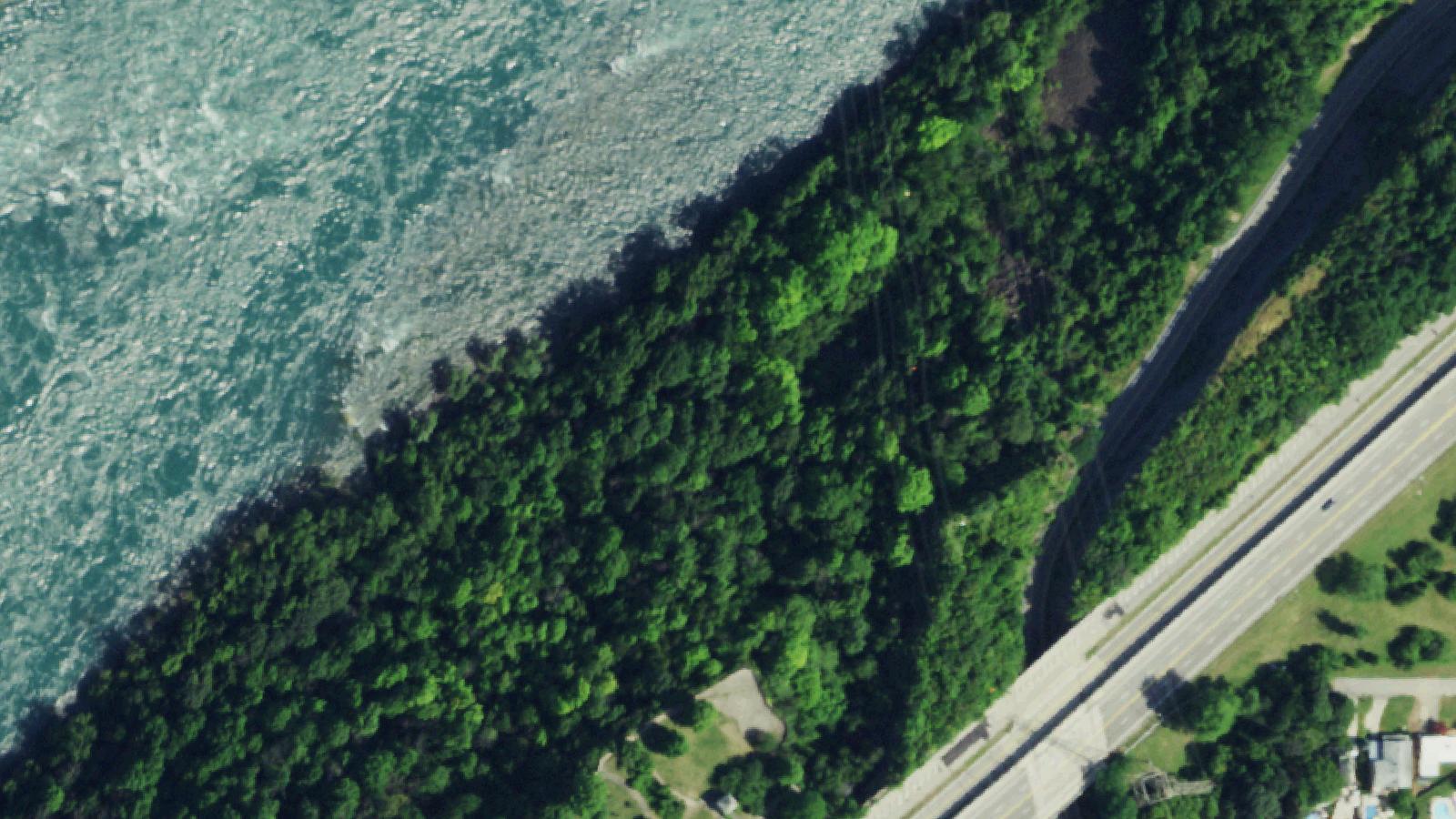
On September 14, 1763, during Pontiac's War — the pan-tribal resistance to British colonial expansion following the Seven Years' War — a force of approximately 300 to 500 Seneca warriors under commanders including Cornplanter, Honayewus, and Sayenqueraghta ambushed a British wagon convoy traveling the portage road between Fort Schlosser and Fort Niagara. Two companies of the British 80th Regiment of Light-Armed Foot, commanded by Captains George Campbell and William Fraser and based at Fort Gray near Lewiston, escorted the convoy. The terrain of Devil's Hole — a narrow road above a steep gorge, with dense woods on the inland side — made the convoy's position tactically untenable once the ambush began. Animals broke into panic and were driven into the ravine along with wagons and drivers. Only a small number escaped.
When British reinforcement units arrived from Fort Gray, the Seneca ambushed them as well from a brush-covered hill, cutting off their retreat. The combined engagement produced 81 British soldiers killed and 8 wounded, against 1 Seneca warrior wounded. It was the single largest British defeat of Pontiac's War.
The aftermath had lasting consequences for Seneca territorial control. The British reinforced Fort Niagara and ultimately forced the Seneca to cede a one-mile strip on each side of the Niagara River, severing their traditional control of the portage — a strategically and economically vital route.
Sources
- https://en.wikipedia.org/wiki/Battle_of_Devil%27s_Hole
- https://parks.ny.gov/visit/state-parks/devils-hole-state-park
- https://goniagaratours.com/blog/the-massacre-at-devils-hole-bloodshed-in-the-niagara-gorge
- http://www.niagarafrontier.com/devilhole.html
Unexplained soundsFeeling of being watchedAtmospheric uneaseHistorical voices (pre-contact, documented by explorers)
The Seneca tradition associated with Devil's Hole predates European arrival and the 1763 battle by an unknown but significant span. Dei'ondiogo' — 'the place of the evil spirit' — identified the gorge and its cave as a location of supernatural danger, the site of a powerful being's imprisonment in the stone of the cliff. The river's work in opening the cave, by their account, released the entity into the world. This tradition is documented in multiple sources on Seneca and Haudenosaunee oral history and cannot be attributed to post-contact European influence.
French explorers navigating the Niagara corridor reportedly recorded accounts of voices in darkness near the cave entrance and described men who emerged from proximity to it 'white-haired with fear' — accounts that the Go Niagara Tours documentation treats as early European contact with a pre-existing Indigenous sacred site rather than independent paranormal discovery.
Contemporary visitors report specific sensory experiences at the base of the gorge near the cave: sounds with no identifiable source, the persistent sensation of being watched from within the rock face, and a psychological unease that multiple accounts describe as qualitatively different from the general atmosphere of the gorge trail. The site does not draw active paranormal investigators in the way that a building would — there are no equipment stations, no investigation groups booking access — but the accounts are consistent across sources that are not in contact with one another.
The dark history of the location is, in the end, documented in the historical record without embellishment: over 100 people died violently here on a single afternoon in 1763.
Where this legend is told