Est. 1843 · Country home of William Cullen Bryant, poet and editor, 1843–1878 · Cultural gathering place; visited by Thomas Cole, James Fenimore Cooper, Edwin Booth · Nassau County historic house museum since 1975 · Mill house and grounds open year-round
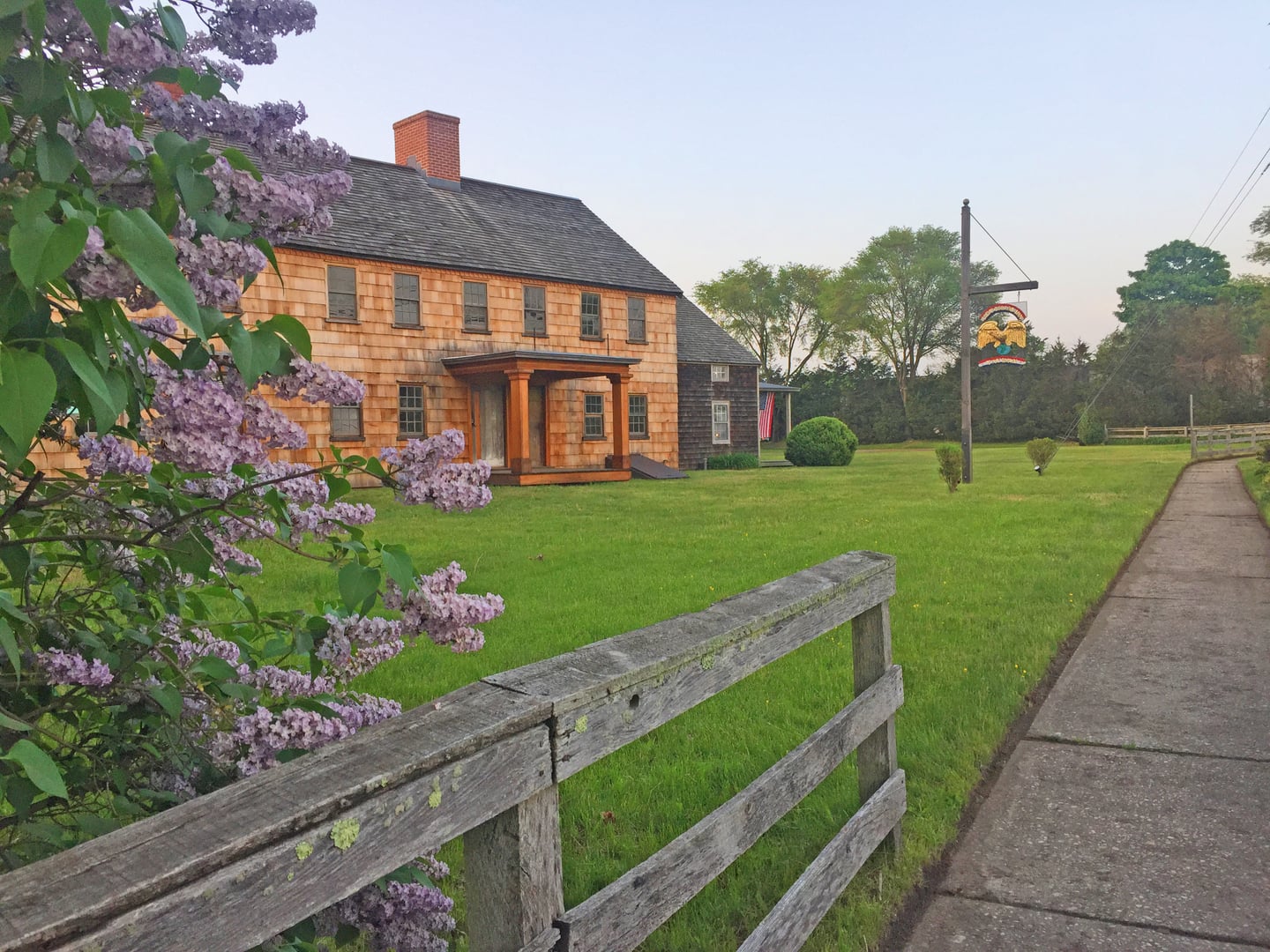
The earliest documented structure on the Cedarmere property was built in 1787 by Richard Kirk, a Quaker farmer. William Cullen Bryant, who had become editor of the New York Evening Post in 1829 and would remain in that role for nearly 50 years, purchased a small house at the site in 1843. Bryant named the property Cedarmere for the cedar trees encircling what he called a 'mere' — the millpond at the heart of the estate.
Bryant expanded both the land and the buildings through the 1850s and 1860s, following design principles associated with Andrew Jackson Downing, whose naturalistic landscape aesthetic was influential among wealthy Hudson Valley and Long Island estate owners of the period. The estate became a gathering place: among the figures who visited Bryant there were landscape painter Thomas Cole, novelist James Fenimore Cooper, and actor Edwin Booth.
Bryant sold the property to his daughter Julia in 1875 while retaining lifetime residence rights. He died at Cedarmere in 1878. Julia sold the estate to her nephew Harold Godwin in 1891, who made it his primary residence. In 1903 a fire damaged the upper stories of the main house considerably; Godwin rebuilt using the same footprint and floor plan. The Godwin family occupied Cedarmere until 1975, when they donated it to Nassau County for use as a historic house museum.
Exterior renovations in 2013 addressed the building fabric. The house interior is currently closed for ongoing restoration. The grounds — including the restored gardens, the cedar-bordered millpond, and the Gothic-influenced mill house — remain open year-round and are free to visit.
Sources
- https://en.wikipedia.org/wiki/Cedarmere-Clayton_Estates
- https://www.friendsofcedarmere.org/history-of-cedarmere.html
- https://bryantlibrary.org/local-history/galleries/cedarmere-estate/
Native American figure seen walking grounds at duskWoman in Victorian clothing at mill houseShadow figuresLights and doors operating independentlyUnusual knocking soundsEVPs captured by paranormal investigatorsReport of being pushed on stairs
The haunting accounts at Cedarmere come primarily from people with regular access to the property rather than occasional visitors. The estate caretaker is the named source for the two most specific sightings: a figure described as a Native American seen walking across the grounds at dusk — appearing and then gone — and a woman in Victorian-era clothing observed at the mill house.
Long Island's North Shore has a well-documented indigenous history; the land Bryant purchased in 1843 was part of a region that had been Lenape territory for millennia. The caretaker made no claim about who the figure was or what its appearance meant; it was reported as an observation, not an interpretation. The Gothic Horror Stories field guide to North Shore ghost sites notes this account in its coverage of Cedarmere.
The Long Island Paranormal Investigators documented their investigation results at Cedarmere separately: light anomalies in photographs, multiple EVPs captured in the building, shadow figures, lights and doors operating without physical cause, unusual knocking sounds, and a report of someone being pushed on the stairs. These phenomena are consistent with LIPI investigations at other Nassau County sites.
Bryant's own biography is quiet in terms of violent or tragic history at the property — a fact that makes the accumulated paranormal reports more notable rather than less. The Victorian woman at the mill house is a particularly specific account given the mill's history as a working structure in Bryant's time.
Notable Entities
William Cullen Bryant (1794–1878; poet and journalist; lived here 1843–1878)
Where this legend is told