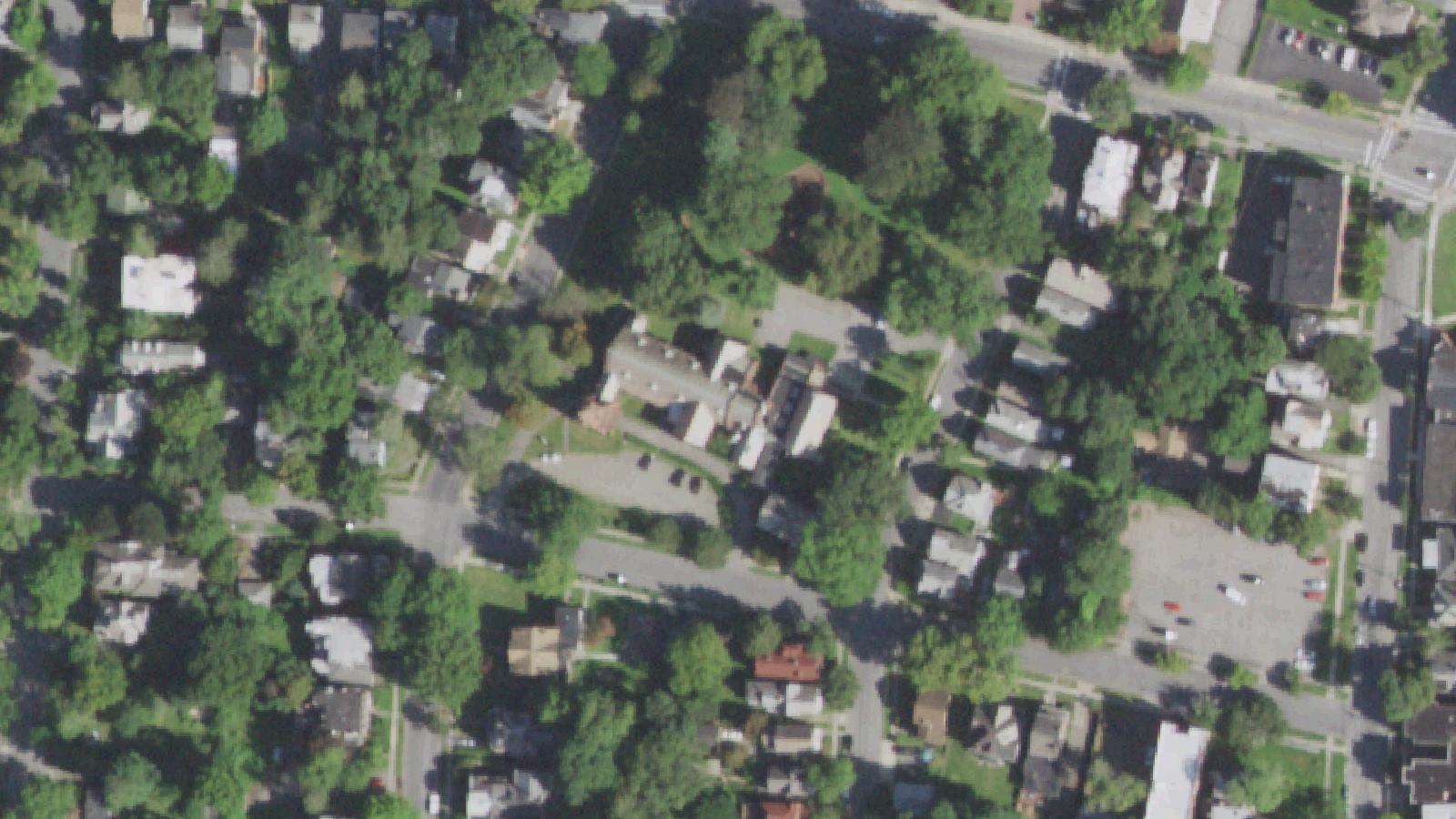
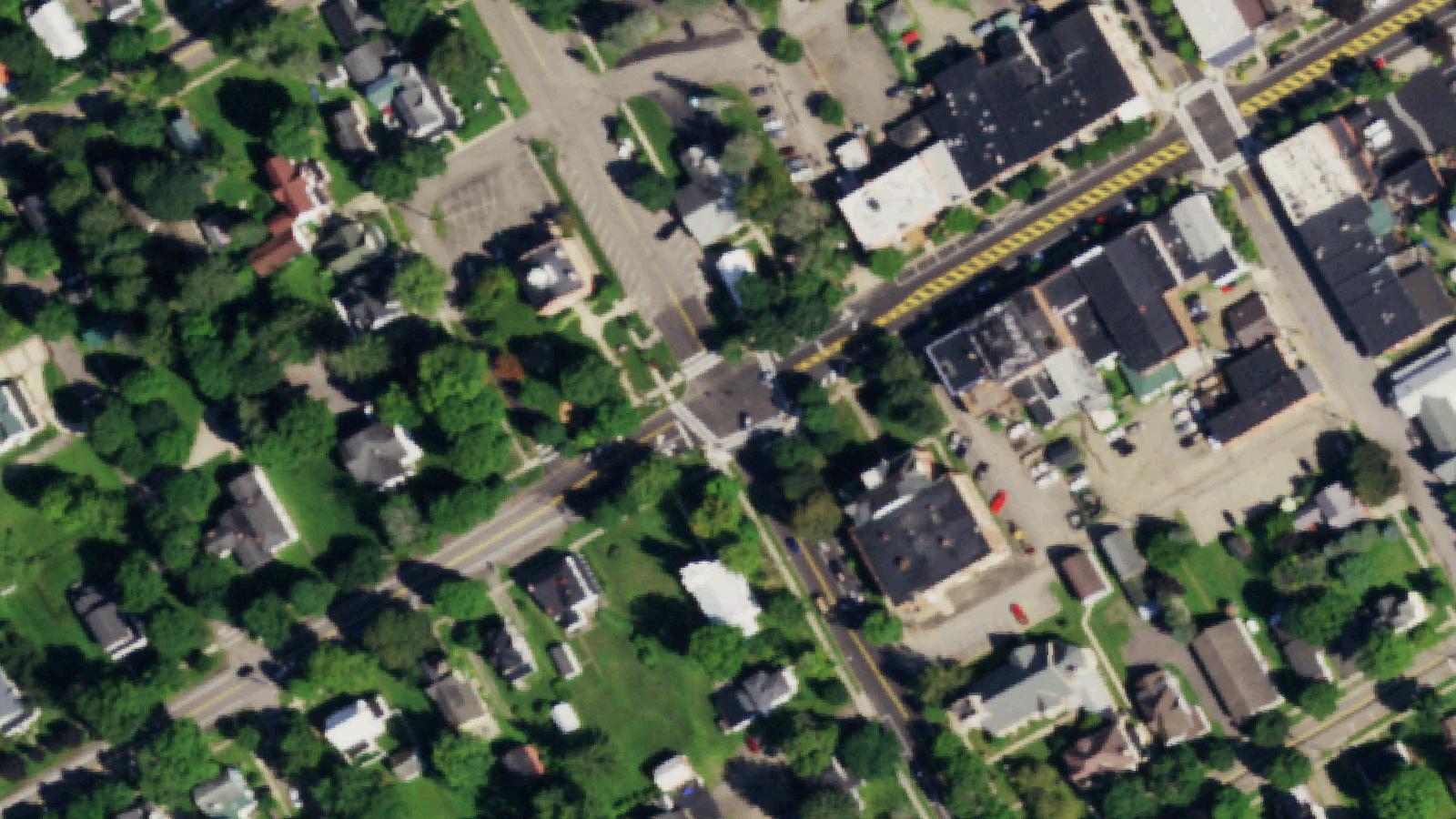
Est. 1844 · Guinness World Record: oldest subway tunnel in the world · Built 1844 for the Long Island Rail Road; sealed 1861 · Listed on the National Register of Historic Places (1989) · Bob Diamond rediscovery 1980; public tours 1982–2010
In 1844, to satisfy public demand for grade-separated rail in Brooklyn, the Brooklyn and Jamaica Railroad — later the Long Island Rail Road — bored a cut beneath Atlantic Avenue (then called Atlantic Street) running from Columbia Street to the waterfront ferry at Boerum Place. Construction began in May 1844. The tunnel was roofed over approximately five years after opening, converting the open cut into a proper underground passage. It opened for use on December 3, 1844, though it was not fully finished until mid-1845.
In 1861 the New York State Legislature voted to ban railroad steam locomotives from within the limits of the City of Brooklyn. The railroad rerouted surface operations and the tunnel was sealed at both ends. It fell from public notice for over a century. A 1936 NYPD investigation — prompted by a tip that the body of a murdered associate of organized crime had been buried behind a tunnel wall — was unable to locate any entrance.
In 1980, Bob Diamond, a 20-year-old railroad enthusiast, located an old blueprint in the borough president's office, identified a manhole at Atlantic Avenue and Court Street, and crawled 70 feet through a filled section of tunnel before breaking through a concrete bulkhead with assistance from a Brooklyn Union Gas engineering crew. Diamond subsequently applied for and received permission to lead public tours of the tunnel, which ran from 1982 until December 17, 2010, when the NYC Department of Transportation terminated his contract citing safety concerns. Diamond sued for breach of contract and lost. The tunnel has remained sealed since. The tunnel is listed on the National Register of Historic Places (1989) and holds a Guinness World Record as the oldest subway tunnel in the world.
A speakeasy-style bar, Le Boudoir, at 135 Atlantic Avenue, discovered a section of the tunnel during renovations and incorporated it into the space, offering patrons indirect access to the tunnel atmosphere.
Sources
- https://en.wikipedia.org/wiki/Cobble_Hill_Tunnel
- https://www.brooklynrail.net/proj_aatunnel.html
- https://www.brooklynpaper.com/something-wicked-in-the-tunnel-halloween-ghost-stories-and-the-lost-railroad/
Alleged 1844 murder victim entombed behind tunnel wallRiver pirate cache legend1936 NYPD search for buried body
The tunnel's principal dark legend dates to the original 1844 construction. According to an account Bob Diamond cited from an 1844 Brooklyn Eagle article, an Irish laborer shot a British contractor after being told the crew would have to skip church and work on Sundays. The workers buried the foreman behind one of the tunnel's six-foot stone walls, and Diamond claimed the body remained entombed there. Diamond amplified the story during his tours, describing the site as 'Aladdin's cave' for 19th-century river pirates who allegedly used the tunnel to store plunder from raids on East River shipping.
The 1936 NYPD investigation lends circumstantial weight: investigators were dispatched specifically to look for 'the body of a hoodlum supposedly buried there,' but were unable to find an entrance and abandoned the search. Whether the 1936 story refers to the same 1844 murder legend or to a separate organized-crime burial is unclear from available sources.
The Brooklyn Paper's Halloween coverage has collected these stories repeatedly, and Diamond's tours used them as centerpieces. No independent verification of the 1844 murder exists in sources other than Diamond's citation of the Brooklyn Eagle article. The tunnel has not been accessible for investigation since 2010.
Where this legend is told