Est. 1778 · Battle of Monmouth — June 28, 1778 · National Historic Landmark · Molly Pitcher Legend · Continental Army's first major engagement after Valley Forge
The British evacuation of Philadelphia in June 1778 set the campaign in motion. Sir Henry Clinton moved some 10,000 troops overland across New Jersey toward New York, dragging a supply train twelve miles long in summer heat. George Washington, whose army had spent the winter at Valley Forge under the drilling of Friedrich von Steuben, ordered an attack on the column's rear.
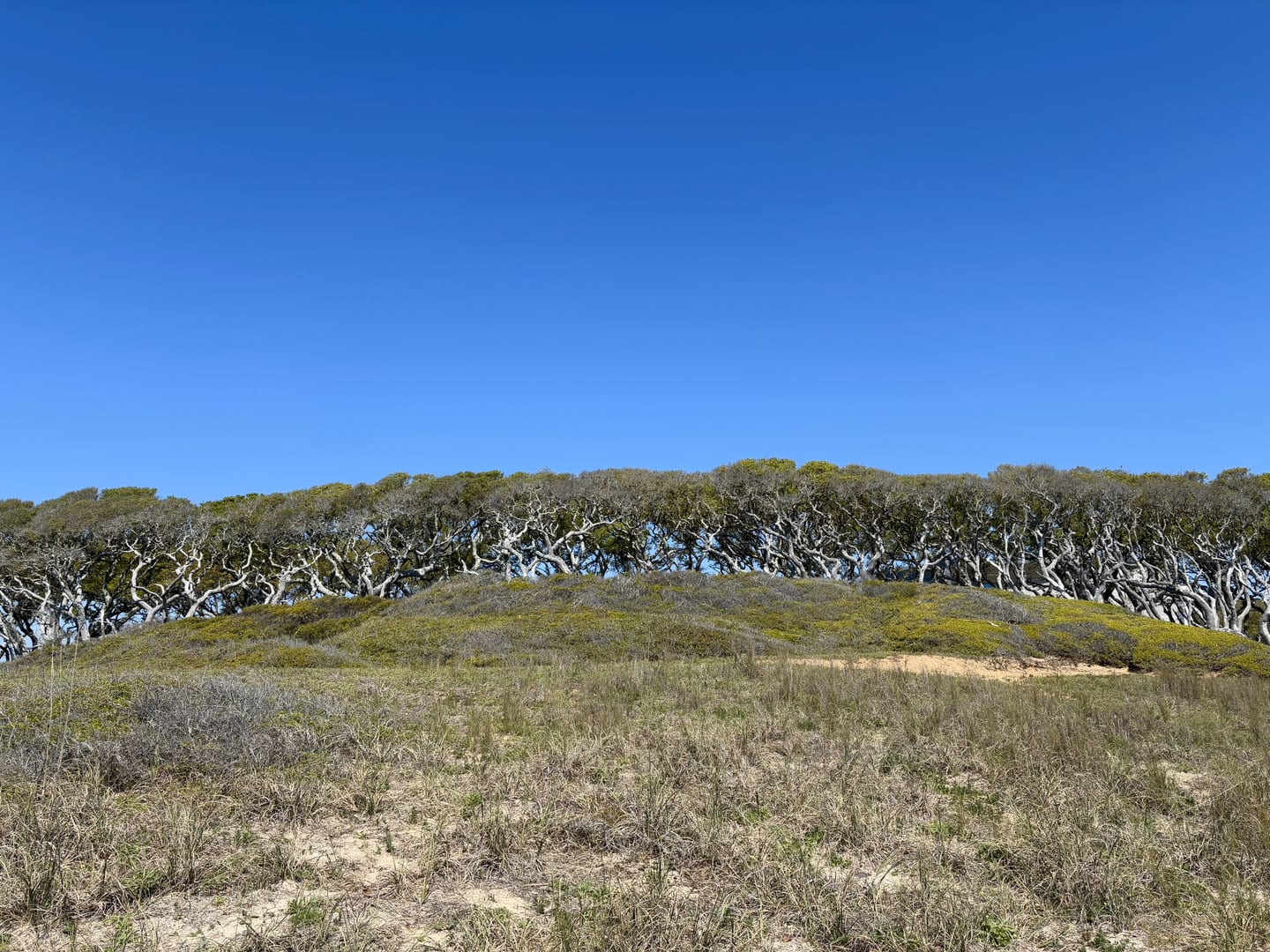
On June 28, 1778, General Charles Lee led the advance force but ordered a poorly explained retreat almost immediately after contact. Washington arrived to find his troops falling back and reportedly confronted Lee on the field before personally rallying the men. The Continental line held a defensive position along the hedgerow near the Parsonage farm, and the British counterattack stalled. What followed was the largest artillery duel of the entire war, with American guns on Combs Hill trading fire with British batteries for three hours. After nightfall, Clinton resumed his march and slipped away toward Sandy Hook. The battle was tactically inconclusive; Washington claimed a moral victory, and the performance of the retrained Continental infantry confirmed the value of von Steuben's winter work.
Casualties on both sides ran to several hundred killed and wounded, with heat-related deaths adding to the toll — one of the hottest June days on record in New Jersey, with temperatures estimated above 100 degrees. The British buried their dead before withdrawing; American casualties were interred on the field.
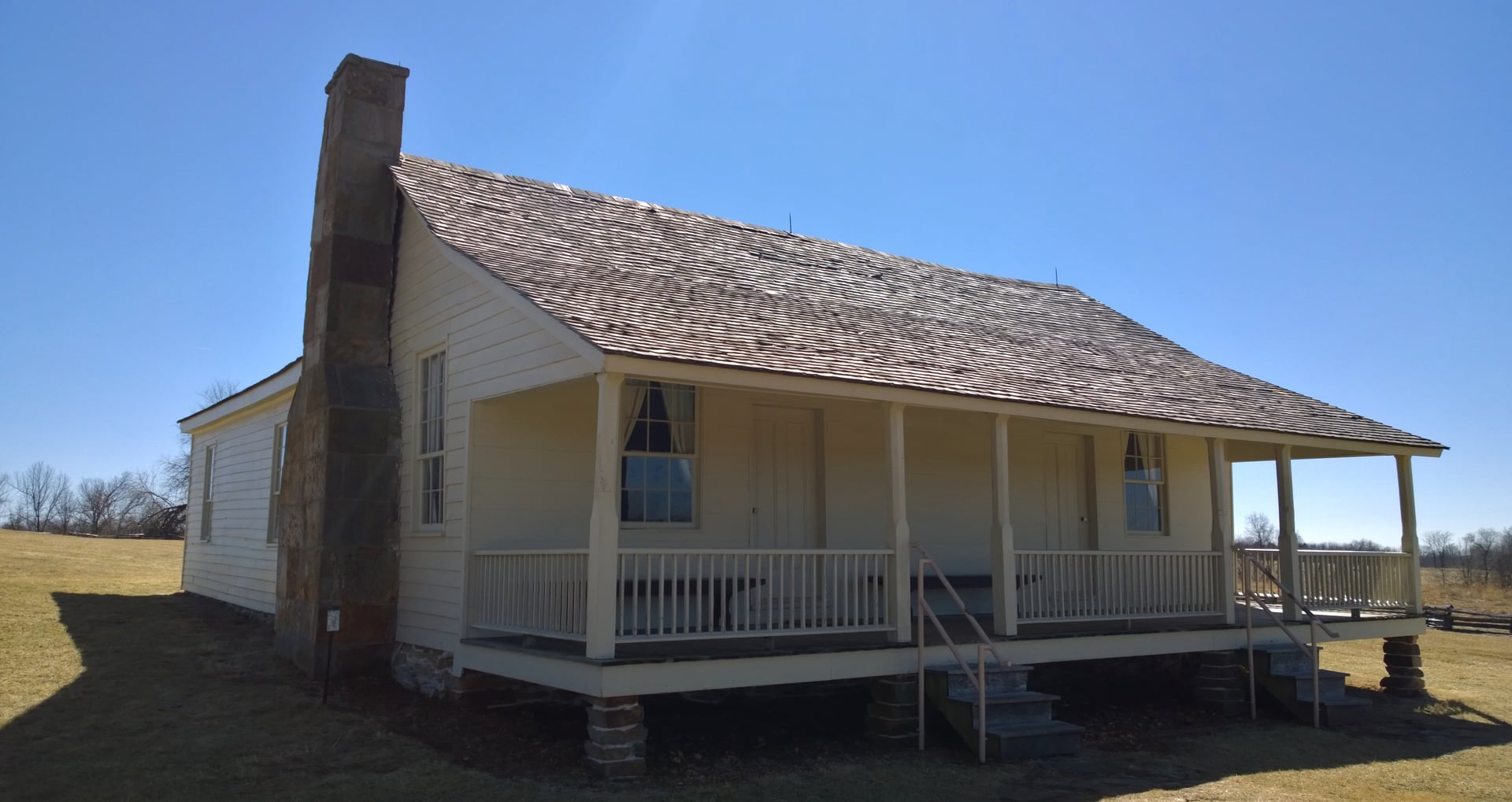
The park preserves the Craig House, a 1710 farmhouse used as a field hospital, the Molly Pitcher spring and cenotaph, the Sutfin farmhouse, and the artillery positions on Combs Hill. It was designated a National Historic Landmark in 1961 and remains managed by the New Jersey Division of Parks and Forestry.
Sources
- https://dep.nj.gov/parksandforests/state-park/monmouth-battlefield-state-park/
- https://en.wikipedia.org/wiki/Monmouth_Battlefield_State_Park
- https://www.battlefields.org/visit/battlefields/monmouth
Wailing soundsEVP capturesHeadless apparitionWeeping figureCold spots
Reports of paranormal activity at Monmouth Battlefield cluster around the same areas where the fighting was most intense: the hedgerow line, the Molly Pitcher spring, and the long meadows near the Craig House. The most commonly described phenomenon is sound — a wailing or crying audible on quiet summer afternoons, attributed to soldiers who died of heatstroke as well as those killed in the fighting. Paranormal investigators who have documented the site over multiple visits report more than twenty EVP captures in a single session, including a distinct voice saying 'hello' in an area with no other people present.
Sightings of apparitions are less common but recur across independent accounts. A headless figure has been described moving through the hedgerow zone. A second figure, described as a weeping man in period clothing, appears near what sources identify as the forward American position. Neither apparition has been connected to a named individual; the sheer number of dead and the chaotic nature of the burial process makes specific attribution difficult.
The site's documented paranormal investigators note that the battle anniversary date in late June tends to produce the densest cluster of reported activity. The Ovilus and spirit-box sessions conducted on or near June 28 have generated results that investigators treat as anomalous. The park makes no claims about hauntings in its official programming, but the battlefield draws an active community of overnight-permitted investigators.
Where this legend is told