Est. 1748 · Revolutionary War Battlefield · Fort Mercer · Battle of Red Bank 1777 · Quaker Heritage · Delaware River Defense
In 1748, James and Ann Whitall established a 400-acre plantation on the Delaware River at Red Bank, in what is now National Park, Gloucester County, New Jersey. The farm included orchards, a lumberyard, a fishery, livestock, and a ferry. Ann and James were Quakers.
On October 22, 1777, Hessian forces under Colonel Carl von Donop attacked Fort Mercer, the American fortification positioned at Red Bank to deny the British use of the Delaware River for supply and transport. The battle resulted in significant Hessian casualties — von Donop was mortally wounded — and an American defensive success. Fort Mercer and its sister installation, Fort Mifflin on the Pennsylvania shore, held the river for weeks longer before ultimately being abandoned.
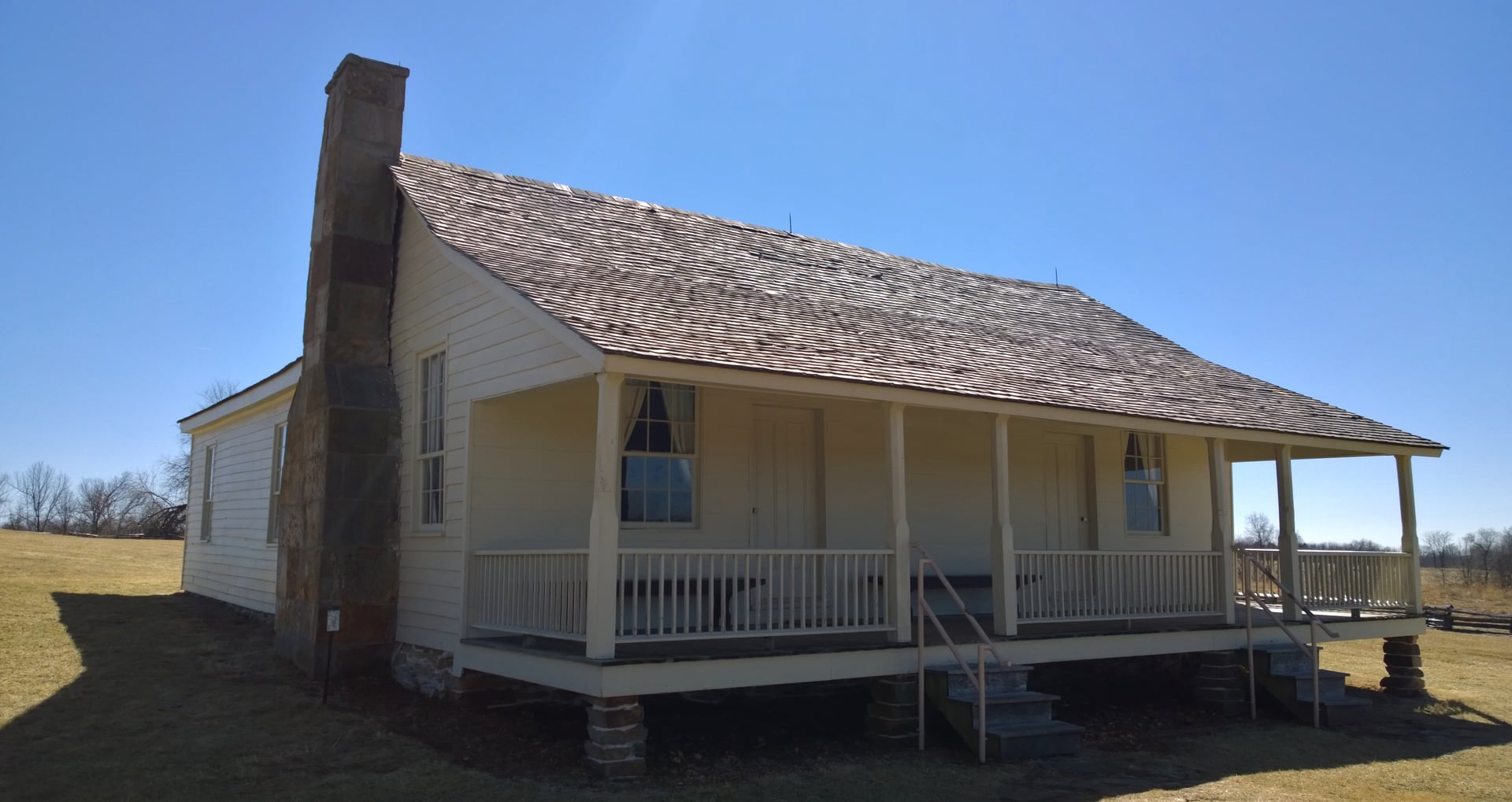
During and after the battle, the Whitall house functioned as a field hospital for the wounded of both sides. Ann Whitall became locally famous for remaining at her spinning wheel during the artillery exchange — a detail that passed directly into regional folklore and earned her the designation 'Heroine of Red Bank.' James and Ann are commemorated at the park's interpretive center.
The battlefield is maintained by Gloucester County. The Whitall house is preserved and open for tours from April through October. The park's historically maintained gardens are cultivated by volunteers. A Butterfly House operates seasonally from June through September.
Sources
- https://www.gloucestercountynj.gov/671/Red-Bank-Battlefield
- https://en.wikipedia.org/wiki/Red_Bank_Battlefield
- https://www.journeythroughjersey.com/sites/red-bank-battlefield-park/
Phantom soundsApparitionsTouching/pushing
The Whitall House's paranormal reputation flows directly from its documented use as a Revolutionary War field hospital. Witnesses over the years have reported audible moaning and breathing in the rooms that served as medical spaces during and after the October 1777 battle — sounds that have no apparent natural source.
A small girl delivering water has been seen near the Whitall House in accounts that describe her as apparitional — present, then gone. Whether this figure reflects a documented historical child connected to the battle or represents an independent report is not clear from available sources.
At least one paranormal investigator described feeling a sensation of physical pressure during a walkthrough of the site, a reported phenomenon common to field hospital locations where the emotional and physical weight of mass casualties is concentrated.
The official Gloucester County programming at the park does not foreground paranormal history. Tours and interpretive materials focus on the Revolutionary War engagement, the Whitall family, and the African American soldiers who participated in the Battle of Fort Red Bank. The paranormal layer exists alongside this official interpretation rather than within it.