Most commonly cited birthplace of the Jersey Devil, per Atlantic County and NJ state government records · Leeds family colonial landholding — Daniel Leeds's almanac controversies preceded the legend · Site of former Shroud house associated with Mother Leeds · New Jersey's official state demon legend, continuous since 1735
The Leeds family established itself in the New Jersey colony in the late 17th century. Daniel Leeds arrived around 1677 and became a significant if contentious figure in colonial South Jersey: a surveyor, astrologer, and publisher of almanacs that placed him at odds with the dominant Philadelphia Quaker community, which accused him of occult practices. His almanac, The American Almanack, ran from 1687 to 1716 and was nationally notable enough to be pilloried by Benjamin Franklin in Poor Richard's Almanack. The combination of astrological content and Quaker conflicts gave the Leeds name a reputation for darkness before any devil story attached to it.
The legend most commonly told says that in 1735 a woman known as Mother Leeds — sometimes given the name Jane Leeds — cursed her 13th child during labor, saying it would be the devil's. The newborn, according to the tradition, transformed into a winged creature with a horse's head, cloven hooves, and a forked tail; it escaped up the chimney and disappeared into the Pine Barrens. The story circulated in South Jersey oral tradition for decades before appearing in print.
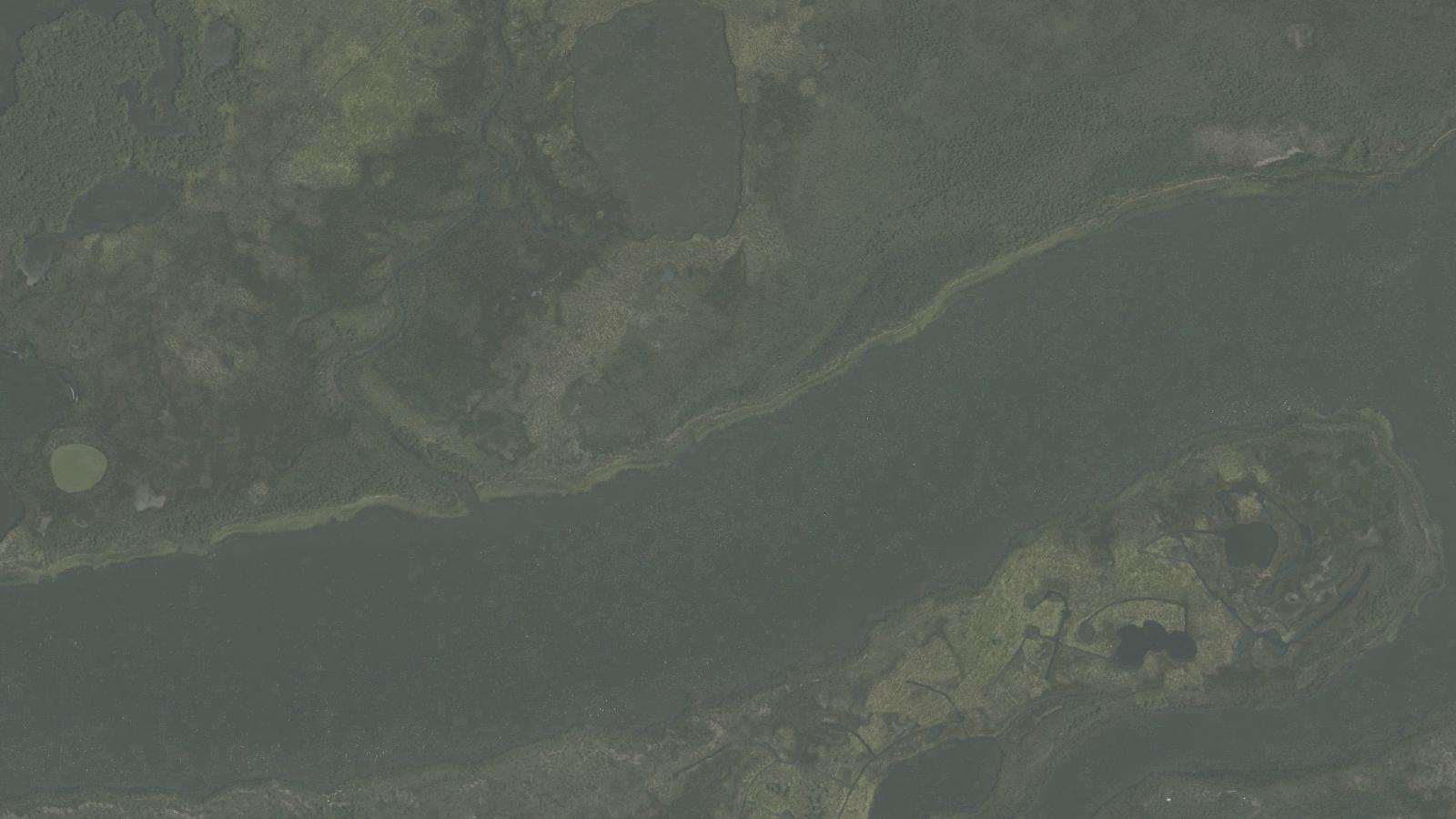
The specific location within Leeds Point associated with the birth is the site of the former Shroud house, which stood on the marshland side of Leeds Point Road. The structure no longer exists; a depression marks where the foundation was. Atlantic County government documentation and New Jersey state government materials both identify Leeds Point as the primary candidate for the creature's birthplace, distinguishing it from competing claims in Burlington County.
The Jersey Devil became New Jersey's official state demon in 1938, and the Leeds Point connection has been consistently upheld in both popular and governmental treatments of the legend. The creature is one of the oldest continuous cryptid legends in North America, with documented sightings spanning from the 18th century through the early 20th century's mass sighting wave in January 1909.
Sources
- https://en.wikipedia.org/wiki/Jersey_Devil
- https://www.atlanticcountynj.gov/government/government-information/history-of-atlantic-county/jersey-devil-fact-or-fiction
- https://www.nj.gov/nj/about/famous/nj_devil.shtml
- https://www.gsnsp.com/jersey-devil-history-mother-leeds-sightings-origins/
Winged creature with horse's head and cloven hoovesMass sighting wave January 1909 across South Jersey and PhiladelphiaTracks in snow documented during 1909 eventsOngoing contemporary sighting reports in Pine Barrens
The 1735 birth story is the core of the Leeds Point legend. Mother Leeds — the name given to the woman in the earliest versions — is said to have declared during a difficult labor that her 13th child could be the devil's. The newborn transformed immediately upon arrival, growing wings, a horse's head, hooves, and a forked tail, then fled up the chimney and into the surrounding Pine Barrens. The story traveled through South Jersey oral tradition for more than a century before entering print.
The January 1909 sighting wave stands as the best-documented period of Jersey Devil activity. Over roughly a week in mid-January, newspapers across South Jersey and Philadelphia reported dozens of encounters: a postmaster in Woodbury describing a creature with wings and a horse's head; tracks in the snow across multiple properties; a Bristol, Pennsylvania, police officer firing at the creature. Zoos offered rewards. Schools closed in some towns. The episode was covered by newspapers as far away as New York and produced what became the standard visual description of the creature.
Atlantic County government and the New Jersey state government both acknowledge Leeds Point as the primary birthplace candidate in their historical documentation. The competing claim — Mount Holly in Burlington County — has fewer primary-source citations. The Leeds family's documented presence in the area and Daniel Leeds's historical reputation for heterodox beliefs give the Leeds Point tradition a firmer genealogical base than most cryptid origin stories carry.
The Shroud house site, now only a ground depression, draws visitors who treat the spot as a pilgrimage destination. The Atlantic County Historical Society has published materials on the Leeds family's colonial history as distinct from, though related to, the creature legend.
Notable Entities
Mother Leeds (Jane Leeds, traditional origin figure)Daniel Leeds (colonial-era ancestor, almanac publisher)
Media Appearances
- Jersey Devil coverage — Philadelphia and South Jersey newspapers (Newspaper, 1909)
Where this legend is told