Est. 1869 · 1860s Victorian Architecture · Nebraska City River-Trade Era · Preserved House Museum
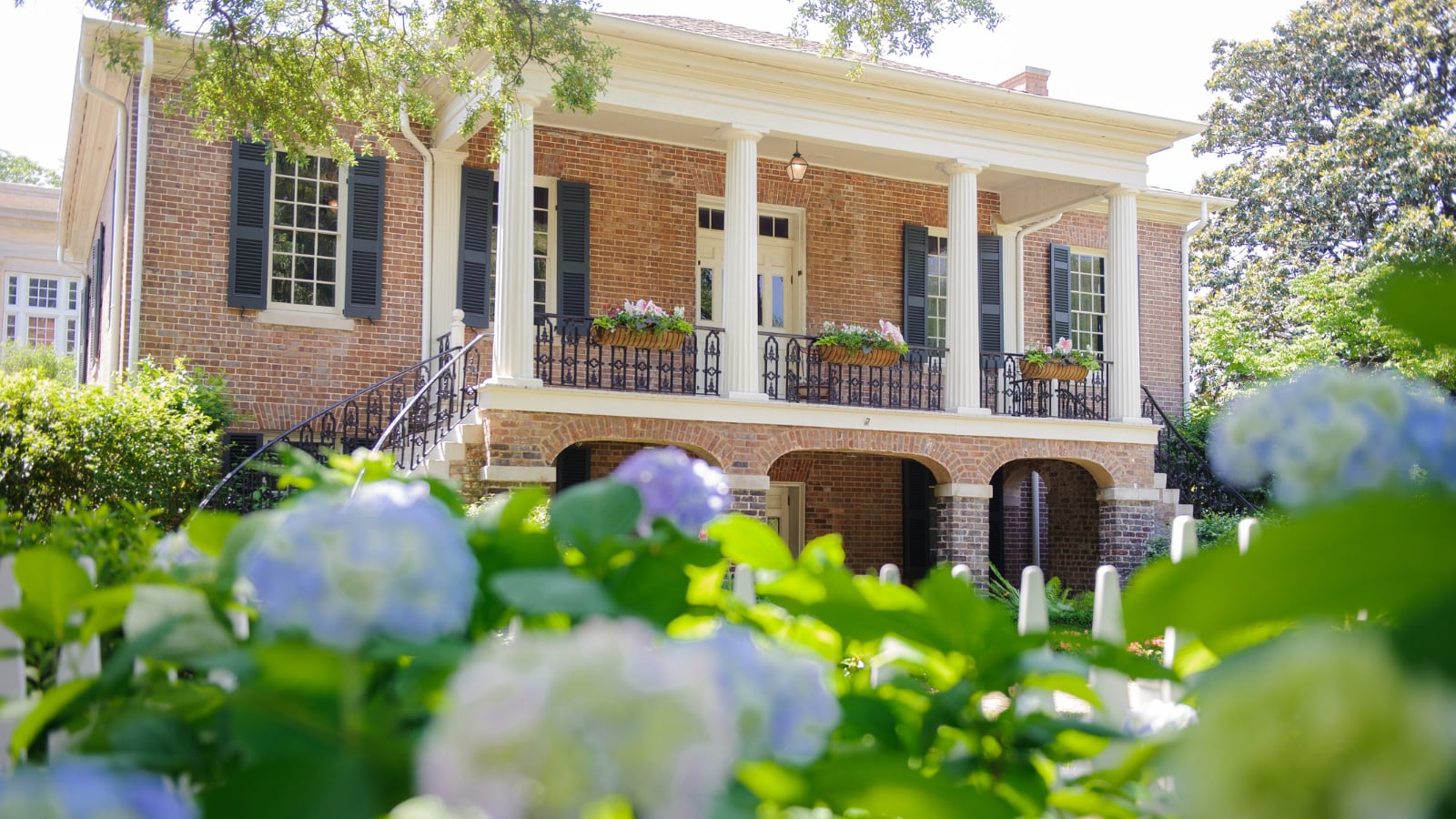
Wildwood was built in 1869 for Jasper A. Ware and his wife Ellen, members of the early merchant community of Nebraska City, then one of the busiest river-trade and freighting towns on the Missouri River. The two-story brick house follows a Gothic-influenced Victorian plan with ten rooms, and it survives as one of the better-preserved 1860s residences in the area.
The house remained a private residence into the twentieth century before passing into the care of a local nonprofit that operates it as a museum. Rooms are furnished to reflect the late-Victorian period, and docents lead visitors through the main floors while describing the Ware family and the daily life of a prosperous Nebraska City household of the era.
The property today is managed as the Wildwood Historic Center, which includes the house, a gift shop, and a restored Victorian garden. The center operates on a seasonal schedule and is promoted through the Nebraska tourism board as a Nebraska City heritage site. Its long continuity of ownership and restoration has kept much of the original interior intact, which is part of its draw for visitors interested in regional architecture and the river-town history of southeastern Nebraska.
Sources
- https://www.wildwoodhistoriccenter.org/
- https://visitnebraska.com/nebraska-city/wildwood-historic-house-gift-shop-and-victorian-garden
ApparitionsPhantom footstepsDisembodied voicesBattery drain
The house's paranormal reputation centers on a small set of recurring reports rather than any single dramatic claim. The figure mentioned most often is a woman in a long black dress, seen or sensed in the kitchen. Other accounts describe footsteps moving through the dining room when the floor is empty and the sound of children's voices on the upper floor.
Visitors and at least one local paranormal group have also reported the common investigation-night experience of fresh flashlight batteries draining quickly. None of these reports is tied to a documented death in the house, and the stories should be read as folklore attached to a well-preserved Victorian interior rather than as established history.
The accounts are benign in tone, consistent with the way many historic house museums accumulate ghost stories over decades of tours. The center itself is operated as a daytime heritage site and history museum, not as a haunted attraction.
Notable Entities
Woman in a black dress