Historic Lincoln Parks
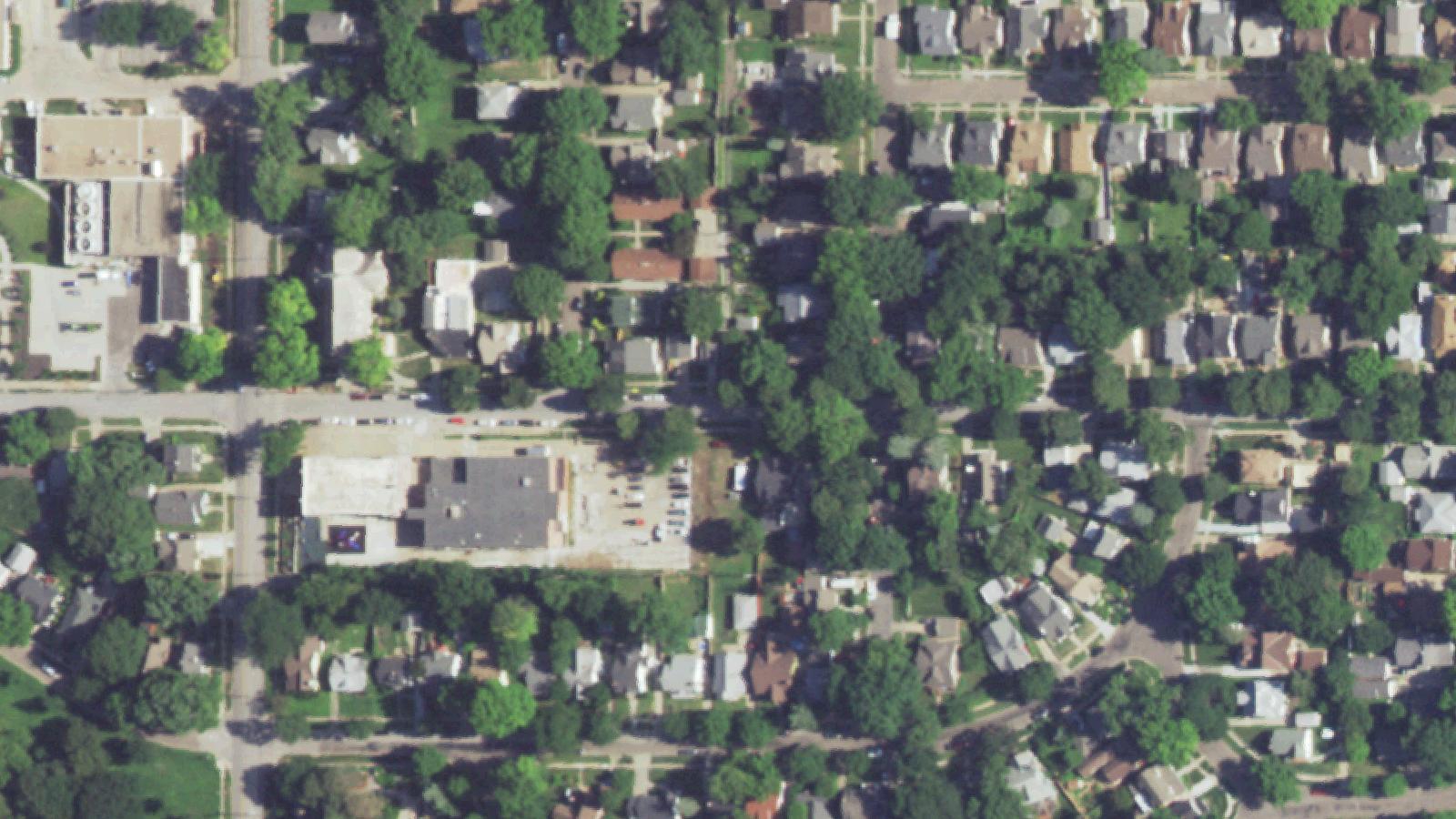
Rudge Memorial Park sits at 1565 Lake Street in Lincoln's Near South neighborhood, accessible from four different side streets between 14th and 17th. The park occupies land that served as a dairy farm before being converted to a skating rink that drew much of Lincoln's youth.
The lake that gave the park its informal name — Lake Street Lake — was eventually drained after multiple accidental deaths on the premises. The most prominent of the incidents in local legend involves a child pursued into the park by bullies who killed him. The original tree from the dairy farm period remained after draining and still stands in the park as a reference point for stories about the site.
Charles Rudge provided funding for the park's later restoration; he died unexpectedly of blood poisoning, which local lore has folded into the park's narrative of misfortune. The park is one of three contiguous historic parks in Lincoln, alongside Irvingdale and Stransky Parks.
The specific identity of the boy described in the folklore, and any documentary evidence of his killing, has not been located in newspaper archives or court records through this research.
Sources
- https://b1073.com/2023/10/19/137998/
- https://www.lincoln.ne.gov/City/Departments/Parks-and-Recreation/Parks-Facilities/Parks-A-to-Z/Rudge-Park
Apparitions
The legend at Rudge Memorial Park centers on a young boy, unnamed in any source, who was pursued into the park and killed. Accounts circulating in Lincoln's paranormal lore report that witnesses have seen his ghost near the former lake bed, most frequently in winter and most frequently at the old tree believed to date from the dairy farm period.
A local author, Tayden Bundy, included the Lake Street Lake account in his book Beyond Lincoln: A History of Nebraska Hauntings, which brought renewed attention to the story. The radio station B107.3 in Lincoln carried a segment on the legend in October 2023.
The connection between the Lake Street Lake legend and documented history is thin. No newspaper record, court document, or named victim has been identified through available sources. The drained lake, the surviving tree, and the atmospheric winter setting are the physical elements around which the story has organized itself over time.
Winter visitors have described seeing a figure near the tree and near the creek that once fed the lake. Whether the sightings constitute genuine anomalous experience or are products of expectation in a well-publicized haunted location is an open question.
Media Appearances
- Beyond Lincoln: A History of Nebraska Hauntings (book)