Est. 1897 · Reputed Oldest Standing High School in Nebraska · 1890s School Architecture · Cherry County Historical Museum
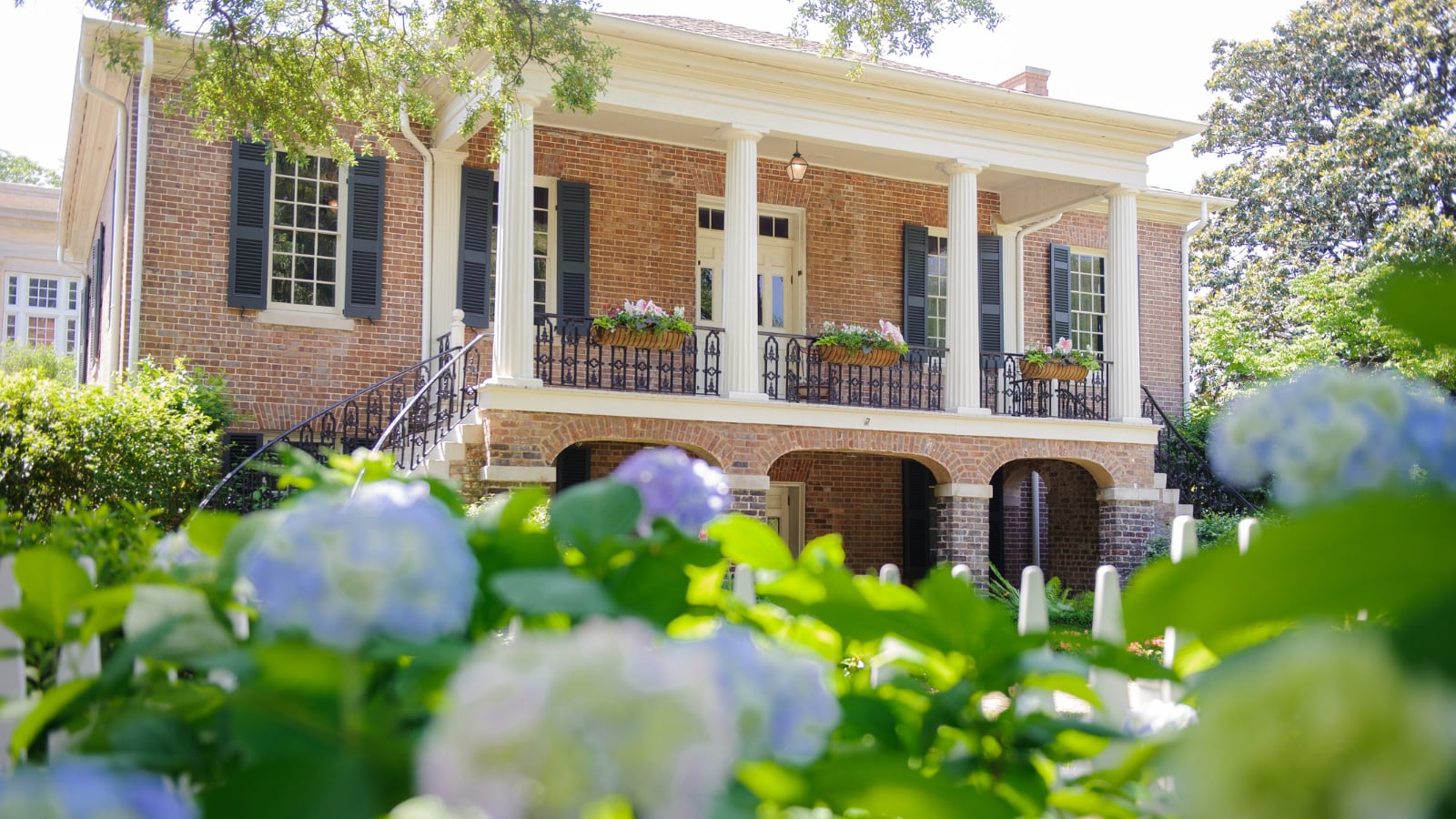
Centennial Hall was constructed in 1897 in Valentine, the seat of Cherry County in north-central Nebraska's Sandhills. The two-story brick building served as the town's high school and is reputed to be the oldest standing high-school building in the state.
After its use as a school ended, the building was preserved and converted into a museum operated by the Cherry County Historical Society. Its exhibits cover the history of Valentine and the surrounding ranch country, and the building itself, with its period classrooms, is part of the draw.
The museum is promoted through the Valentine tourism board as one of the community's anchor heritage sites. Like many surviving nineteenth-century schools, it has accumulated local stories over its long life, the most repeated of which concerns the music room. Local interest in that legend has been documented by visitors and writers, while newspaper research into the underlying claim has not turned up a supporting record — a detail the building's caretakers acknowledge.
Sources
- https://visitvalentine.org/history-culture/
- https://jennyclarinet.com/2020/10/this-former-school-is-haunted-by-the-ghost-of-a-clarinetist
- https://visitvalentine.org/places/centennial-hall-museum/
Phantom musicSelf-rocking chairCold spots
The building's best-known story concerns a student musician said to have died in 1944 after using a poisoned clarinet reed. From this premise grew the reports that give the legend its life: faint clarinet or piano music heard in the music room when it is empty, and a chair that visitors say rocks on its own.
The death itself does not hold up to checking. Research into local newspaper records turned up no death matching the story, which means the poisoned-reed account should be read as folklore rather than history. That kind of debunking is unusual for a small-town ghost story and is part of what makes Centennial Hall's legend notable — the tale persists even though its central claim has no documentary support.
What remains are the experiential reports tied to the music room, repeated by visitors over the years. The museum does not present itself as a haunted attraction, and the legend circulates mainly through local retelling and regional writing about the building.