Overnight Stay Booking Required
Stay in the Historic Inn
Book one of 20 individually decorated guest rooms inside the 1915 mansion James B. Duke expanded into a 45-room estate, now run as a nonprofit boutique inn.
- Duration:
- 12 hr
HauntBound archive · catalog record
Reported phenomena, as catalogued
1915 Myers Park mansion once home to tobacco magnate James B. Duke, now a historic inn
400 Hermitage Road, Charlotte, NC 28207
Research updated August 2026
Age
All Ages
Cost
$$$
Overnight rooms and event bookings vary by date; the 4.5-acre gardens are free to visit for daylight strolling on most days, closing for private events (check in with the front desk).
Access
Wheelchair OK
Landscaped Myers Park grounds and formal gardens; paved walkways.
Equipment
Photos OK
Est. 1915 · National Register of Historic Places (1978) · James B. Duke residence, 1919–1925 · Birthplace of The Duke Endowment's founding plan
Zeb Taylor built the original Colonial Revival house at 400 Hermitage Road in 1915, in Charlotte's then-new Myers Park neighborhood. In 1919, industrialist James Buchanan Duke — founder of Duke Energy and the namesake of Duke University — bought the property and had architect Charles Christian Hook triple its size, adding an "H"-shaped wing that brought the house to 45 rooms and 12 bathrooms. Duke used the mansion as his Southern base, and in 1924 he worked from its solarium on the plan for The Duke Endowment, the philanthropic trust that still distributes more than $200 million annually across the Carolinas. The house was added to the National Register of Historic Places on January 20, 1978 (reference #78001963).
After Duke's death in 1925, the property passed through several owners: broadcaster C.C. Coddington, then the Cannon textile family, who renamed it White Oaks in 1929. The Cannons later transferred it to Myers Park Presbyterian Church for preservation, and Henry and Clayton Lineberger purchased the mansion in 1957; a fire gutted the third floor in 1966, after which the Linebergers restored the mansion, eventually leaving it to The Duke Endowment when Mr. Lineberger died in 1976.
Rick and Dee Ray purchased and reunified the subdivided property in the late 1980s, and the nonprofit Lynnwood Foundation converted the mansion into a historic inn and event venue by 1998, the use it retains today.
Sources
Charlotte-based ghost-tour company Queen City Ghosts and several local haunted-history writers describe the mansion's best-known ghost story: a man named Jon Avery is said to have promised a woman he was involved with that he would come to her "dead or alive" after their affair ended. In the story, when he failed to appear at a planned late-night meeting a year later and she reached out to touch him, her hand passed through his wrist; she reportedly learned afterward that he had died the week before. Visitors and staff over the years have described seeing a figure in dark, formal clothing near the edge of the terrace at night.
The Duke Mansion's own operators do not market the property around this story, and it circulates mainly through Charlotte's ghost-tour and local-legend writing rather than any documented incident tied to a specific historical resident.
Notable Entities
Book one of 20 individually decorated guest rooms inside the 1915 mansion James B. Duke expanded into a 45-room estate, now run as a nonprofit boutique inn.
Walk the mansion's 4.5-acre gardens, free to visit for daylight strolling on most days (closing for private events; check in with the front desk), on the grounds where James B. Duke first conceived the philanthropic endowment that became The Duke Endowment.
Some links on this page may earn HauntBound a small commission when you book, at no extra cost to you. Our editorial picks are independent. Full disclosure
See current room rates and availability at Duke Mansion (White Oaks).
Check rates and bookRates come from booking partners, so a small property may not be listed. Book direct with Duke Mansion (White Oaks)
Every HauntBound history is researched from documented sources. We clearly separate verified historical fact from paranormal folklore.
Free Guide
10 verified stops, rated for families, mapped in order. Free.
One email to confirm, then the guide link. Unsubscribe anytime.
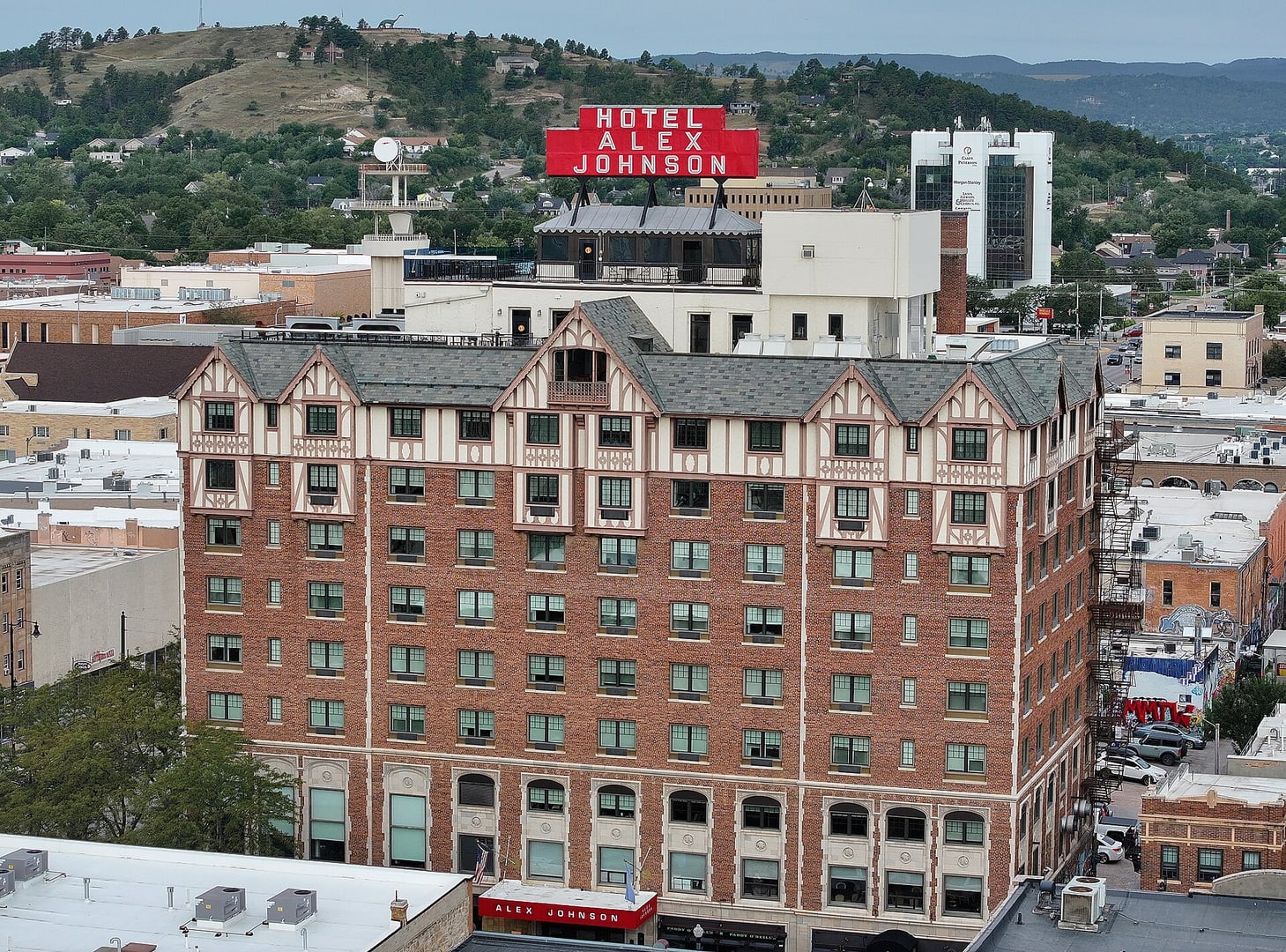
Rapid City, SD
The Hotel Alex Johnson began construction in 1927 and opened July 1, 1928, in downtown Rapid City as the vision of Alex Carlton Johnson. The Art Deco masterpiece represents early 20th-century hospitality luxury, featuring architectural distinction and historical significance throughout the Black Hills region. Johnson himself operated the hotel until his death in 1938. The facility has remained continuously operational and is now part of the Curio Collection by Hilton.
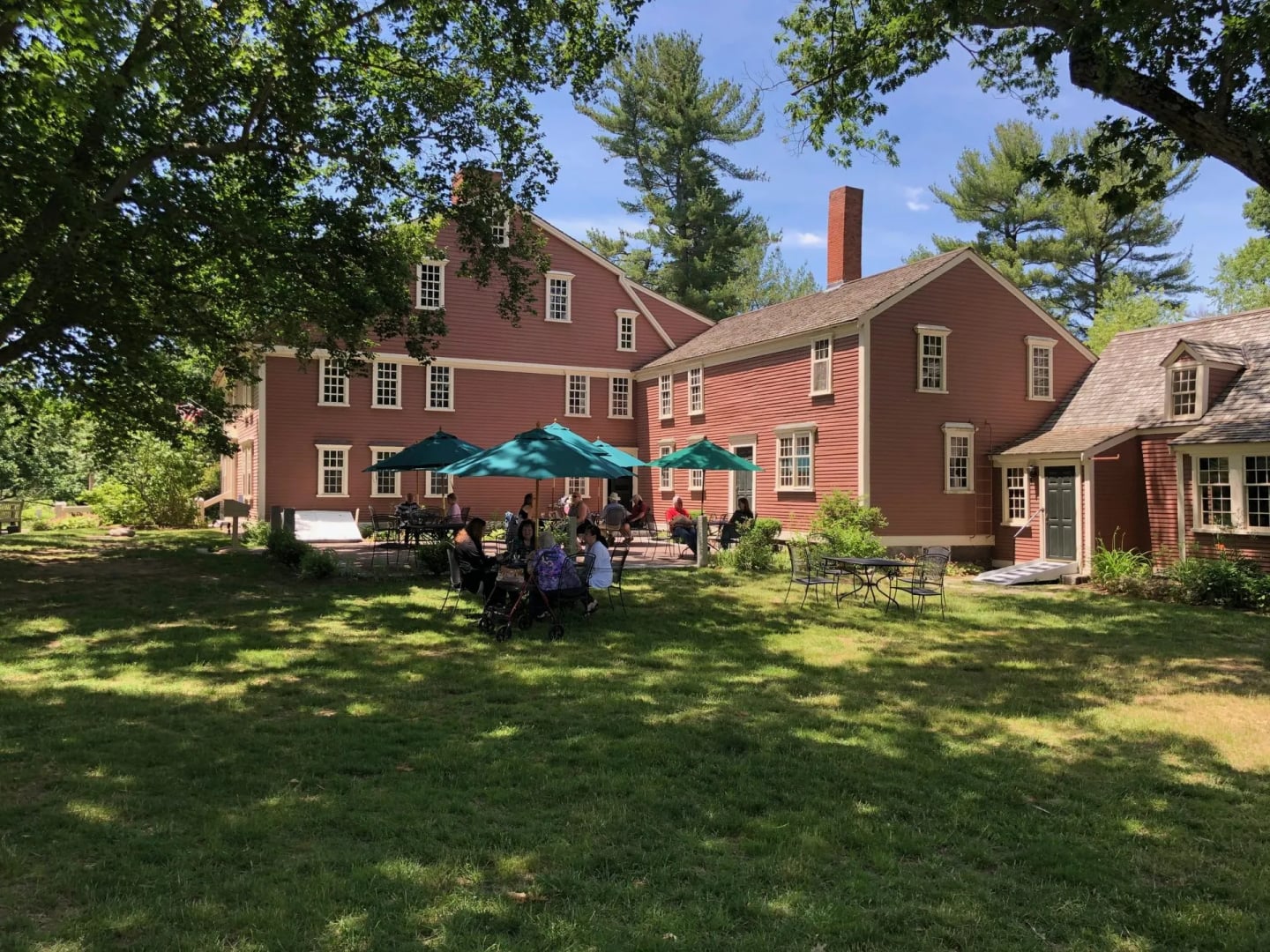
Sudbury, MA
Longfellow's Wayside Inn began in 1716, when David Howe licensed his family's Sudbury farmhouse on the Boston Post Road as a house of entertainment. Five generations of Howes ran it until Lyman Howe died childless in 1861, closing the inn for 36 years. Poet Henry Wadsworth Longfellow visited the shuttered building in 1862 and used it as the setting for his 1863 poetry collection Tales of a Wayside Inn. Edward Lemon reopened it to the public in 1897; Henry Ford bought the property in 1923, rebuilt it after a 1955 fire gutted the interior, and it reopened in 1958 under the nonprofit foundation that still runs it today.
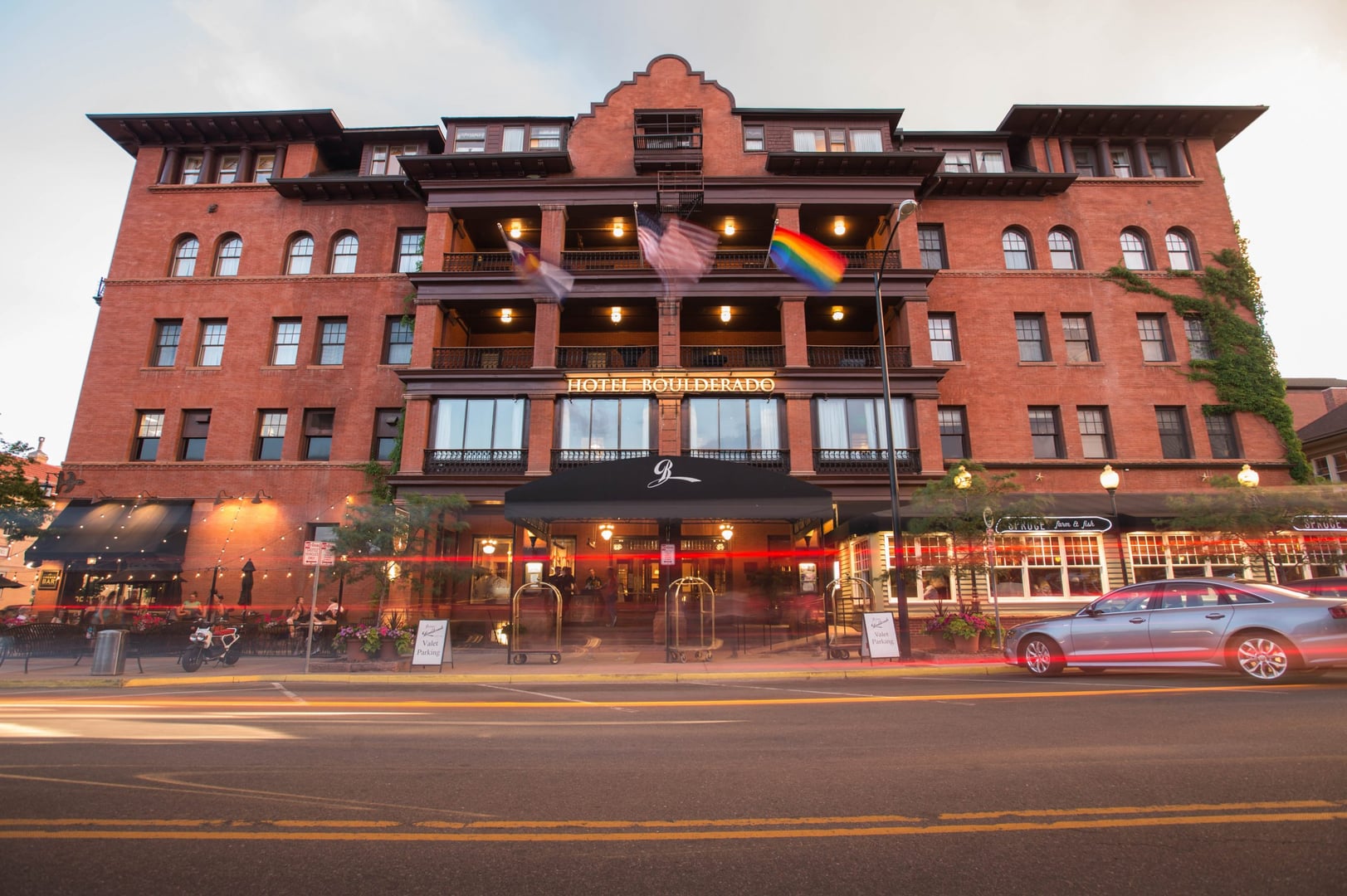
Boulder, CO
The Hotel Boulderado opened on January 1, 1909, after years of community fundraising. It is listed on the National Register of Historic Places and has been a centerpiece of downtown Boulder's social and commercial life for more than a century.