Est. 1867 · Established 1867 for Union dead from the Battle of Wilson's Creek (1861) · Confederate section added 1871 — one of few national cemeteries with both armies · 14,685 burials representing multiple wars from Revolutionary through modern · National Register of Historic Places listed August 27 1999 · Monuments to Union General Nathaniel Lyon and Confederate General Sterling Price
The Battle of Wilson's Creek, fought on August 10, 1861 near Republic, Missouri, was the first major Civil War engagement west of the Mississippi River. More than 2,000 men fell in a single day's fighting; Union General Nathaniel Lyon was killed, becoming the first Union general to die in battle during the war. The Springfield National Cemetery was established in 1867 specifically to provide proper interment for Union soldiers who had died in and around Springfield during the war's Missouri campaigns.
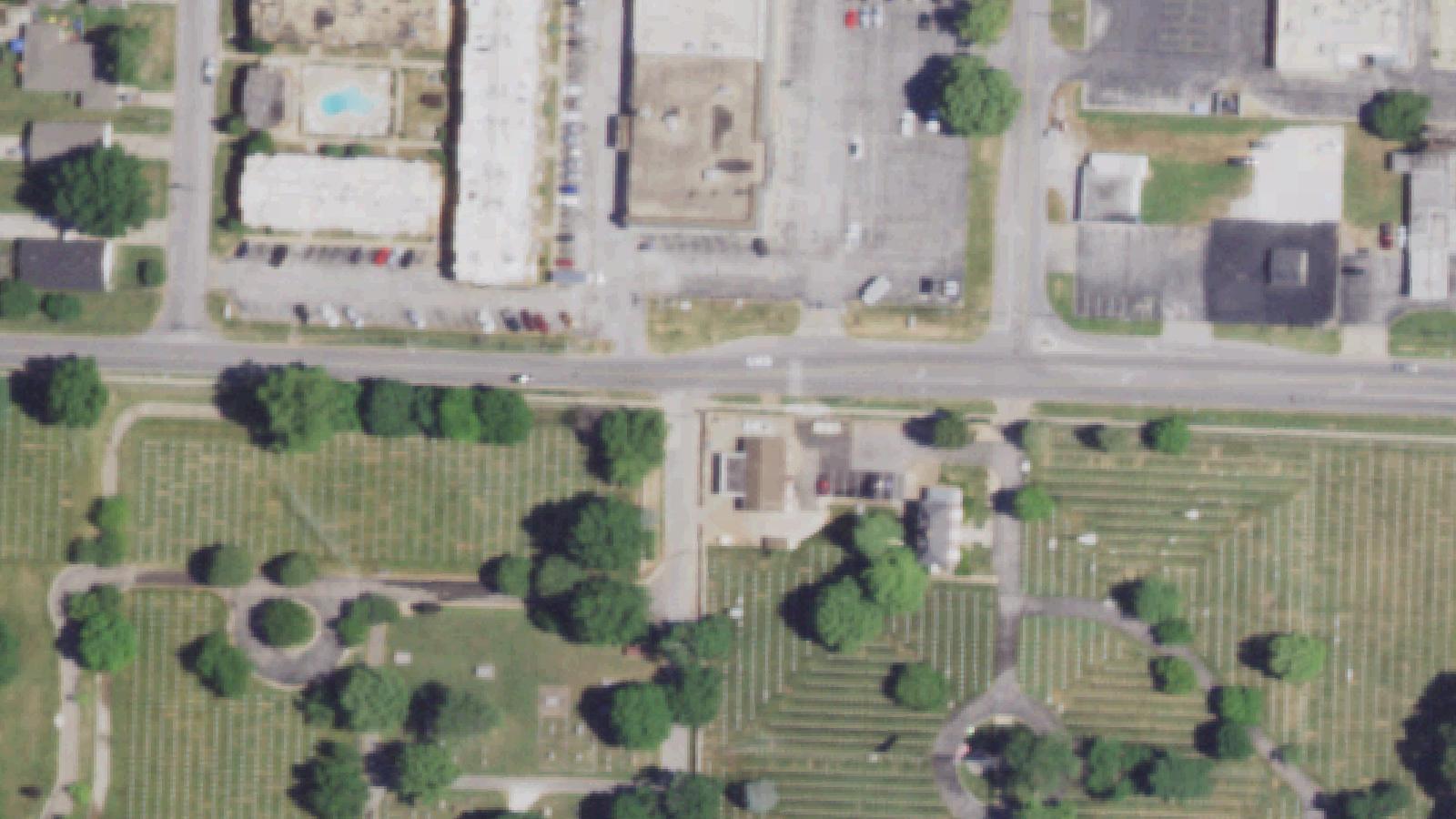
In 1871, the Confederate Cemetery Association established a six-acre section within the grounds for Confederate dead, creating an unusual configuration for a national cemetery — a federal burial ground holding both armies. Monuments within the cemetery honor General Lyon on the Union side and General Sterling Price on the Confederate. The cemetery spans 18.1 acres and as of 2005 held 14,685 burials, representing veterans from conflicts ranging from the Revolutionary War through more recent service.
The cemetery was added to the National Register of Historic Places on August 27, 1999. It is administered by the Department of Veterans Affairs National Cemetery Administration and remains an active burial site for eligible veterans and their dependents. The connection to Wilson's Creek is maintained through interpretation at the Wilson's Creek National Battlefield, operated by the National Park Service about ten miles southwest.
Sources
- https://en.wikipedia.org/wiki/Springfield_National_Cemetery
- https://www.battlefields.org/visit/heritage-sites/springfield-national-cemetery
- https://www.cem.va.gov/cems/nchp/springfield.asp
Apparitions of Civil War soldiers in period uniformGlowing headstones in the Confederate sectionUnexplained fog banks forming near oldest burial areasPeripheral movement near older monuments
Springfield National Cemetery's paranormal accounts draw directly from its Civil War origins. Visitors have reported seeing apparitions in period military dress — both blue and gray — walking among the headstones in the older sections of the grounds. The Confederate section, added in 1871 and set apart from the main federal rows, is most often cited in accounts of glowing headstones observed after dark and figures that appear and vanish without transition.
Unexplained fog formations reported by visitors near dusk are a recurring element in local accounts, appearing on clear evenings in the low-lying areas near the oldest Civil War sections. Some investigators have noted that the dual nature of the cemetery — with soldiers from opposing armies interred in the same grounds — creates an unusual dynamic compared to single-force burial sites.
Because Springfield National Cemetery is an active federal burial site, visits are limited to daylight hours and nighttime investigation access is not available. The most consistent paranormal accounts come from daytime visitors who report sensing a presence or seeing movement in peripheral vision near the older monuments.
Notable Entities
Union General Nathaniel Lyon — first Union general killed in Civil War, commemorated by monument