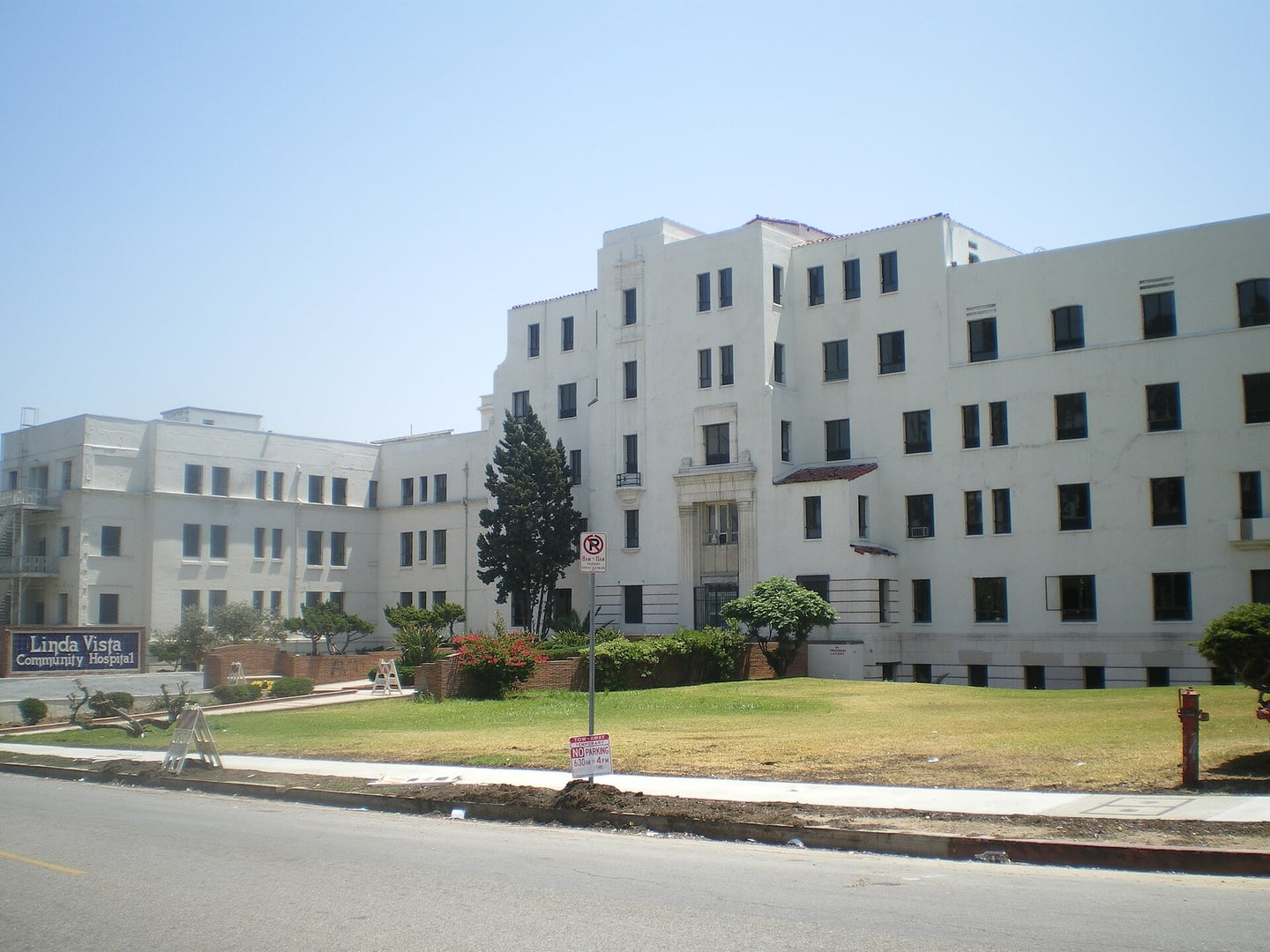
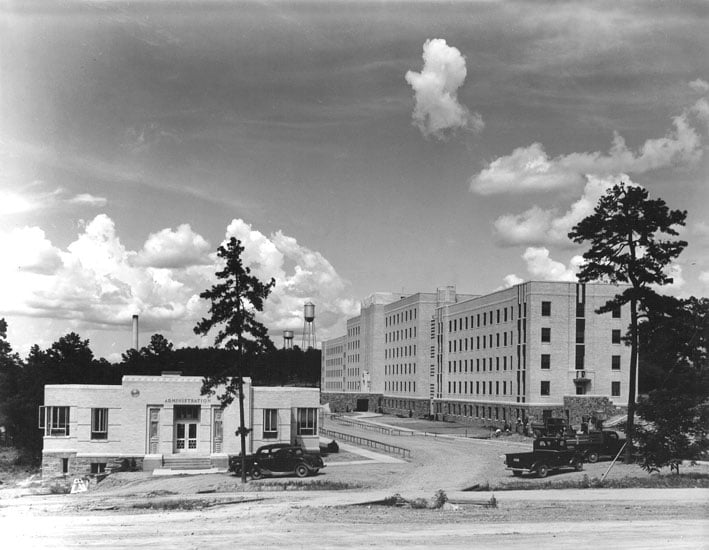
Est. 1912 · National Register of Historic Places · Albert Groves Georgian Revival Architecture · Adaptive Reuse Condominium Development
The St. Louis City Hospital was founded by the City of St. Louis in 1845 in response to a widespread cholera outbreak that overwhelmed the existing health infrastructure. The first hospital structure on the Lafayette Avenue site was completed in 1846 and was destroyed by fire in 1856. A second hospital opened in 1857 and operated until 1896, when it was destroyed by the tornado known locally as the Great Cyclone of 1896.
City planners commissioned the architectural firm Grable, Weber & Groves, with Albert Groves as principal designer, to produce the Georgian Revival replacement building that has anchored Lafayette Avenue since 1912. The new City Hospital occupied the same site as the cyclone-wrecked predecessor and operated continuously from 1912 until 1985.
Following closure in 1985 the complex sat unused. The administrative building escaped demolition when the structure was placed on the National Register of Historic Places in 2001. Adaptive-reuse developer Gilded Age, working with Trivers, redeveloped the building into more than 100 residential units known as The Georgian Condominiums. The property was the first structure of the old hospital complex to be restored after closure and remains a landmark of the Peabody Darst Webbe neighborhood.
Sources
- https://www.thegeorgian1515.com/our-building-history/
- https://www.stlouis-mo.gov/archives/sldc/brownfields/old-city-hospital-complex.cfm
- https://www.historic-structures.com/mo/st_louis/city-hospital/
- https://www.showmehistorystl.com/episodes/city-hospital/
ApparitionsDisembodied screamingResidual haunting
Paranormal accounts attached to the Old City Hospital site date primarily to the long vacancy between the hospital's 1985 closure and the early-2000s redevelopment of the administrative building into condominiums. The original Shadowlands Haunted Places Index entry described figures seen in unboarded upper-floor windows, screams reported by residents of nearby blocks, and a generalized sense of being watched while passing the boarded complex.
The site's history of trauma is real and unsensational. Three successive hospitals occupied the location across 140 years; the 1856 fire and the 1896 tornado each killed patients and staff. The 1912 building served as one of the city's primary public hospitals during epidemics, world wars, and the segregation era of mid-twentieth-century American medicine. A grounded paranormal narrative would attach to that documented history rather than to the more spectacular abandoned-building reports.
Since redevelopment, The Georgian operates as a private residential building with on-site security. The earlier paranormal reports are not part of current resident experience as documented in property listings or condominium-association communications.