First full-scale Civil War battle west of the Mississippi · July 5, 1861 engagement · Missouri State Parks historic preservation
The Civil War came to Jasper County earlier than most Missourians expected. On July 5, 1861 — less than three months after Fort Sumter — Colonel Franz Sigel marched roughly 1,100 Union soldiers into the terrain south of Carthage and encountered a Missouri State Guard force under Governor Claiborne Jackson that historians estimate at approximately 6,000 men.
Sigel's smaller force held initial positions and made effective use of artillery in the opening phases, but the disparity in numbers proved decisive. After a fighting retreat that moved through several miles of rolling Missouri terrain, through the Carthage courthouse square, and into the surrounding countryside, the Union forces disengaged and withdrew north. Confederate-aligned Missouri State Guard forces effectively controlled Jasper County for the day.
The engagement is catalogued by the American Battlefield Trust as the first full-scale land battle of the Civil War west of the Mississippi River. In 1863 and 1864, Confederate forces burned most of Carthage — including the original courthouse and much of the commercial district — as Union forces pressed back into the region. Missouri State Parks preserves a portion of the original battlefield area at Carter Park, including a detailed indoor diorama of the engagement and interpretive signage tracing the movements of both forces.
Sources
- https://en.wikipedia.org/wiki/Battle_of_Carthage,_Missouri
- https://mostateparks.com/historic-site/battle-carthage-state-historic-site
- https://www.battlefields.org/learn/civil-war/battles/carthage
No well-documented paranormal tradition has attached to the Battle of Carthage State Historic Site in the way that some Civil War battlefields — Gettysburg, Antietam — have accumulated specific haunting lore. The site's darkness is primarily historical: an 1861 engagement that killed and wounded soldiers from both sides, followed by two years of Confederate reprisal that burned the town that the battle had been fought over.
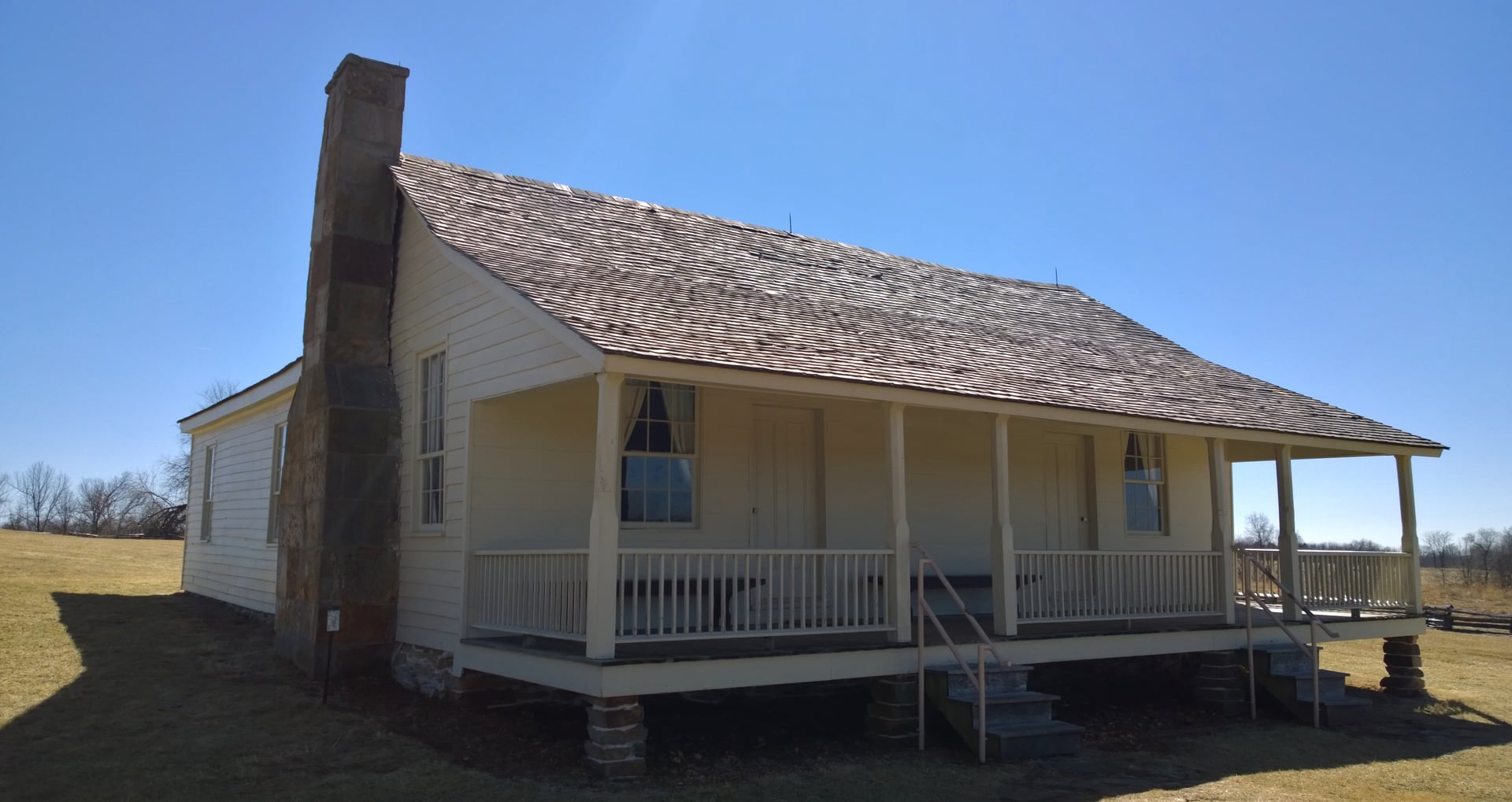
The combination of battlefield, burned civilian infrastructure, and the broader Civil War occupation of Jasper County gives the area a density of violent history that dark tourism visitors engage with on its own terms. The state park interpretation focuses on the military history rather than the paranormal, but the site appears on regional dark tourism itineraries as a companion to the Kendrick House several blocks away.
Notable Entities
Colonel Franz Sigel (Union commander, 1861)