Est. 1880 · Nevada Historic Preservation · Church Architecture · Community Arts Heritage
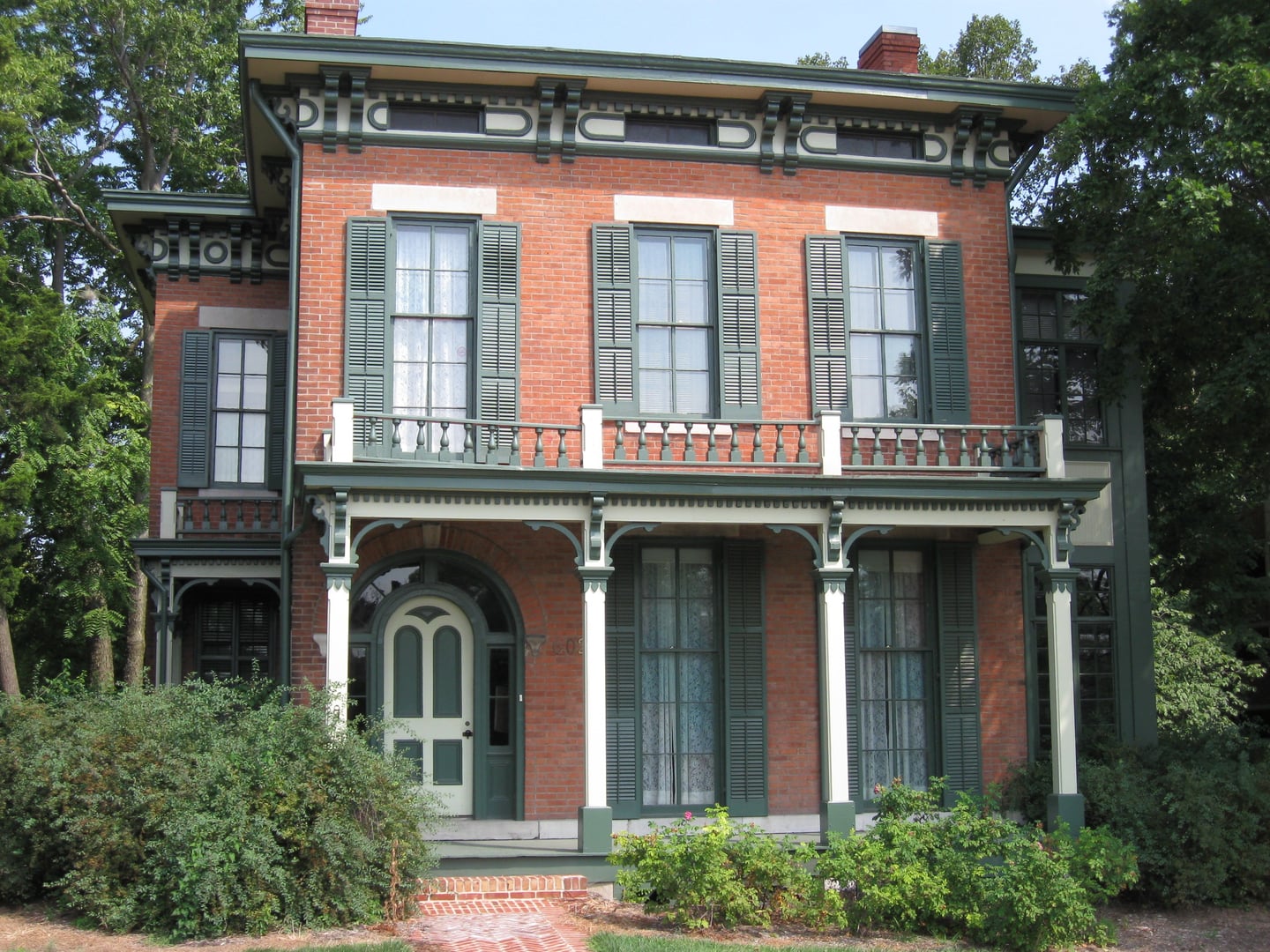
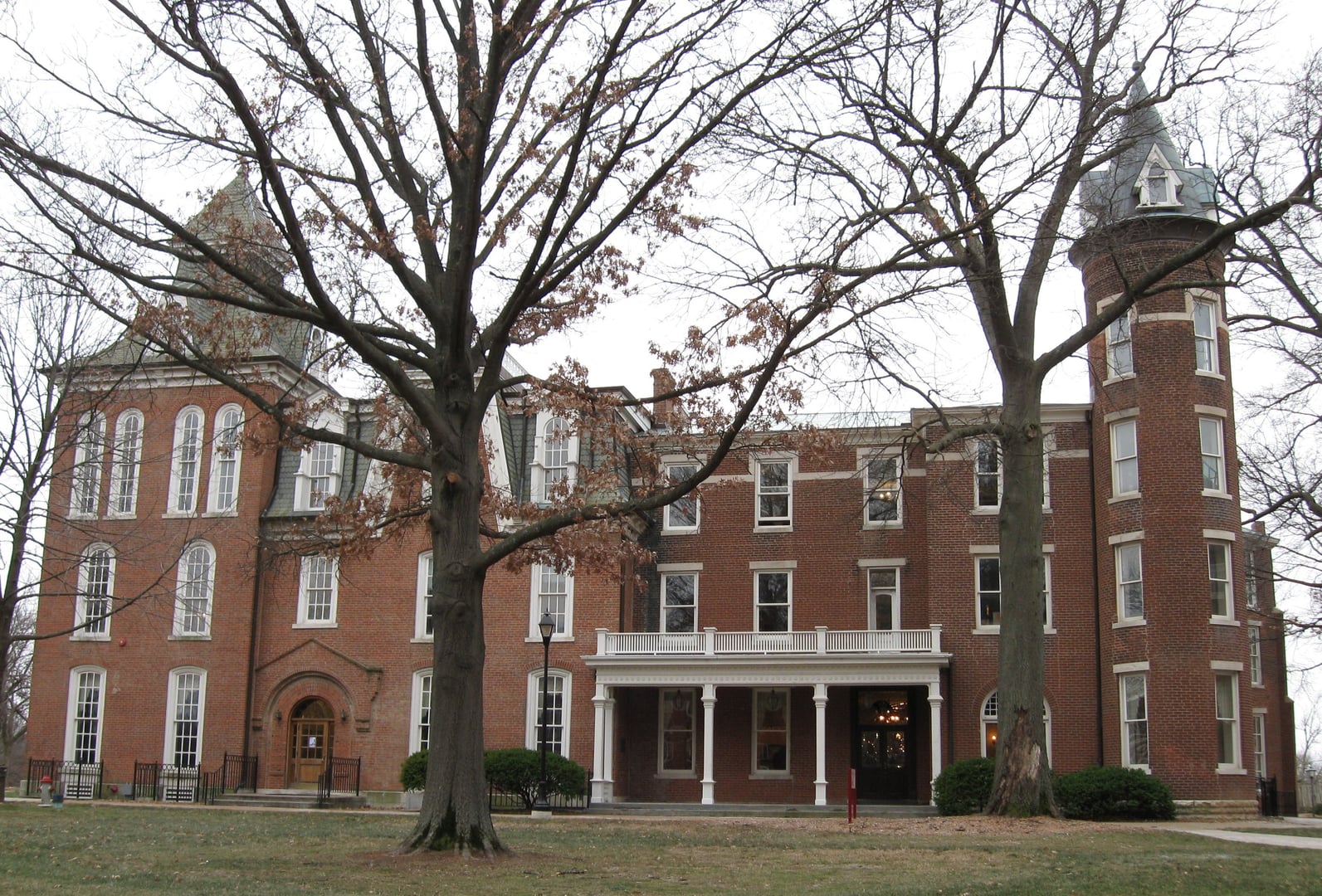
The 1st Baptist Church on Walnut Street represents significant architectural heritage in Nevada, Missouri. The structure is among the city's oldest buildings, constructed during Nevada's formative period as a settlement.
The building functioned as an active church for an extended historical period, serving the Nevada religious community. The church maintained its primary religious function for generations before eventually becoming available for alternative use.
In 1998, the Community Council on Performing Arts (CCPA) sought a temporary venue for theatrical operations. The availability of the former church building provided an opportunity to establish what became known as the Red Brick Playhouse. The community arts organization utilized the sacred space for staging theatrical productions, converting the sanctuary and ancillary spaces into performance areas.
The repurposing of a former church building for theatrical use represents a creative adaptive reuse strategy, though it created cultural tension—particularly from religious community members and others opposed to theatrical performance in consecrated space.
The church building's current status and ongoing use is not detailed in available sources accessed during this research.
Lights flickeringDoors opening/closingPhantom footstepsEquipment malfunction
The paranormal reputation of the 1st Baptist Church on Walnut Street centers on reports of a former church janitor whose spirit allegedly remains to protest the building's conversion to theatrical use.
Electrical phenomena are reported in bathroom facilities during performances. Lights flicker and extinguish without mechanical explanation. Faucets activate autonomously, dispensing water without human touch. The phenomena reportedly occur specifically during theatrical productions, suggesting the entity reacts to the theatrical activity.
Stage phenomena create dramatic disruption during performances. Doors on the theatrical stage inexplicably swing wide open, then slam shut with such force that the sound carries throughout the building. The timing of these phenomena is reported as occurring during active performances, suggesting either intelligent entity interaction with the theatrical environment or powerful folkloric narrative of theatrical disruption.
Auditory phenomena include footsteps tramping across the stage—described as heavy, distinct footsteps moving across the performance area. The footsteps are reported as occurring when no actors are present in that location, creating the impression of an unseen visitor moving through the stage space.
The folkloric interpretation attributes these phenomena to the spirit of a former janitor who maintained the church building during its religious use. The janitor's reported displeasure with the theatrical conversion suggests either personal religious objection or protective attachment to the sacred space. The phenomena are interpreted as the janitor actively disrupting theatrical performances in protest of the building's repurposing.
No specific historical documentation regarding a particular janitor's death or identity exists in available sources. The paranormal narrative reflects general cultural tension between religious and theatrical communities regarding sacred space utilization.
Notable Entities
The Disgruntled Janitor