Est. 1928 · National Register of Historic Places · Doheny Family Estate · Filming Location · Tudor Revival Architecture
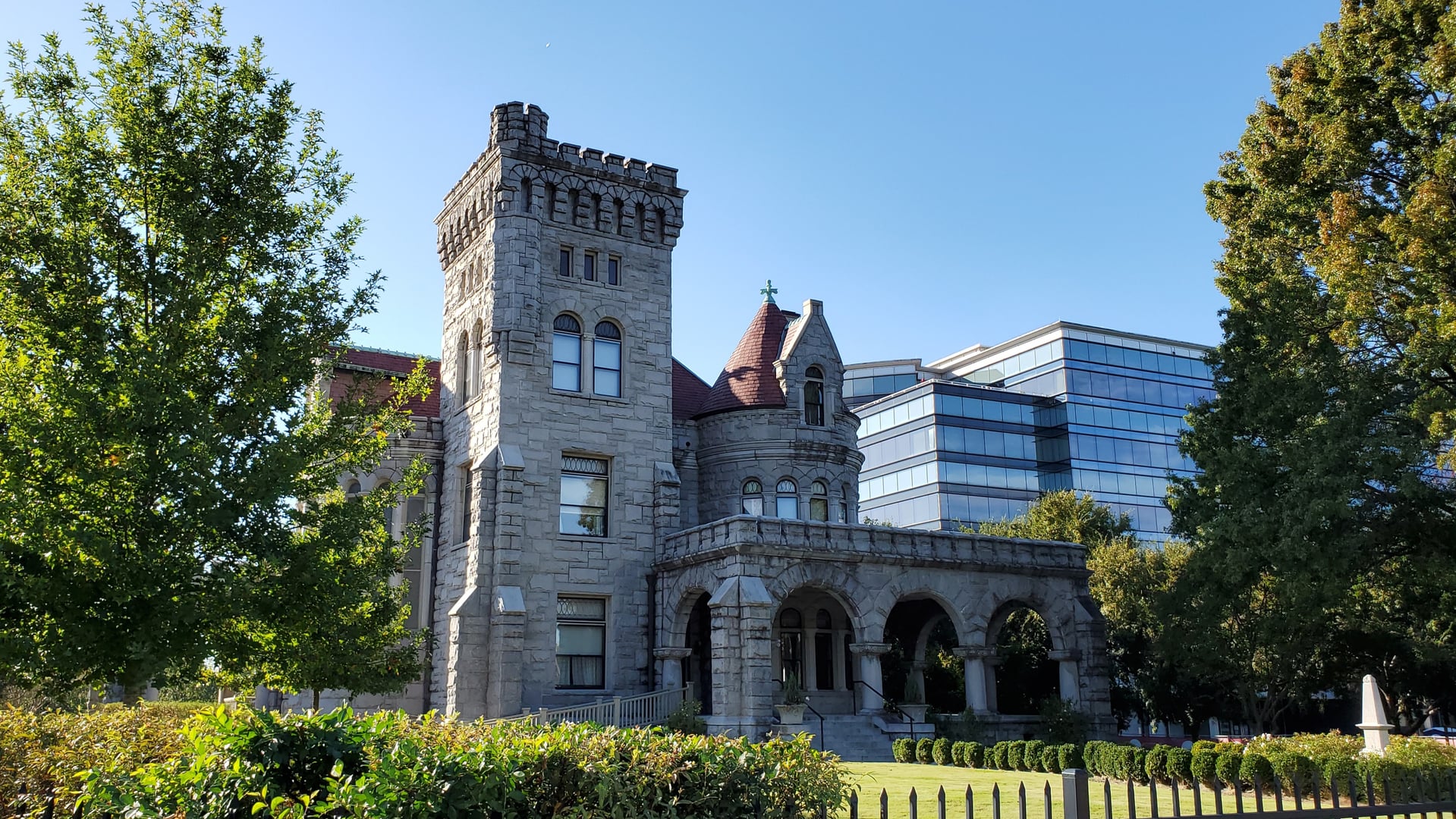
Greystone Mansion sits on 16 acres of Beverly Hills hillside at 905 Loma Vista Drive. The 46,000-square-foot Tudor Revival residence was designed by architect Gordon Kaufmann and completed in 1928 as a gift from Los Angeles oil tycoon Edward L. Doheny to his son, Edward 'Ned' Doheny Jr. The 55-room house was built of steel-reinforced concrete faced in Indiana limestone and roofed in Welsh slate. At completion it cost more than $3.1 million and was the most expensive home in California.
Ned Doheny, his wife Lucy, and their five children moved in during October 1928. Four months later, on February 16, 1929, Ned Doheny was found shot dead in a guest bedroom alongside his close friend and personal secretary Theodore Hugh Plunkett. Investigators concluded the deaths were a murder-suicide, although which man fired the fatal shots has been debated by historians ever since. The Doheny family had been entangled in the federal Teapot Dome bribery scandal, and the timing of the deaths, coming days before Plunkett was scheduled to testify, has fueled speculation for nearly a century.
Lucy Doheny remained in the mansion until 1955, when she sold the estate to developer Paul Trousdale, who subdivided the surrounding land into Trousdale Estates. The mansion itself was sold to Chicago industrialist Henry Crown, who rented it to film studios. The City of Beverly Hills purchased the property in 1965, halting plans for demolition, and opened it as Greystone Park on September 16, 1971. The estate was added to the National Register of Historic Places on April 23, 1976.
Greystone today functions as a public park and as one of Hollywood's most heavily filmed mansions. The exterior, courtyard staircase, and interior rooms have appeared in The Big Lebowski, There Will Be Blood, Spider-Man, The Witches of Eastwick, and dozens of other features and television series. The City of Beverly Hills offers free public access to the gardens daily and ticketed self-guided interior tours one weekend each month, January through November.
Sources
- https://en.wikipedia.org/wiki/Greystone_Mansion
- https://greystonemansion.org/history/
- https://www.beverlyhills.org/394/Greystone-Mansion-Gardens
- https://beverlyhills.org/441/Visit-Greystone
Phantom soundsDisembodied screamingCold spotsResidual haunting
The 1929 deaths of Ned Doheny and Hugh Plunkett are central to every paranormal account associated with Greystone. Both men died of gunshot wounds in a guest bedroom on the night of February 16, 1929, and the official ruling of murder-suicide has been disputed by writers and historians since the day it was issued. Whoever fired the gun, the act left a residue of unanswered questions that the property has never fully shed.
The original Shadowlands entry refers specifically to night-shift groundskeepers who reportedly would not stay employed because of sounds and screams inside the house, and to sections of the mansion that have been gated and padlocked. The City of Beverly Hills, which manages Greystone today, does not market the property as a paranormal destination and does not corroborate these accounts. Any contemporary visitor experience is daytime-oriented and architectural rather than investigative.
That said, the building's atmosphere is genuinely cinematic, which is why directors return to it. The bowling alley, the tiled kitchens, the wood-paneled library, and the long limestone corridors carry the weight of the Doheny scandal regardless of whether the activity reported by older internet sources is taken at face value. Visitors who want the legend can pair their tour with the documented record of February 1929; visitors who want only the architecture can have that, too.
Notable Entities
Edward 'Ned' Doheny Jr.Theodore Hugh Plunkett