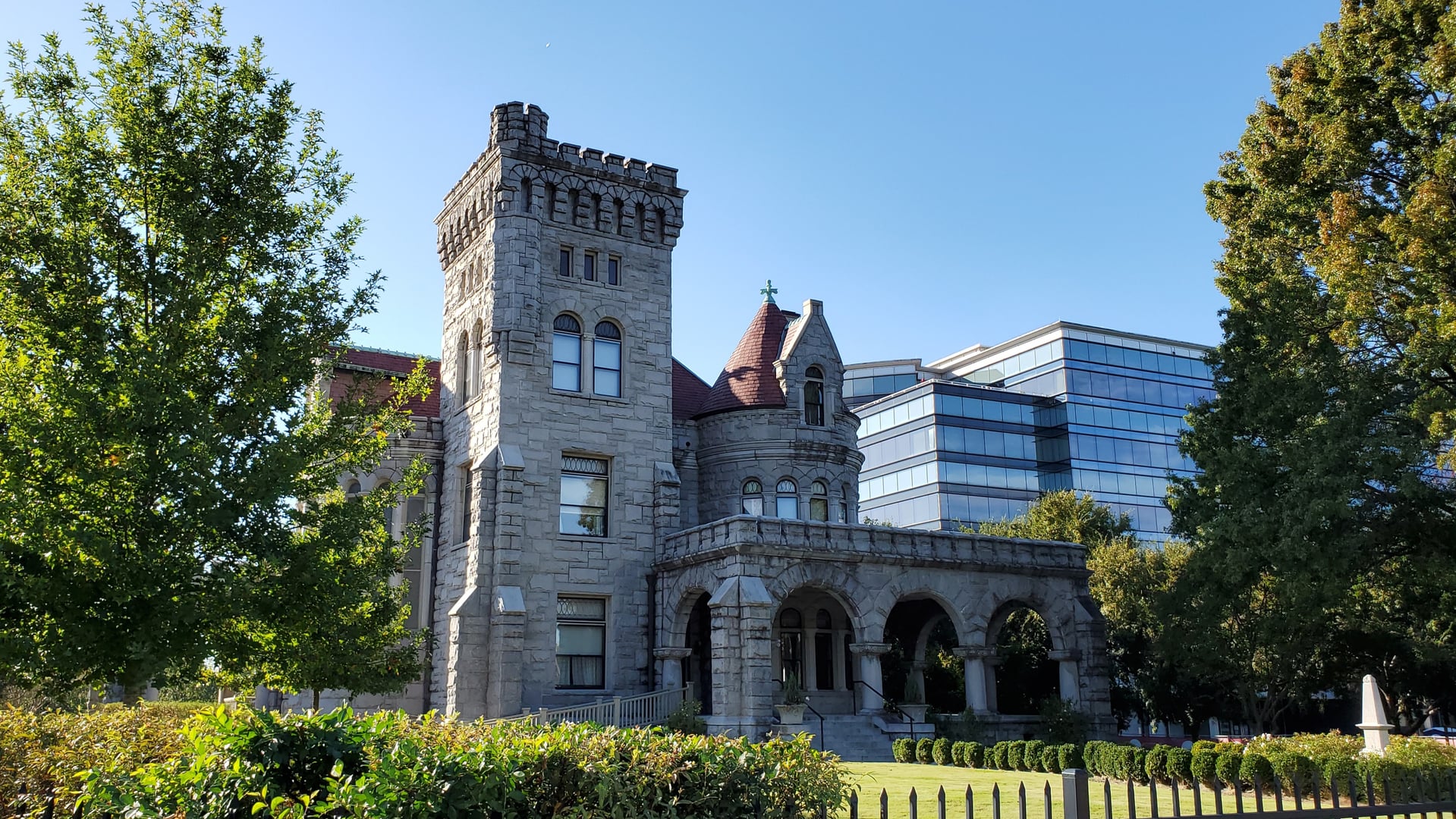
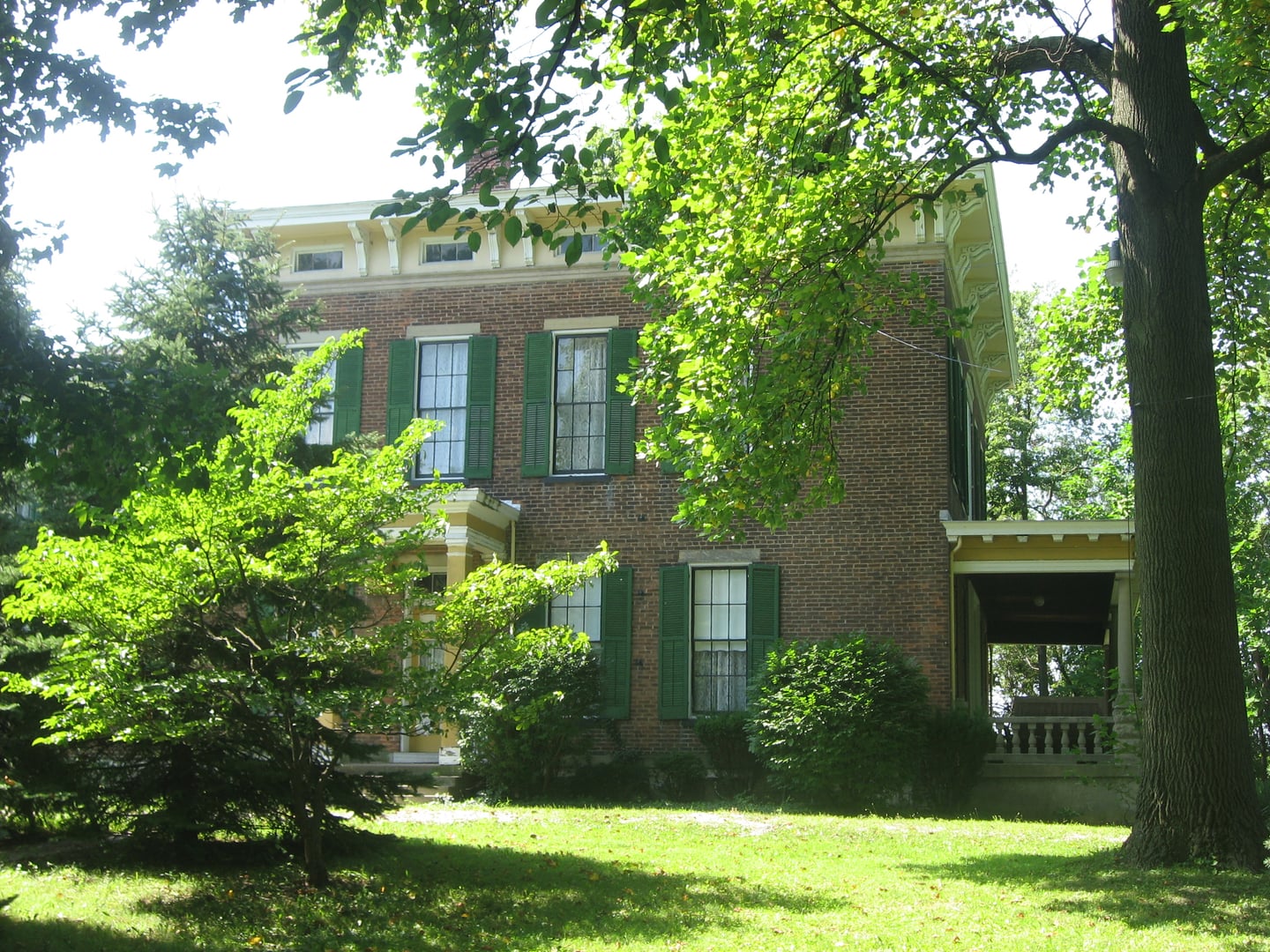
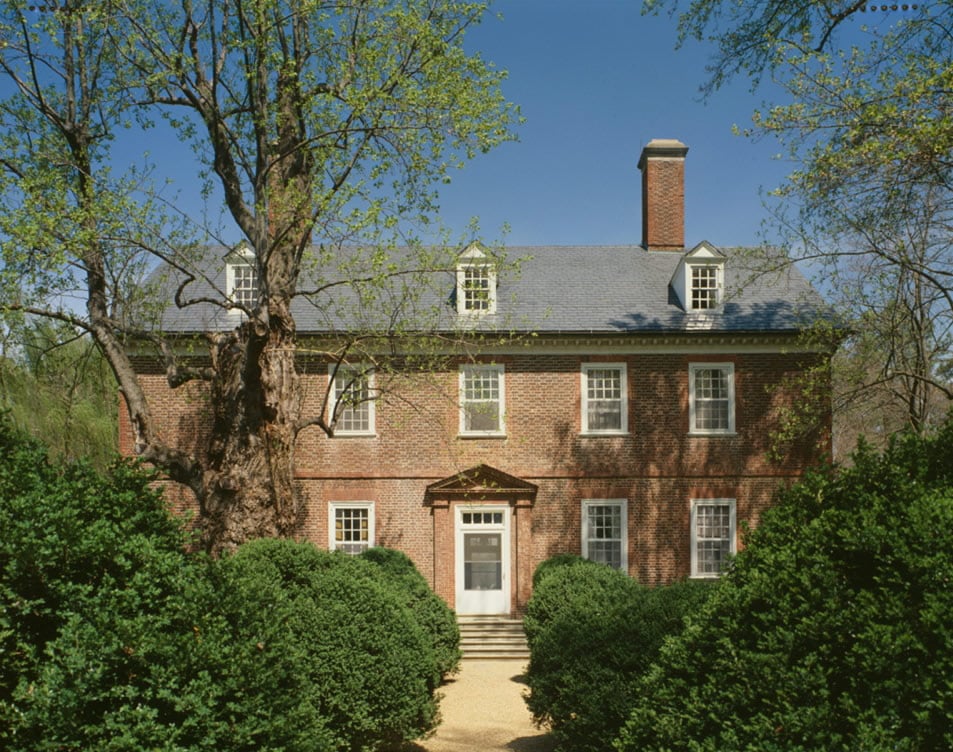
Est. 1855 · Built 1855 by James Turner, Lansing founding figure · Georgian Revival — among the city's earliest substantial domestic structures · Associated with Turner and Dodge founding families · Now operated by City of Lansing as public heritage museum · Listed on local historic preservation registers
The Turner-Dodge House was constructed in 1855 for James Turner, one of the earliest prominent settlers in Lansing following its designation as Michigan's state capital in 1847. Turner was among the founding civic infrastructure of the young city — a land speculator and businessman who arrived when Lansing was still largely undeveloped forest. The Georgian Revival mansion he built on North Street represented a claim of permanence and status in a city still finding its form.
The house passed to the Dodge family through marriage, and the combined Turner-Dodge name reflects the two generations of founding-era families who occupied the property through the nineteenth and early twentieth centuries. By the time the City of Lansing acquired the property, the house retained much of its period character — the formal parlors, the central staircase, and the upper-floor rooms that now generate the building's paranormal reputation.
The City of Lansing Parks and Recreation Department manages the property as the Turner-Dodge House and Heritage Center. It operates as a house museum, open for guided tours that cover the architectural history and the social world of Lansing's founding families. In October the site expands its programming to focus on the haunted-history dimension that has accumulated around the building through staff and visitor reports.
The house sits within a residential neighborhood on the near north side of Lansing, not far from the Governor's Residence. Its position on East North Street, within walking distance of the Capitol complex, situates it in the zone of nineteenth-century institutional Lansing that has been largely preserved in the city's historic district.
Sources
- https://www.lansingmi.gov/234/Turner-Dodge-House-Heritage-Center
- https://99wfmk.com/turner-dodge-mansion-lansing-mi-revisited/
- https://www.wilx.com/2021/10/22/explore-spooky-history-turner-dodge-house/
Bearded male apparition pacing interior hallwaysFigure standing in upper-floor windows after hoursPhotographically documented figure on groundsUnexplained footsteps on upper floorsSensation of being watched from staircase
The central paranormal account associated with the Turner-Dodge House is the bearded apparition — a male figure in period clothing described as pacing through the interior hallways and standing in upper-floor windows visible from the street. The consistency of this description across independent accounts from staff, volunteers, and visitors is notable: a full male figure, bearded, behaving as though unaware of observers.
A photographic incident documented by 99WFMK — a regional radio station that has covered Lansing-area paranormal sites extensively — showed an unexplained figure on the mansion grounds during an event. The photograph, taken during a gathering when the grounds were occupied by staff and guests, showed a figure in a position where no living person was standing at the time of the shot. The image circulated locally and is cited in accounts of the house's paranormal history.
City staff who work late at the Heritage Center have reported hearing footsteps on the upper floors when the building was closed to the public, and several accounts describe the sensation of being watched from the staircase landing. These reports have been consistent enough that the house was incorporated into the Lansing ghost tour circuit and features prominently in regional haunted-Michigan listings.
The identity of the apparition is commonly attributed to James Turner or a male member of the Turner-Dodge household, though no documented historical event — no death in the house, no tragedy attached to a specific individual — anchors the figure to a particular person. The apparition's persistence is treated by staff as a feature of the building rather than a problem to be explained.
Where this legend is told