Est. 1848 · 19th-Century Star Fort · Civil War Union Mustering Point · World War I and II Induction Center
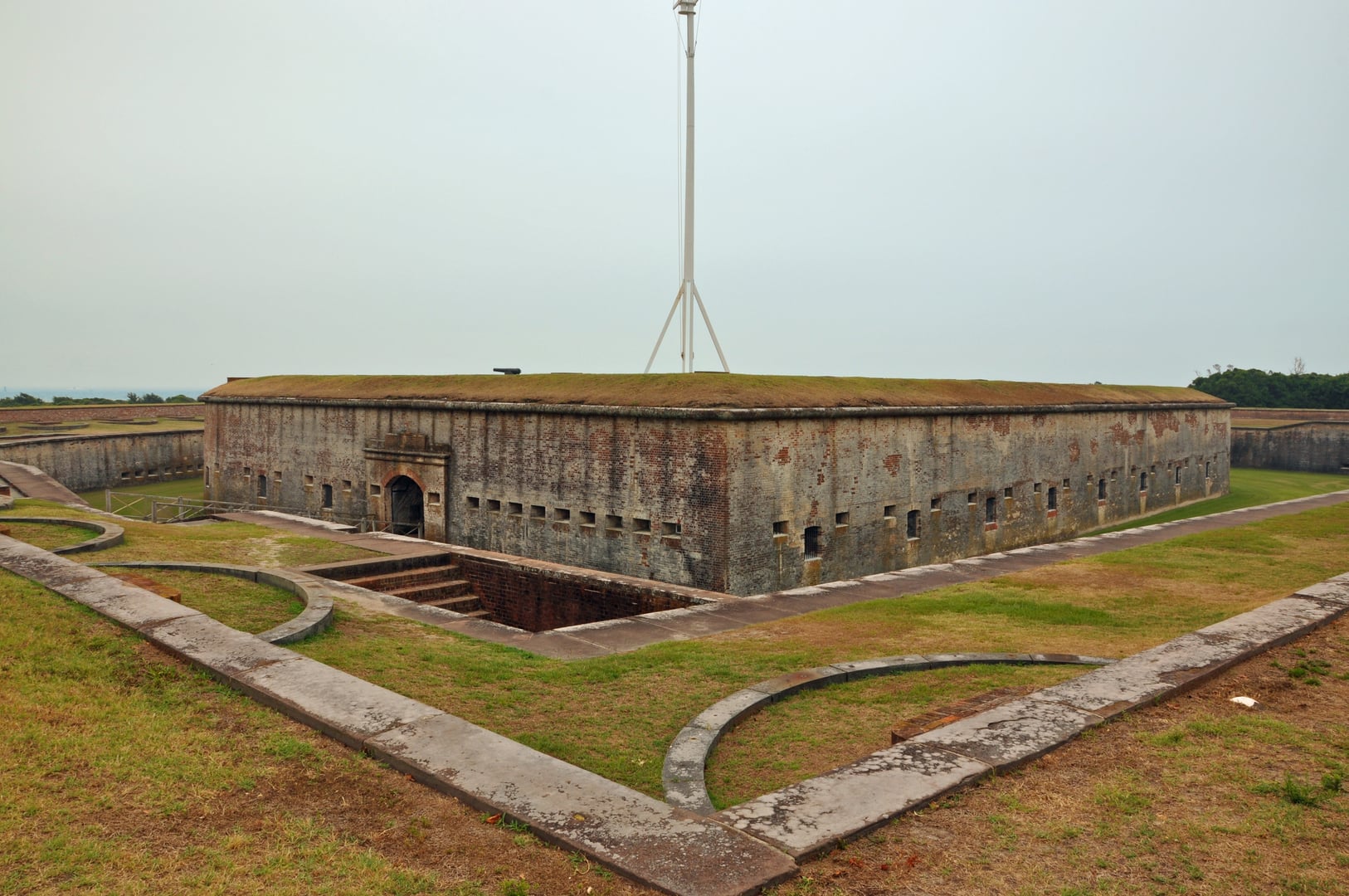
Historic Fort Wayne occupies 22 acres on the south bank of the Detroit River, three miles southwest of downtown Detroit, at the river's narrowest point opposite Canada. The U.S. Army began surveying local farms for the post in 1840, and construction ran from 1842 through about 1851. The original five-point earthen star fort was completed in 1848, with a limestone-revetted renovation in 1861. The post was named for Revolutionary War general Anthony Wayne, who had taken possession of Detroit from the British in 1796.
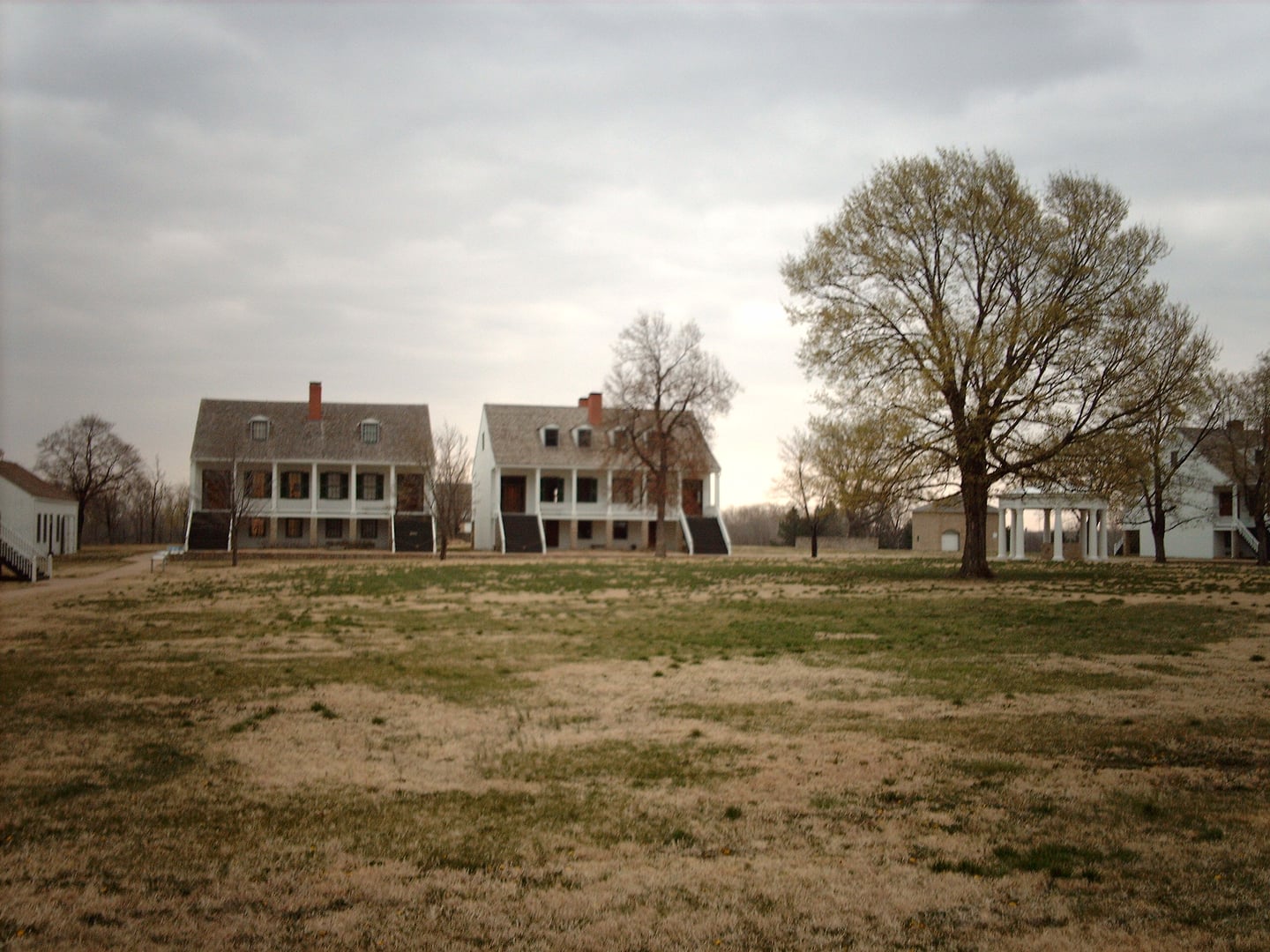
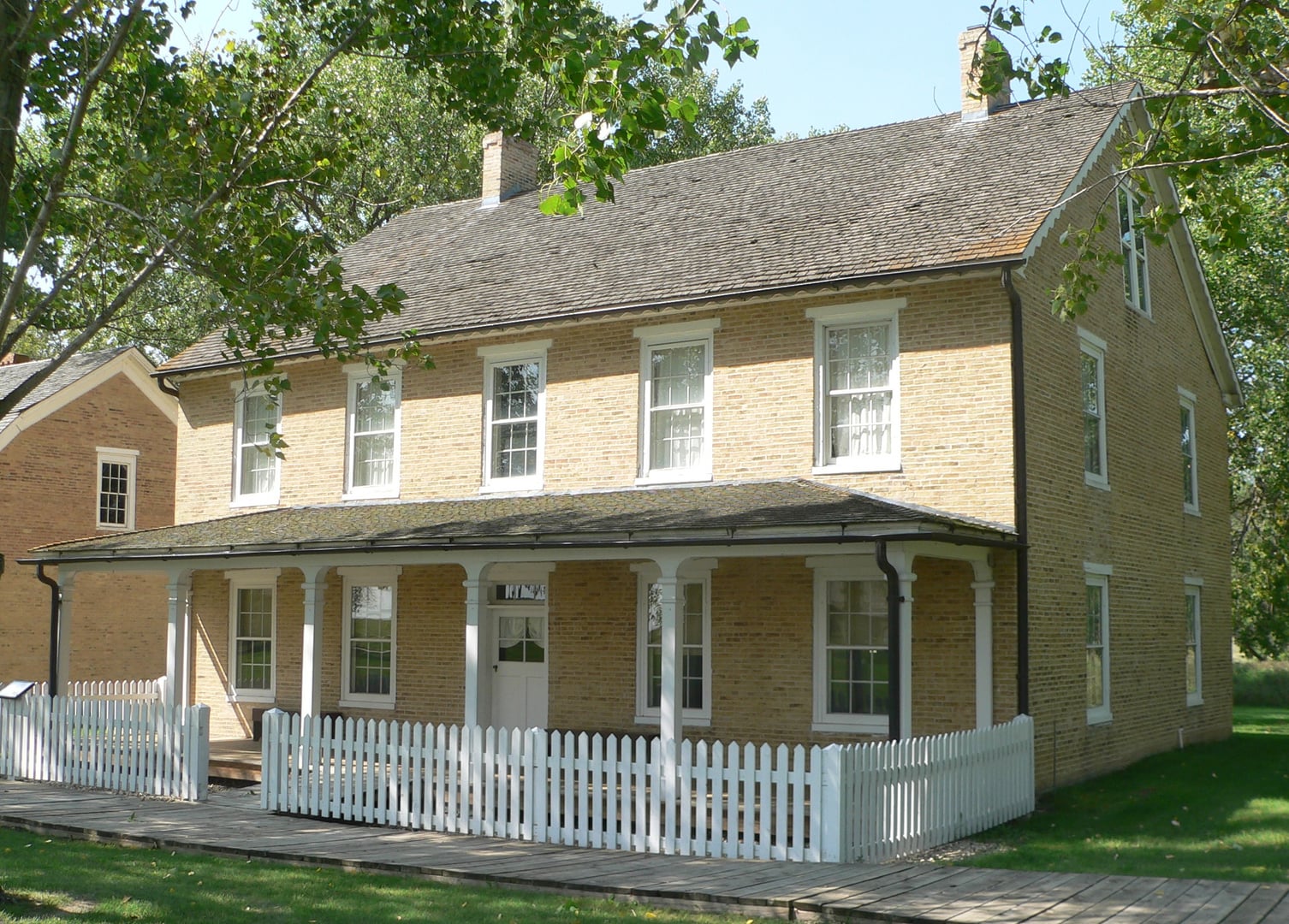
The original installation included the star fort, a parade ground, officers' quarters, an 1848 limestone barracks, hospital, commissary, guard house, garage, and stables. The barracks survives and is one of the oldest military buildings in Michigan.
Fort Wayne never saw combat — the U.S. and Britain resolved their Great Lakes border disputes diplomatically before the fort received its cannon — but it played a continuous logistical role across multiple conflicts. During the Civil War it served as a Union mustering and induction point for Michigan regiments. In World Wars I and II it functioned as an induction center for Michigan recruits, and during WWII it housed motor-pool operations supplying Detroit's war-production effort.
The Army turned the fort over to the City of Detroit in 1949, and after a long stretch of partial use and neglect, the Historic Fort Wayne Coalition assumed primary stewardship. Grounds are open daily 6 AM - 8PM during the 2026 season. The Coalition runs $10 Saturday guided walking tours at 1 PM by online reservation, and hosts the popular Tours After Dark paranormal-storytelling event in summer and fall ($30/person, 6:30 PM-11:30 PM, ages 10+).
Sources
- https://en.wikipedia.org/wiki/Fort_Wayne_(Detroit)
- https://www.historicfortwaynecoalition.com/historical_insights.html
- https://www.historicfortwaynecoalition.com/weekend_tours.html
- https://www.historicfortwaynecoalition.com/tours_after_dark.html
- https://detroithistorical.org/learn/encyclopedia-of-detroit/fort-wayne
- https://www.clickondetroit.com/news/historic-fort-wayne-coalitions-tours-after-dark-returns-for-summer-fall
- https://ghosthaunts.com/2023/10/30/haunted-historic-fort-wayne/
- https://sites.google.com/view/ghostfilesfromthemitten/detroits-historic-fort-wayne
- https://www.cbsnews.com/detroit/news/tales-of-the-supernatural-in-detroit/
ApparitionsPhantom footstepsDoors opening/closingPhantom voices
Volunteer staff and visitors most often report activity in the original 1845 barracks, where the wooden staircase between floors is associated with phantom footsteps and full-body sightings of figures in period military dress. The catwalks along the star-fort earthworks are another reported area, with descriptions of footsteps approaching and passing through positioned observers.
The Commanding Officer's House and the powder magazine produce reports of doors opening and closing on their own, and several Coalition volunteers have described the sound of muffled conversation in empty interior rooms. None of the witnesses interviewed for the Coalition's annual Tours After Dark events were given orientation material that would have suggested specific locations or phenomena in advance.
The Coalition partners with paranormal investigators for the annual Tours After Dark event, which combines first-person historical storytelling with stops at documented hot spots. Groups walk between locations by lantern light; investigators present equipment readings to participants without overinterpretation.
The fort never hosted combat, and the absence of a battlefield-style death toll makes the consistent volume of reports unusual. Local interpreters frame the activity as residual — soldiers passing through during training, induction, and demobilization — rather than associated with named individuals.
Media Appearances
- Discover the D: Historic Fort Wayne/Whitney Ghost Bar/Autorama (S14E11) (2017)