West Michigan Folklore · Documented Urban Legend · Algoma Township History
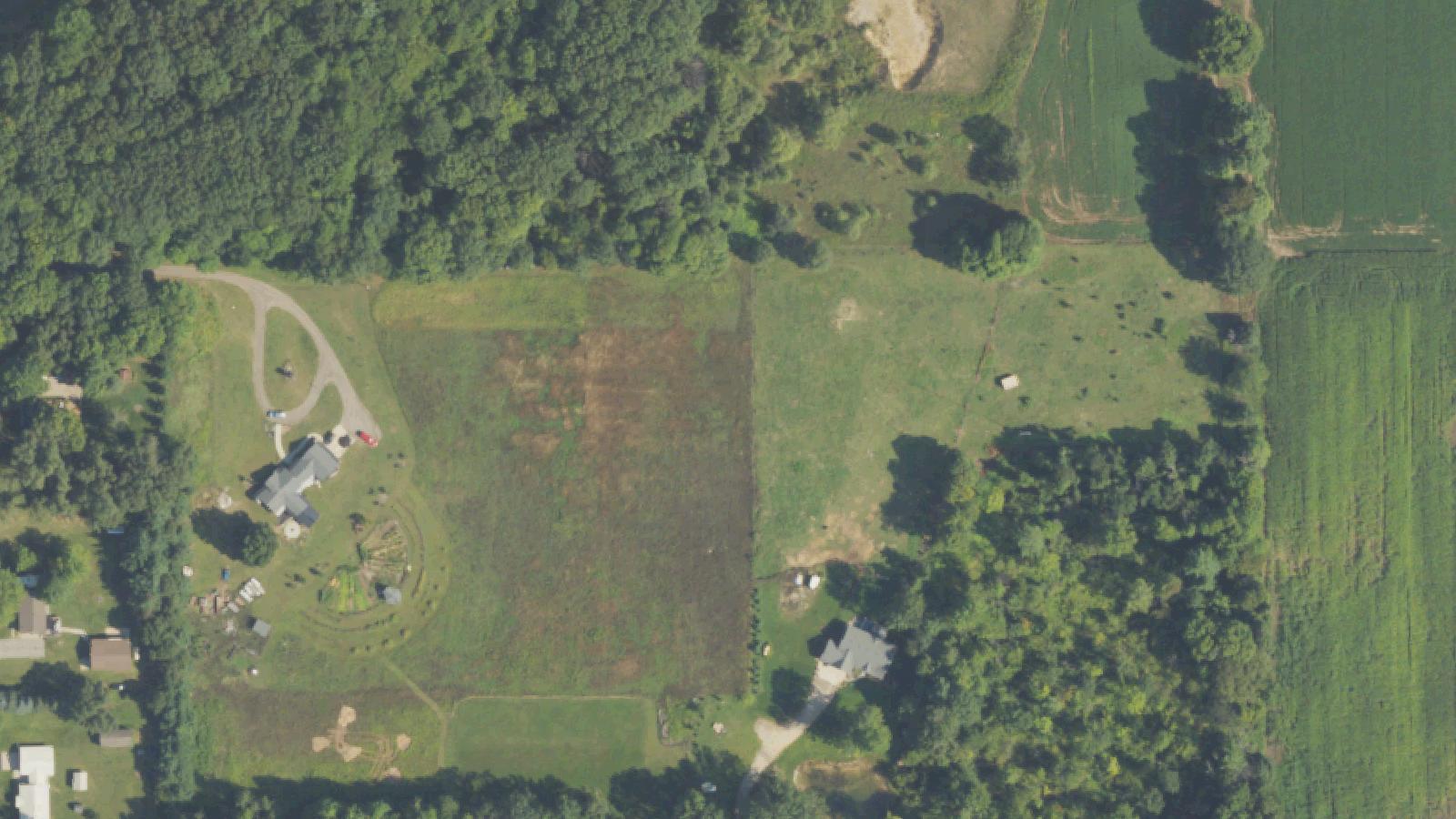
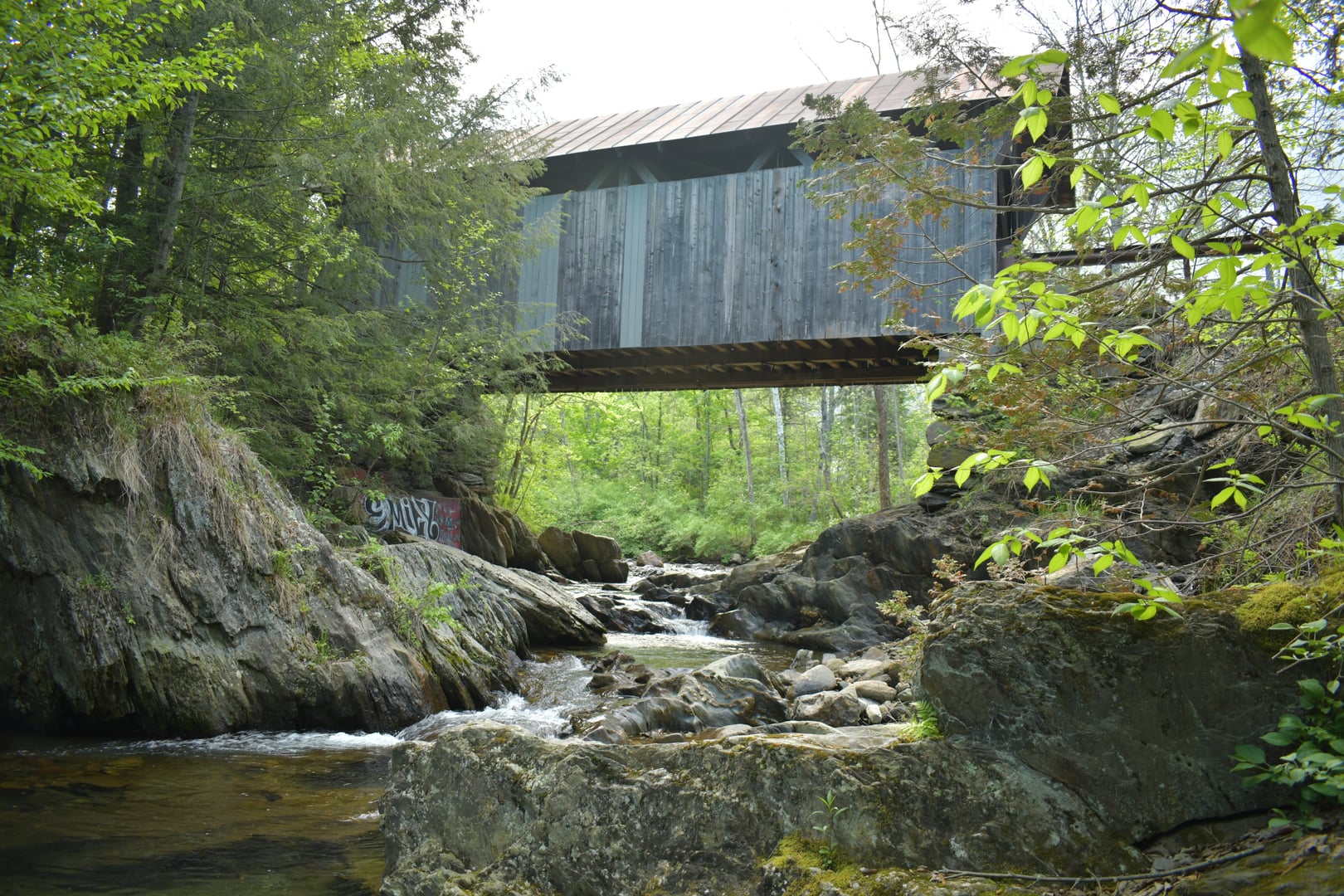
Hell's Bridge is a modest iron span over Cedar Creek, reached by a dirt road and a short footpath in the wooded country of Algoma Township, in Kent County, Michigan, a short distance northwest of Rockford. In the nineteenth century the wider area around present-day Rockford was known as Laphamville, and Algoma Township was sparsely settled farm and timber country.
The creek the bridge crosses is Cedar Creek, though the popular legend frequently misidentifies it as the Rogue River, into which Cedar Creek eventually drains. A nearby road carries the Friske name, which appears to have been borrowed into the legend's central character.
Despite the lurid story attached to it, no historical record supports any mass killing at the site. Researchers Nicole Bray and Robert DuShane investigated the tale for their book 'Ghosts of Grand Rapids' and found that no person named Elias Friske appears in local records, and that the Friske family does not appear in the Algoma area until the 1910 census, long after the legend's purported nineteenth-century events. Local historians and Michigan media outlets have repeatedly characterized the murder story as a modern fabrication with no basis in documented history.
The bridge endures today as a destination for thrill-seekers, tubers floating Cedar Creek, and folklore enthusiasts. It remains one of the most frequently cited 'haunted' sites in West Michigan, its fame driven entirely by oral tradition and regional ghost-story collections rather than by any verified historical tragedy.
Sources
- https://mysteriousmichigan.com/hells-bridge
- https://99wfmk.com/hellsbridge2018/
- https://lostinmichigan.net/michigans-urban-legend-of-hells-bridge/
Phantom children's criesDemonic laughterPhantom footstepsSensation of being grabbed in the waterStrange figure near the bridge
The legend of Hell's Bridge is among the best known in Michigan. As the story is told, in the 1800s a man named Elias Friske lured or marched a group of children into the woods, murdered them one by one, and threw their bodies into the water near where the bridge now stands, later claiming a demon had compelled him. According to the tradition, anyone standing or sitting on the bridge at midnight can hear the devil laughing, and at other times the laughter and crying of children, the splash of bodies in the water, and phantom footsteps near the span. Tubers floating Cedar Creek sometimes report the sensation of unseen hands grabbing at their feet, and early-morning fishermen have described a strange figure near the bridge.
Importantly, the murder at the heart of the story is not supported by any historical evidence. As documented by researchers Nicole Bray and Robert DuShane in 'Ghosts of Grand Rapids,' there is no record of an Elias Friske, and the Friske family does not appear locally until the 1910 census. Multiple Michigan media outlets, including 99.1 WFMK and Lost in Michigan, report that the tale appears to have originated with a now-disbanded group of paranormal enthusiasts and has no documented basis.
What remains real is the legend itself and the powerful atmosphere of the place. Hell's Bridge functions as a genuine piece of regional folklore, drawing visitors who come for the story and the reputedly eerie feel of the remote, wooded creek crossing, even as the underlying 'history' is best understood as a modern ghost story rather than a record of fact.
Notable Entities
The legendary figure 'Elias Friske' (not a documented historical person)Phantom children
Media Appearances
- 99.1 WFMK - The Haunting of Hell's Bridge in Rockford
- Lost In Michigan - Michigan's Urban Legend of Hell's Bridge
- Ghosts of Grand Rapids (Bray & DuShane)