Est. 1842 · Relocation site for Flint's original 1842 city cemetery · Approximately 275 of 1,200 original burials estimated left in the ground · 1985: 25+ additional remains found during hotel construction on original cemetery land at 1150 Longway Blvd · Functioning burial ground with mid-19th century grave markers · Recognized Flint dark tourism site for displaced burial history
Flint's original city cemetery was established in 1842, shortly after the city's founding, on land that was subsequently identified for commercial redevelopment. The decision to relocate the cemetery prompted a transfer of remains to Avondale Cemetery on Auburn Avenue, which became the designated receiving ground for the reinterments.
By contemporary accounts, approximately 925 of an estimated 1,200 burials were transferred during the relocation process. The work was conducted in an era when record-keeping was inconsistent and the techniques for identifying and moving historical graves were rudimentary. The transfer was declared complete, and the original cemetery land was cleared for development over subsequent decades.
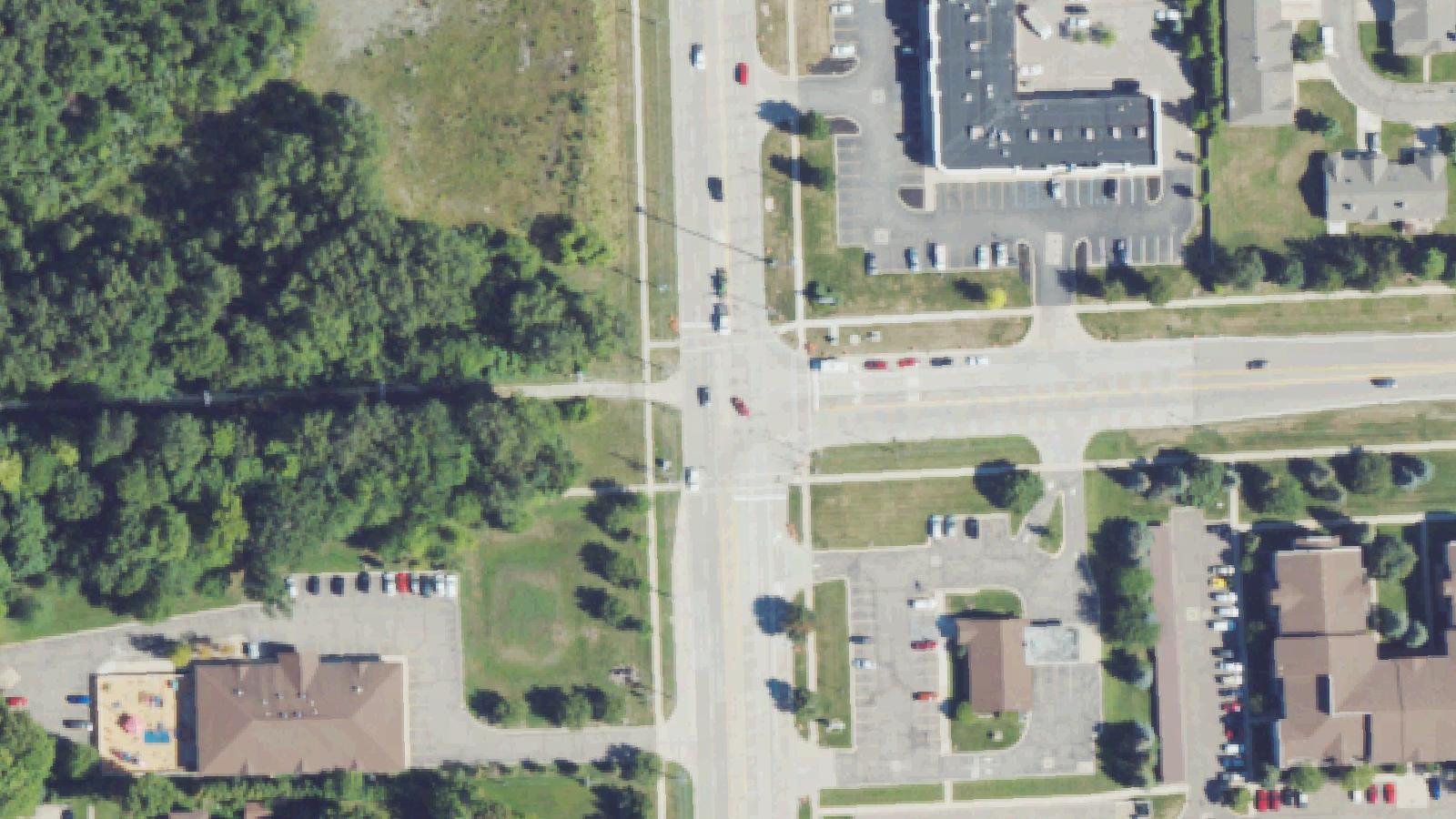
In 1985, construction crews breaking ground for a hotel at 1150 Longway Boulevard — directly on the site of the original 1842 city cemetery — uncovered more than 25 sets of human remains. The discovery confirmed what the arithmetic of the original relocation had suggested: that a meaningful fraction of the 1,200 original burials had been left in the ground. The hotel project was halted, the remains were examined, and they were eventually reinterred.
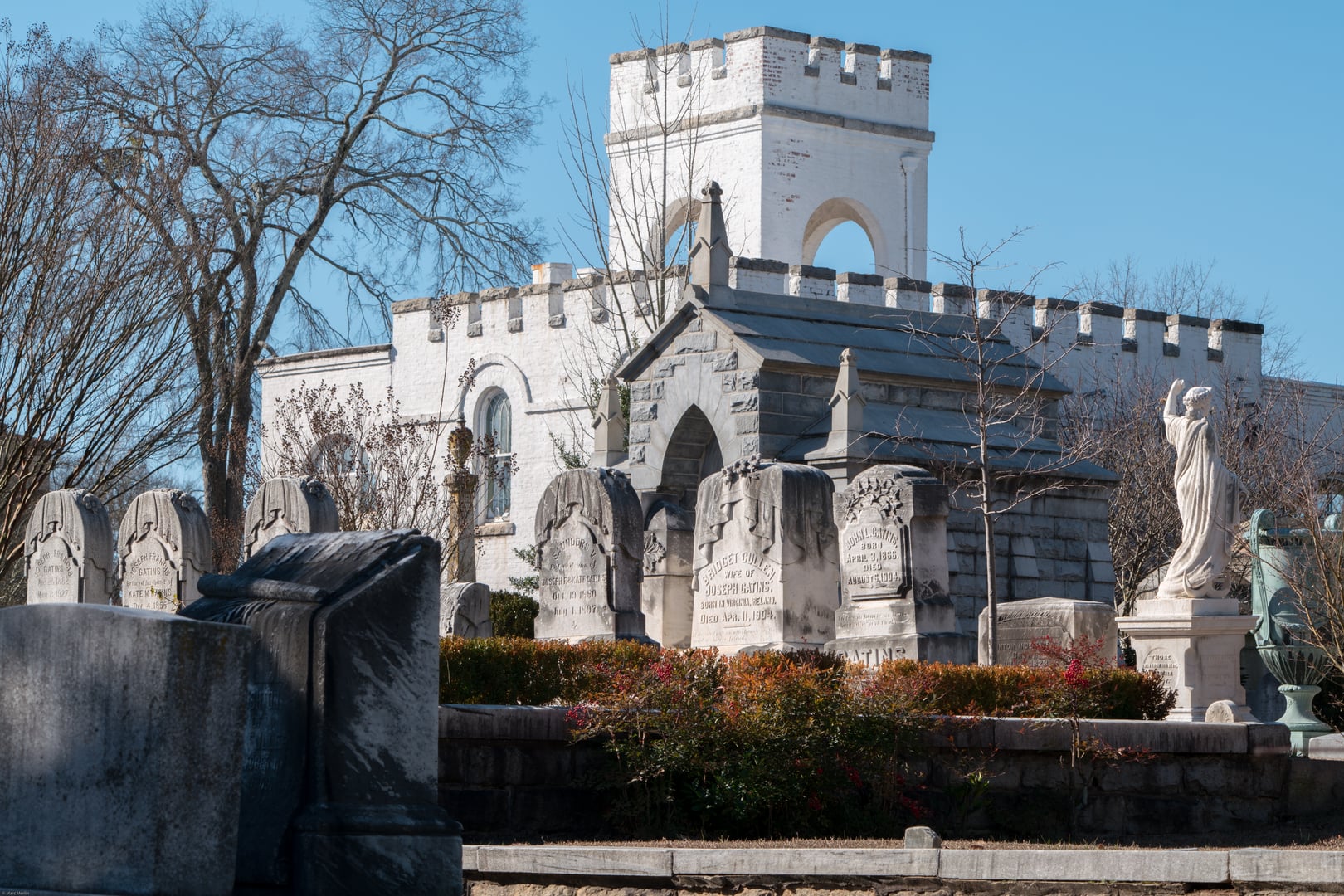
Avondale Cemetery continues to operate as a functioning burial ground. The older sections contain grave markers from the mid-nineteenth century, including some from the period of the original city cemetery, though the degree to which those markers correspond to the relocated remains versus in-situ burials is not fully documented. The cemetery's role as the imperfect repository for Flint's displaced burial history gives it a status in the city's dark-tourism landscape that goes beyond a typical historic cemetery.
Sources
- https://99wfmk.com/haunted-avondale-cemetery/
- https://www.exploreflintandgenesee.org/plan/trip-ideas/explore-flint-genesees-haunted-past/
- https://www.flintandgenesee.org/discover-the-ghosts-at-avondale-cemetery/
Orb photography in older grave sectionsApparition sightings near 19th-century markersPeripheral movement between grave markersCold spots in older sections
The paranormal reputation of Avondale Cemetery rests on a documented historical grievance rather than legend: the confirmed presence of unrelocated remains from Flint's 1842 city cemetery. When construction workers found more than 25 sets of human remains in 1985 under the hotel site at 1150 Longway Boulevard, the discovery validated the community's long-standing sense that the relocation had been incomplete. The remains that stayed in the ground are the anchor for the claims that circulate around the cemetery.
The paranormal reports from Avondale itself concentrate in the older sections of the burial ground — the mid-nineteenth century grave areas where the originally relocated remains are most likely to be found. Orb photography, which paranormal investigators treat as potential evidence of spiritual presence, is the most commonly documented phenomenon. Multiple accounts from visitors to these sections describe unusual circular light anomalies in photographs taken after dusk, particularly in the vicinity of the oldest markers.
Apparition sightings are less frequent but recur across independent accounts. The figures described tend to be indistinct — movement at the periphery of vision, forms between the older grave markers — rather than the detailed, clothed figures reported at some other Michigan haunted sites. The Flint and Genesee County tourism authority and the regional economic development organization both cover Avondale's haunted history, treating it as a legitimate dark-tourism destination grounded in documented historical events.
Where this legend is told