Est. 1811 · Penitentiary for the State of Maine, 1820-1824 · Held prisoners until 1953 · Original prisoner graffiti preserved in the cells · Lincoln County Historical Association museum
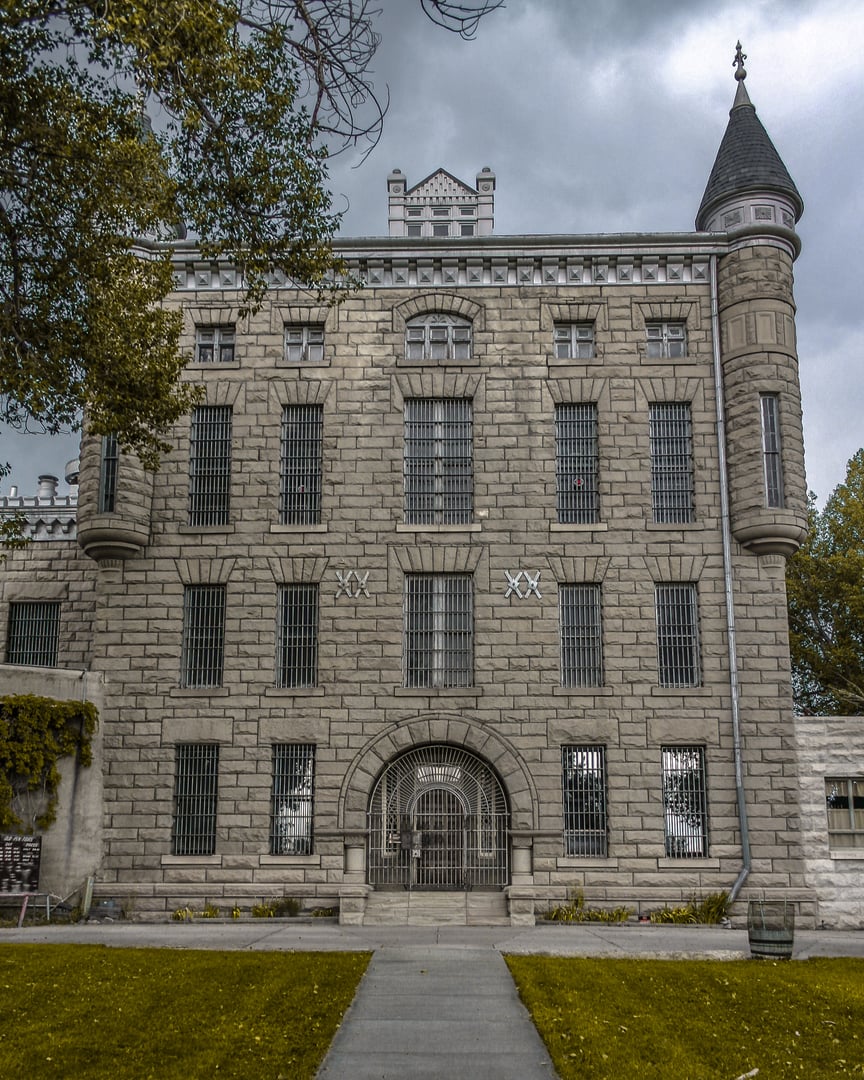
The Old Lincoln County Jail was completed in 1811 in Wiscasset, built three stories tall of granite with walls reported at well over two feet thick. It contained a dozen holding cells, including a windowless solitary cell, and at times held far more people than that count suggests.
From 1820 to 1824 the building served as the penitentiary for the newly admitted State of Maine. Afterward it returned to county use. Lincoln County housed prisoners here for decades, and the jail continued to hold people on court days until 1953, making it one of the longest-serving jails of its kind in New England.
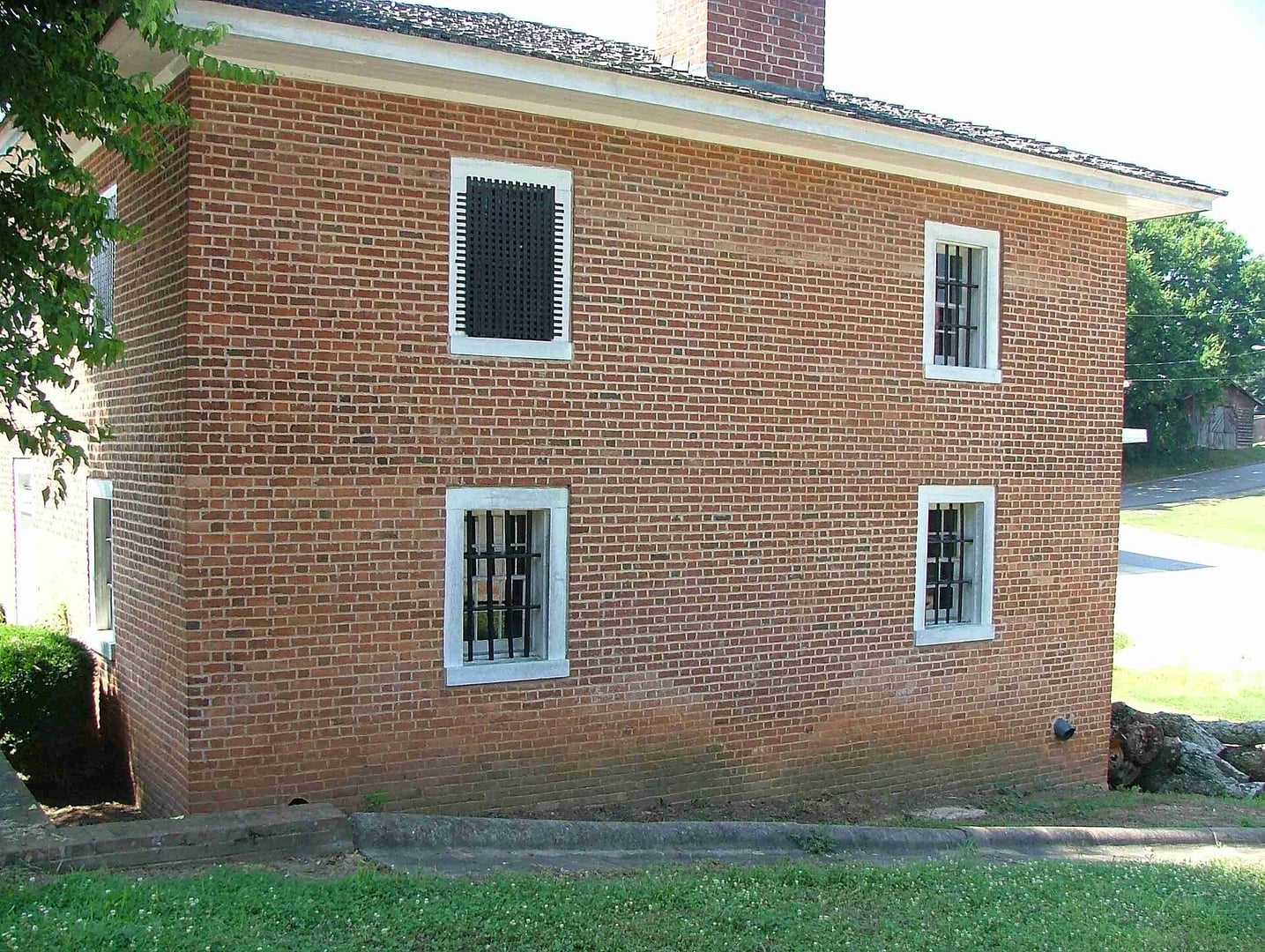
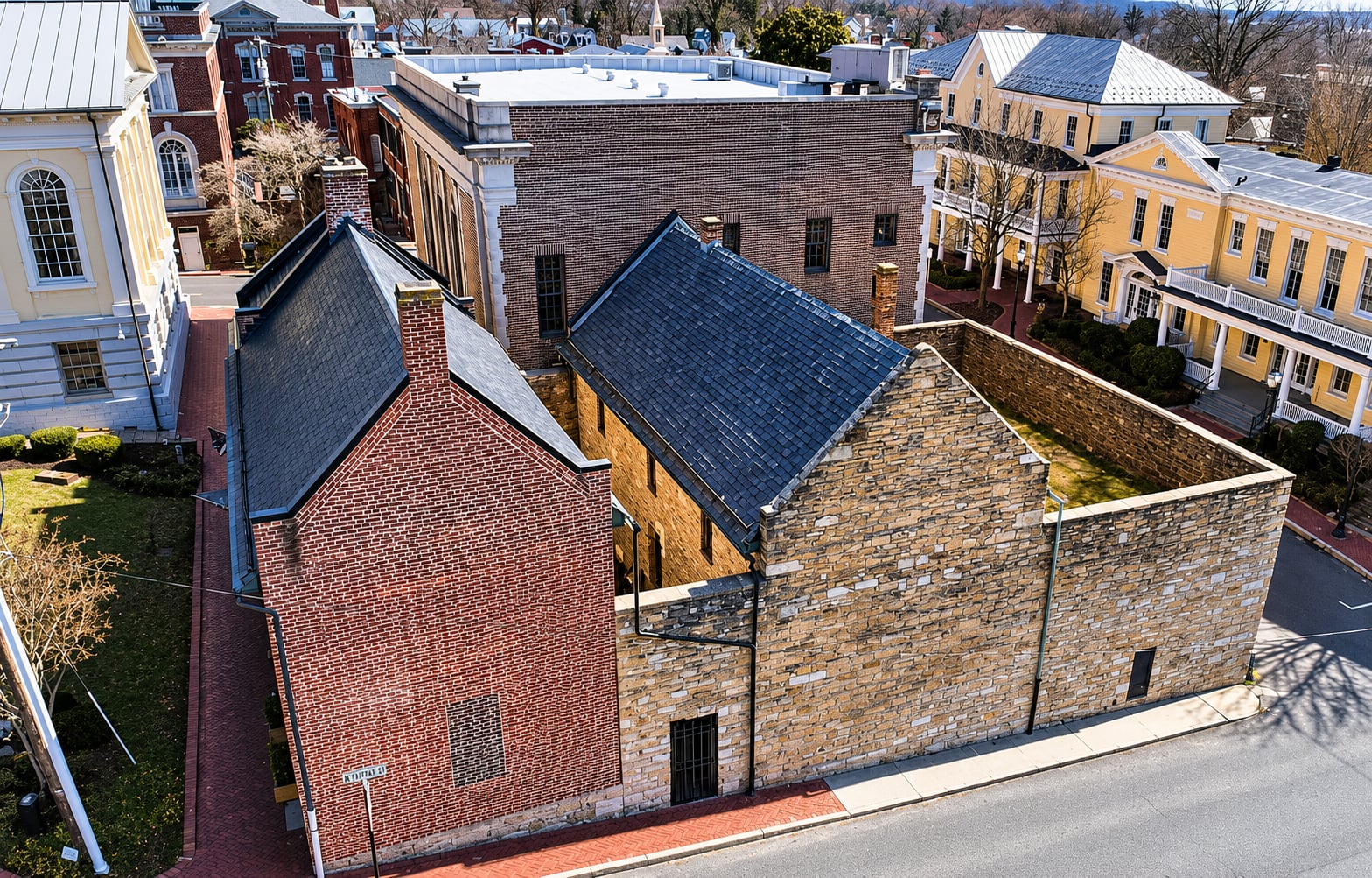
A jailer and his family lived in the attached house, added in 1839, sharing the building with the people confined a few feet away. That arrangement, common in the period, is preserved in the museum's interpretation of both the keepers and the kept.
The cell walls hold a remarkable record of the people who passed through: a detailed drawing of a sailing ship, a navigational map of the world, a cartoon soldier, fragments of poetry, and names and dates scratched into the granite more than a century ago. The Lincoln County Historical Association now operates the jail as a museum, open seasonally with docent-led tours.
Sources
- https://www.lincolncountyhistory.org/visit/museums/wiscasset-old-jail/
- https://wjbq.com/prisoner-artwork-in-the-cells-of-an-1800s-jail-in-wiscasset-maine-will-give-you-the-creeps/
- https://www.maine.gov/mhpc/did-you-know/wiscasset-jail-1811-wiscasset-lincoln-county
Reported spirits in the cellblockOppressive atmosphereCold spots
Unlike Wiscasset's mansions, the Old Jail's reputation comes mostly from the building. The cells are small and cold, the granite is heavy, and one solitary cell has no window at all. Standing among them, with prisoners' own drawings and scratched names on the walls, is enough to unsettle many visitors without any ghost story attached.
The Lincoln County Historical Association notes that people who tour the jail like to whisper stories of ghosts and spirits wandering the halls, and that the cells and barred doors make those stories easy to believe. Regional coverage of the cell graffiti has framed the place in similar terms, calling the artwork eerie and the building one of Maine's creepier historic sites.
The accounts are atmospheric rather than specific. There is no widely repeated named spirit or signature phenomenon here, in contrast to the town's haunted houses. What the jail offers is the weight of a real place of confinement, preserved largely as it was, where the record of the people held inside is still on the walls.