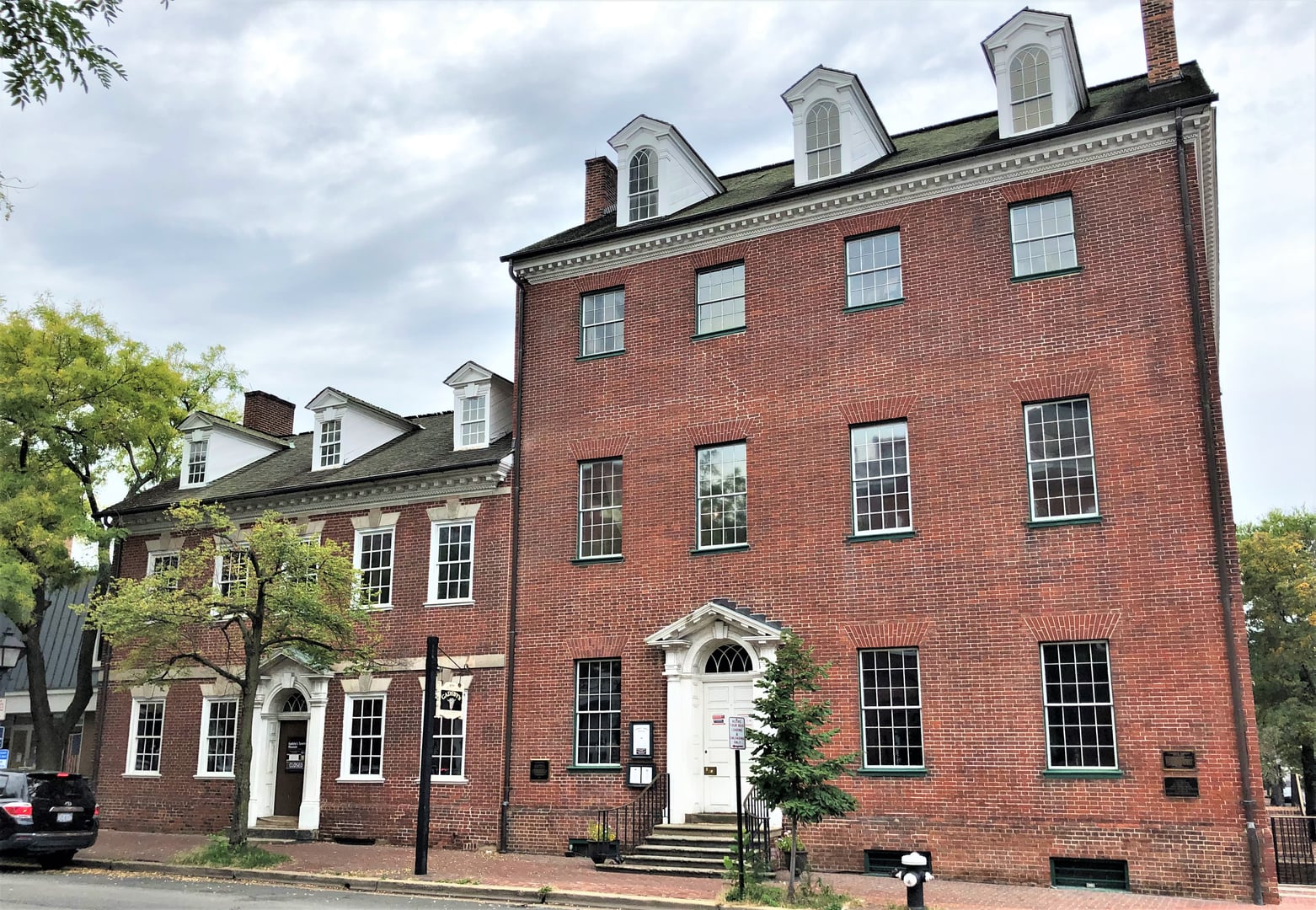
Est. 1780 · Named for Dr. Joseph Warren, Killed at Bunker Hill June 17, 1775 · One of First Buildings Rebuilt After 1775 Charlestown Burning · George Washington and Paul Revere Among Early Patrons · Oldest Operating Tavern in Massachusetts · Steps off the Freedom Trail, near the Bunker Hill Monument
The Battle of Bunker Hill on June 17, 1775, ended with British forces burning Charlestown to the ground — approximately 500 buildings destroyed. The reconstruction of the town began in the years following the British evacuation of Boston in March 1776, and Warren Tavern was among the earliest new constructions.
The tavern opened in 1780 and was named for Dr. Joseph Warren (1741-1775), a Boston physician who had become one of the most influential figures in the early revolutionary movement. Warren was a member of the Sons of Liberty, served on the Committee of Safety, and was the official who dispatched both Paul Revere and William Dawes on April 18, 1775, to warn the countryside of the British advance on Lexington and Concord. Warren had been commissioned as a Major General by the Massachusetts Provincial Congress but chose to fight as a volunteer at Bunker Hill on June 17, 1775. He was killed near the end of the battle by a musket ball to the head. British officers subsequently mutilated his body; he was buried in a shallow grave and later reinterred with full honors.
George Washington visited the tavern, as did Paul Revere, who was a close personal friend of Warren's. The building stands as one of the oldest tavern structures in Massachusetts.
Warren Tavern stands steps off the Freedom Trail, near the Bunker Hill Monument, and remains an operating restaurant and bar, managed as a historic Charlestown institution.
Sources
- https://en.wikipedia.org/wiki/Warren_Tavern
- https://www.warrentavern.com/history/
- https://ghostcitytours.com/boston/haunted-boston/warren-tavern/
Heavy footsteps from empty rooms upstairsShadow woman in black near back of buildingColonial-attire figure on upper floor and near staircase
Warren Tavern's haunting lore centers on three reported figures, documented by Ghost City Tours Boston among other sources. The most prominent is a colonial-dressed man seen briefly in the upper dining room and near the staircase. Tradition associates him with Dr. Joseph Warren — the tavern's namesake and a figure whose violent death at Bunker Hill, followed by deliberate mutilation of his body by British officers, gives the site a specific emotional resonance that local storytellers have built around.
A woman in black is described in separate accounts, appearing near the back of the building, and is not connected to any named historical figure in the sources reviewed. She is typically described as watchful and unmoving rather than active.
Heavy footsteps from empty upstairs rooms are the most commonly reported phenomenon — the kind of acoustic report that historic buildings generate with some frequency, but which in Warren Tavern's case is consistently noted by staff who know the building well.
The building's historic status, its proximity to Bunker Hill and the Freedom Trail, and its founding associations make it a natural addition to Boston's well-developed ghost tour ecosystem. Ghost City Tours has documented these accounts in published form across multiple seasonal tour iterations.
We treat the colonial-attire figure as folklore rather than identification. Joseph Warren's connection to this specific building is real and documented; the haunting attribution is traditional rather than evidenced.
Notable Entities
Colonial-attire figure attributed to Dr. Joseph Warren (folkloric)
Where this legend is told